Why Fire Ant Mounds Can Turn An Alabama Yard Into Trouble For Curious Dogs
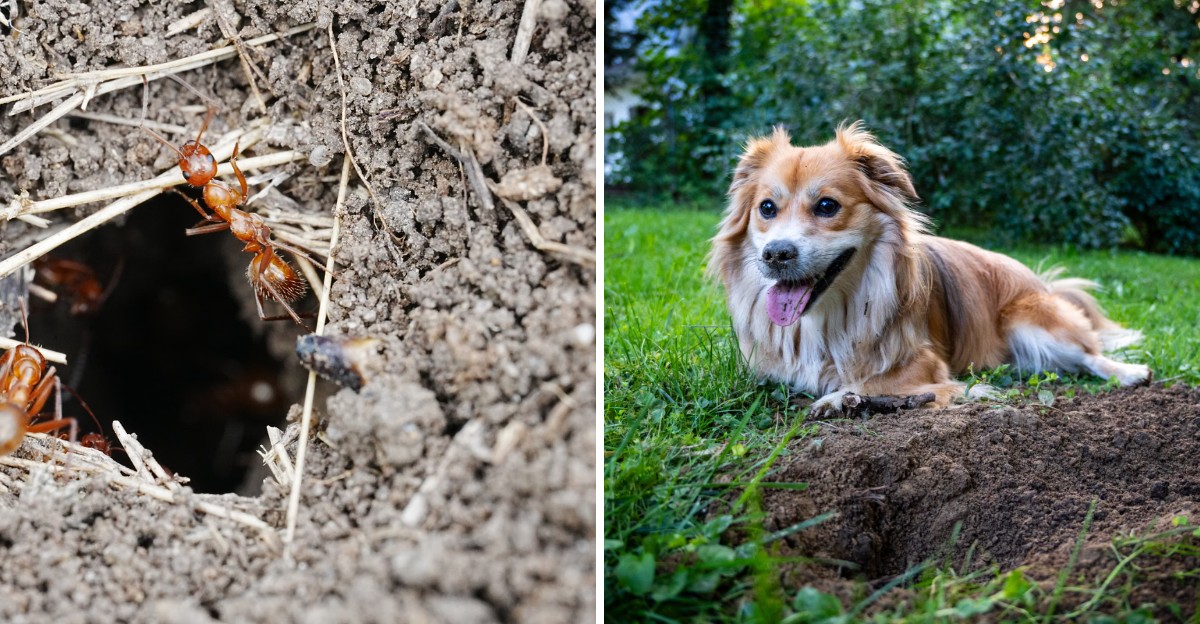
Your Alabama yard may be your dog’s favorite place to sniff, stretch, and explore. A fire ant mound can blend into that familiar space, especially after rain or beneath thick grass.
Knowing what to watch for helps you prevent painful encounters without making outdoor time feel stressful. From spotting fresh soil to recognizing symptoms, a few practical habits can help you protect your dog and enjoy the yard together.
1. Low Mounds Are Easy for Curious Dogs to Miss
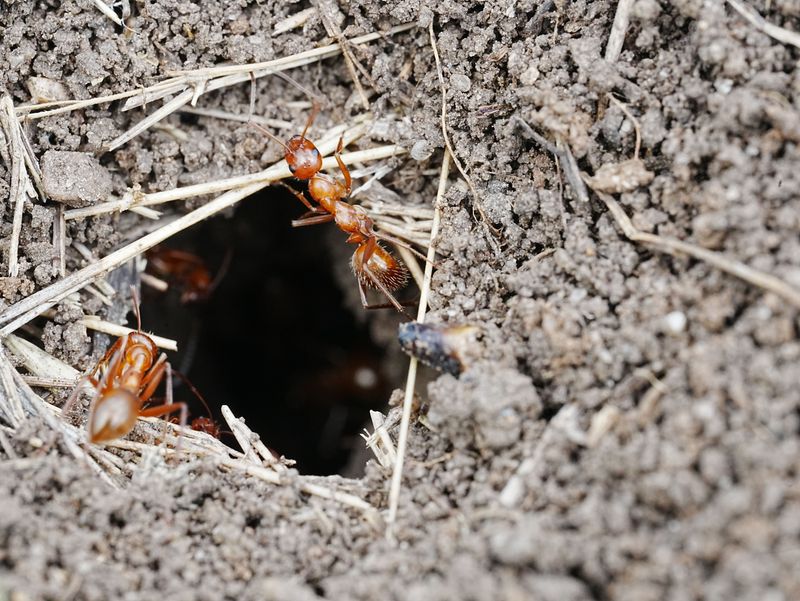
A nose following an interesting scent rarely pauses to study the ground ahead. Small fire ant colonies may produce low mounds that blend into grass, leaves, or uneven soil.
Some nests have little visible surface buildup at all.
Keep your dog close when exploring unfamiliar patches of lawn. Look beyond obvious dirt piles, especially beside paths and planting beds.
A clear walking route helps you notice changes before your dog steps into a busy nest.
2. Disturbed Nests Bring Ants to the Surface
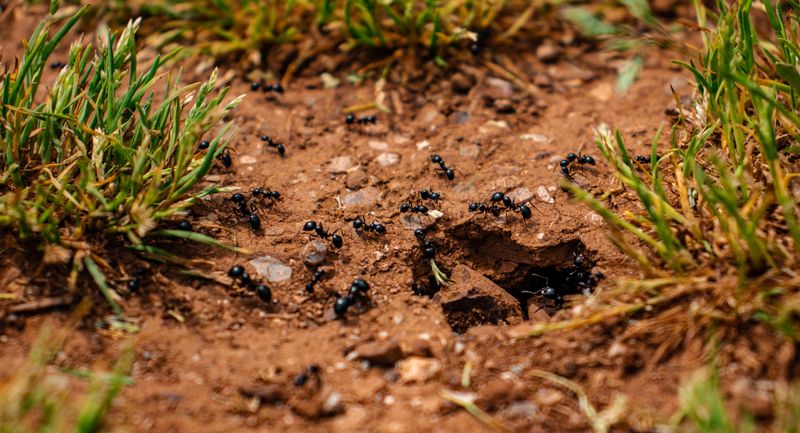
One misplaced paw can send vibrations through an underground colony. Fire ants respond to disturbance by moving quickly toward the surface and onto nearby objects.
A sniffing muzzle or planted foot can become their next climbing route.
Never poke a mound to demonstrate its activity while your dog watches nearby. Instead, move away and mark the location from a safe distance.
Keep children and other pets away until you have arranged an appropriate control plan.
3. Several Stings Can Happen Within Seconds
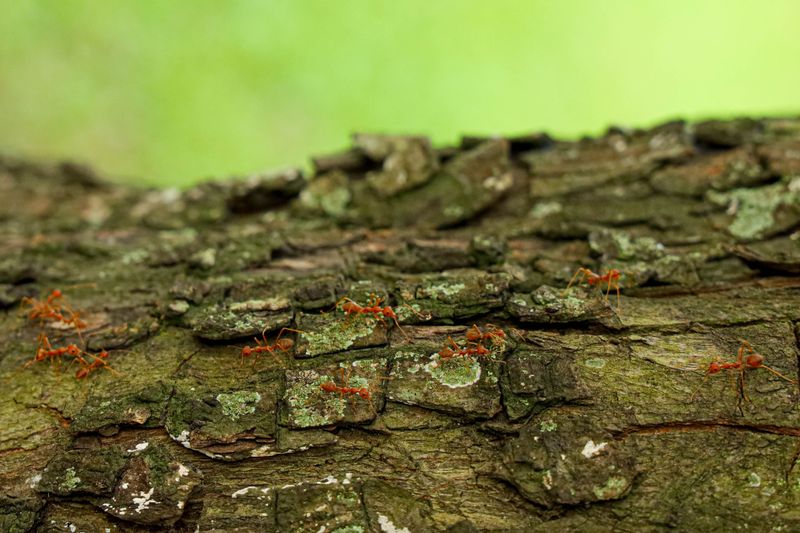
Speed explains why a brief encounter can leave several sore spots. Many ants may climb onto a dog before the first sting causes a noticeable reaction.
Each ant can grip with its jaws and sting repeatedly.
Do not wait for yelping before moving your dog away from suspicious soil. Prompt separation limits further contact, although it cannot undo earlier stings.
Once clear, check the coat carefully because ants may remain hidden against your dog’s skin.
4. Sunny Lawn Edges Deserve a Closer Look

Open, sunny ground often suits imported fire ants, which are widespread across Alabama. Mounds can appear in lawns, beside sidewalks, around fence lines, and near planting beds.
Colonies may also nest beneath objects or pavement.
Pay attention to places your dog visits repeatedly, including gates and favorite bathroom spots. Check around water bowls without assuming damp ground always contains ants.
Local Alabama Cooperative Extension staff can help explain nesting patterns and control options for your area.
5. Fresh Soil After Rain Calls for Another Check
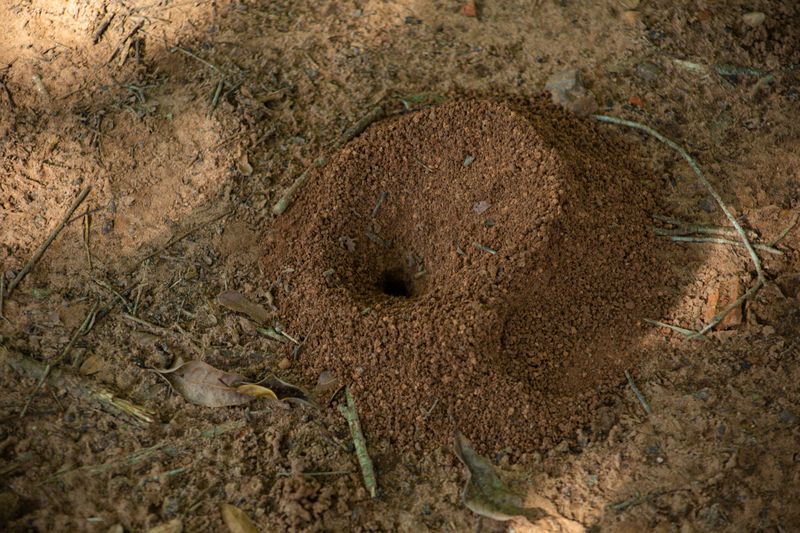
Yesterday’s familiar lawn may look different after an Alabama rainstorm. Fire ant mounds can become more noticeable after rain, and colonies may relocate or adjust their nest structure in response to changing soil conditions.
Fresh, loose dirt can make a previously unnoticed colony easier to spot.
Walk the yard without your dog before returning to normal play after heavy rain. Avoid flooded areas where displaced ants may gather or float together.
Photograph new mounds from a distance, then plan treatment when weather and product directions allow it.
6. Loose Soil Offers Clues, Not Certain Identification

A crumbly pile without an obvious central opening can suggest a fire ant nest. Shape and size vary with soil, weather, and colony activity.
Other ants and burrowing animals also move dirt, so appearance alone cannot confirm identification.
Take clear pictures without touching the mound or standing over it. Ask your county Extension office for identification help when uncertain.
Avoid testing the nest with your shoe, since disturbance can bring ants onto nearby feet quickly.
7. Canine Curiosity Puts Sensitive Skin Within Reach
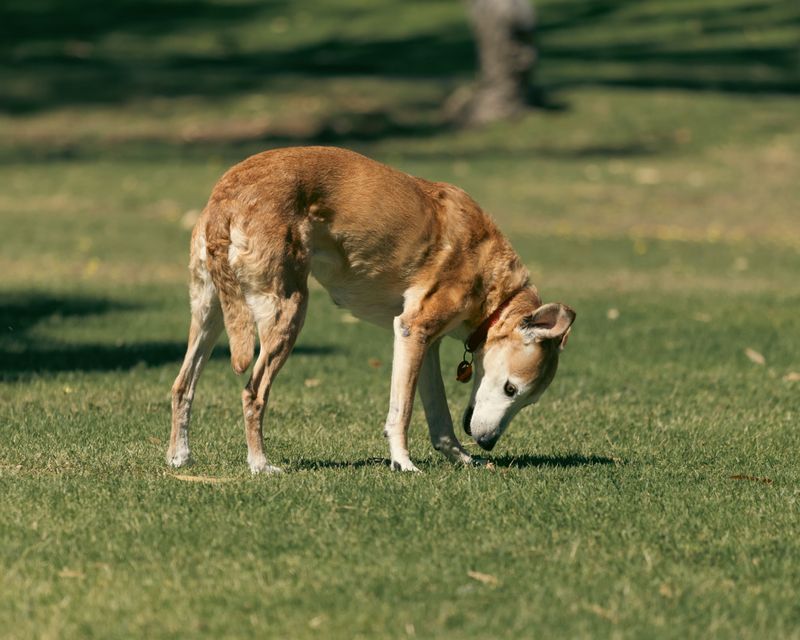
Sniffing, rolling, and lying on warm grass bring dogs close to nesting sites. Fur does not provide dependable protection because ants can crawl beneath it.
Puppies and dogs with limited mobility may struggle to leave the area quickly.
Give slower dogs extra supervision and choose resting spots you have already checked. Keep outdoor bedding away from known colonies.
Teaching a cheerful recall helps, but physical separation remains more reliable when a mound is close by.
8. Small Skin Bumps Can Become Quite Uncomfortable
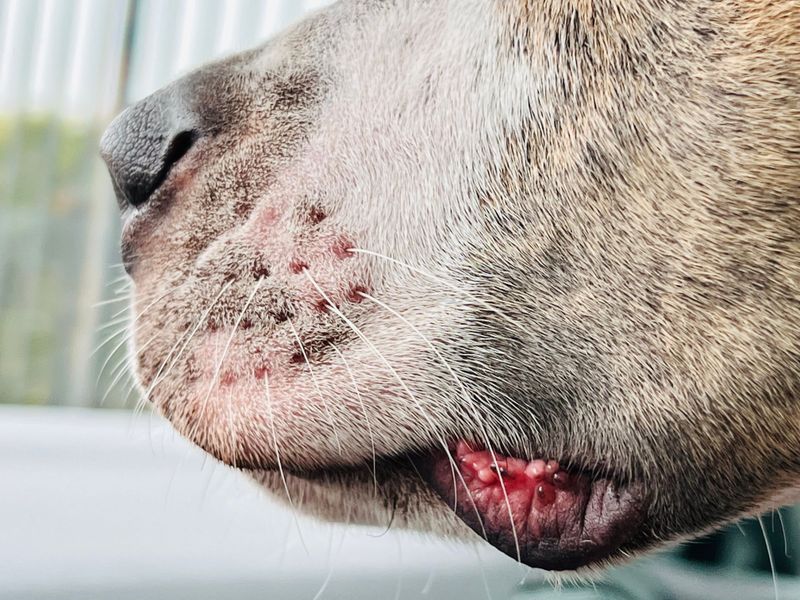
Redness, swelling, and soreness can develop where fire ants sting. Small, pale bumps may appear later, although reactions vary between dogs.
Licking and scratching can irritate the area further and increase the chance of infection.
Do not squeeze bumps or open their surfaces. Photograph changes and ask your veterinarian how to manage discomfort safely.
Report spreading redness, discharge, or worsening tenderness promptly. Similar skin problems have other causes, so avoid diagnosing every bump as a sting.
9. Paws, Muzzles, and Bellies Need Extra Attention
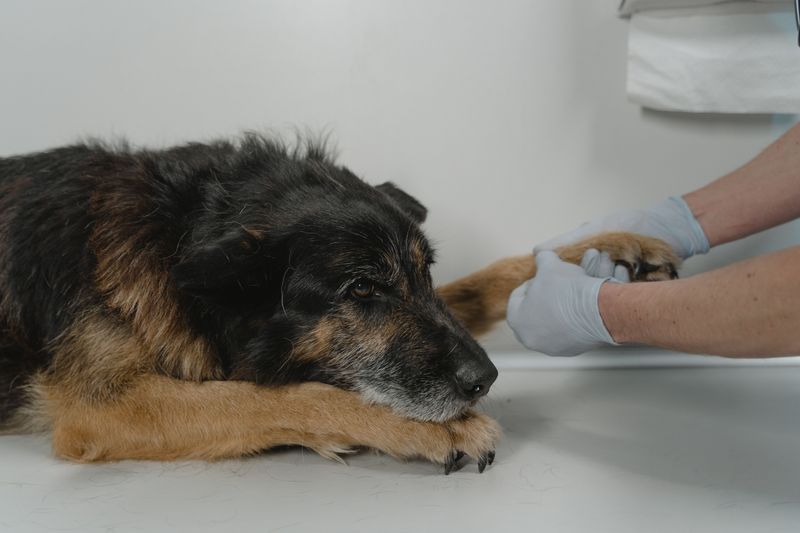
Check the places closest to the ground after a suspected encounter. Ants may gather between toes, around paw pads, beneath the belly, or near the muzzle.
Thinly covered skin can make swelling easier to notice.
Look gently without forcing open a painful mouth or handling a distressed dog roughly. Eye exposure, mouth swelling, or trouble swallowing needs prompt veterinary guidance.
If your dog resists inspection, stop and call the clinic for safer next steps right away.
10. Sudden Paw Licking May Be Your First Clue
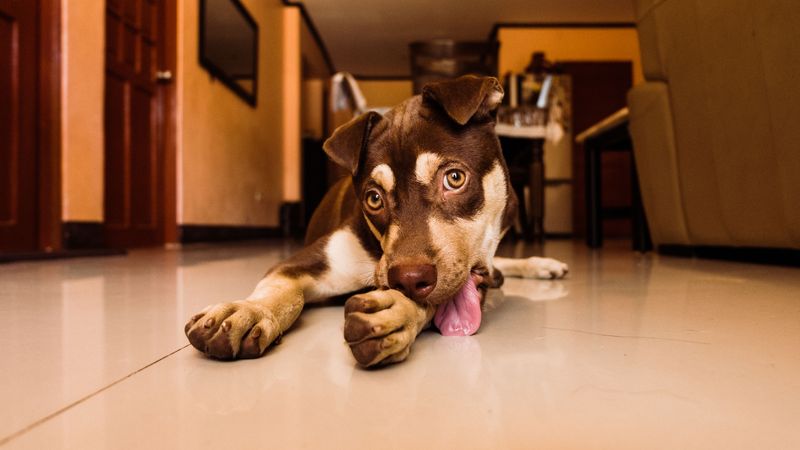
An abrupt change during yard time deserves a closer look. A dog may lift a foot, lick repeatedly, shake its head, or suddenly leave one patch of grass.
Whining, restlessness, and visible ants offer additional clues.
Move to clear ground before checking what happened. Watch for swelling and changes in breathing or energy, not just skin marks.
Symptoms alone cannot prove fire ants were involved, so share the setting and timing when contacting your veterinarian.
11. Breathing Changes Mean Emergency Veterinary Care
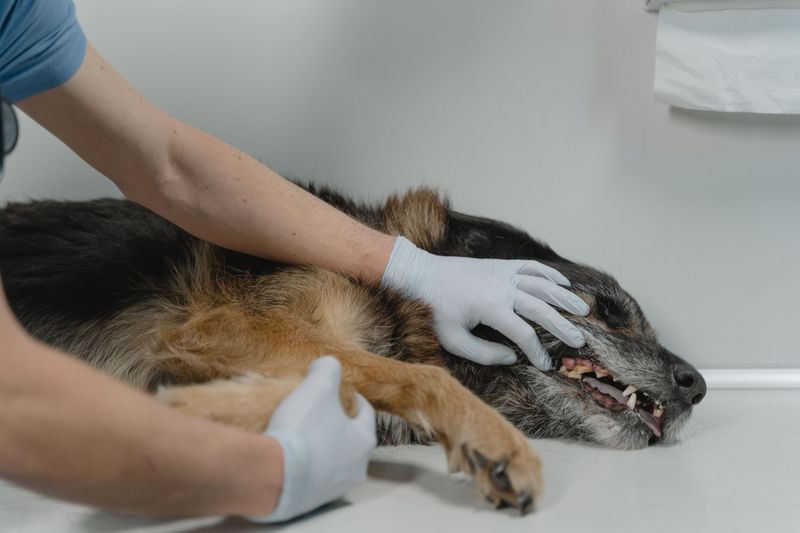
Trouble breathing, collapse, or rapidly increasing facial swelling requires immediate emergency veterinary care. Repeated vomiting, marked weakness, or pale gums can also signal a serious reaction.
Do not wait for every symptom to appear.
Call the emergency clinic while arranging transport, and follow its instructions. Extensive exposure warrants prompt veterinary advice even when your dog initially seems comfortable.
Reactions can change after the encounter, so continue observing closely and never delay travel to try home treatments.
12. Move Away First, Then Remove Remaining Ants
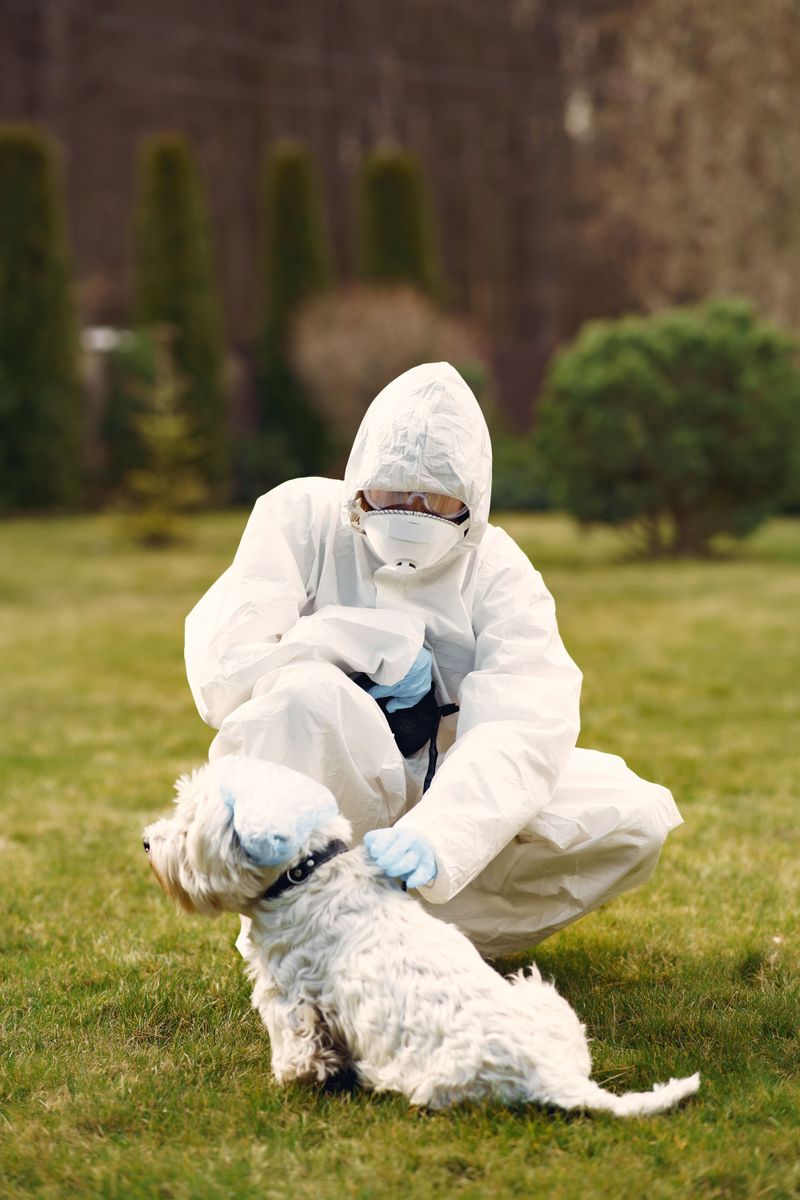
Lead your dog away from the nest onto clear pavement or another checked surface. Protect your hands with gloves, then carefully brush visible ants off using a dry cloth.
Avoid crushing ants against the skin.
Do not rely on hosing alone, since attached ants may remain in place. Keep ants off your own clothing while working.
Contact your veterinarian for advice based on symptoms and exposure. Breathing problems or sudden weakness mean seeking emergency care immediately.
13. Kitchen Remedies Cannot Replace Veterinary Advice
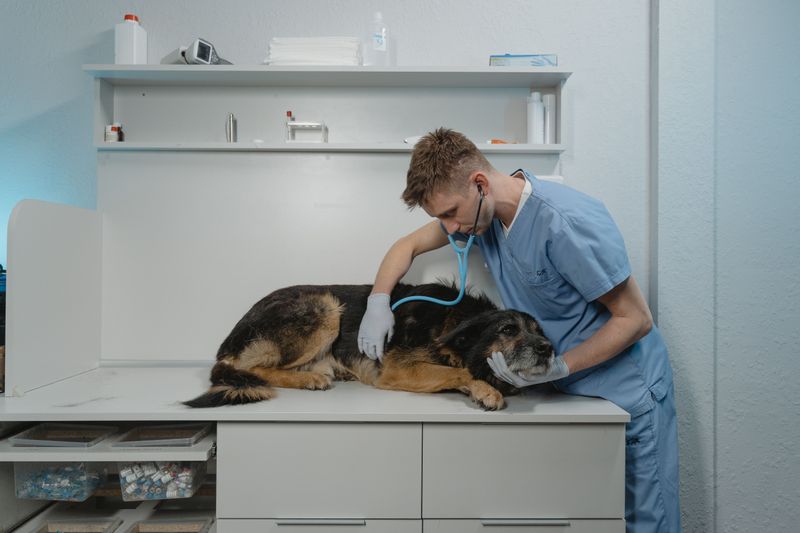
A familiar kitchen ingredient is not automatically safe for irritated canine skin. Essential oils, cleaners, and homemade mixtures can cause irritation or create problems when licked.
Human pain medicines may also be dangerous for dogs.
Ask your veterinarian before applying creams or giving any medication, including antihistamines. Appropriate choices depend on your dog’s health, weight, and symptoms.
If you already used a product, save its packaging and tell the clinic exactly what your dog received today.
14. Treatment Areas Need a Real Barrier
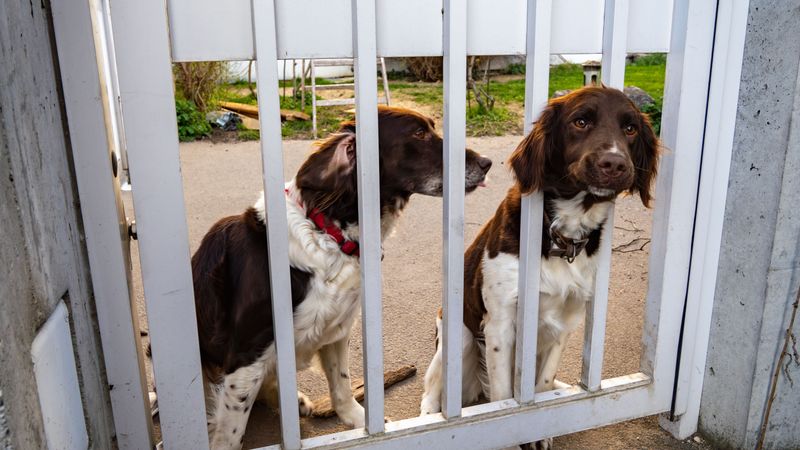
A warning flag helps people notice a mound, but it cannot stop a curious dog. Use a secure barrier or keep your pet indoors while treatment is applied.
Offer bathroom breaks in a separate, checked location.
Follow the product label for keeping pets away and allowing reentry. Some directions depend on drying, watering, or other conditions rather than a universal waiting period.
Ask the applicator for written instructions, and maintain separation until every requirement is met.
15. Baits and Yard Products Require Label-Level Care
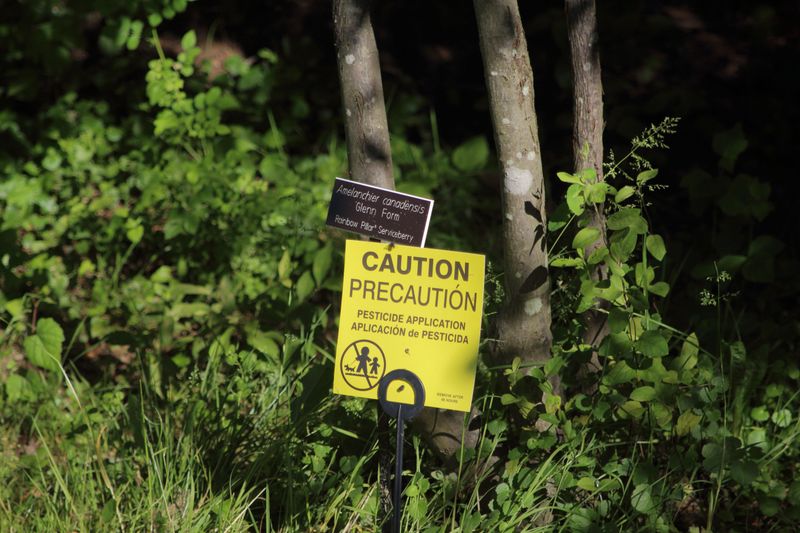
Fire ant bait is still a pesticide, even when scattered in tiny amounts. Dogs may investigate granules, containers, or treated soil.
Select products labeled for the intended site and follow every application and storage direction.
Never apply yard insecticide directly to your dog. Store supplies securely in original containers, away from food and pet items.
Suspected ingestion calls for immediate veterinary or animal poison control advice. Keep the label available to identify ingredients and explain exposure.
16. A Brief Yard Scan Builds a Useful Habit
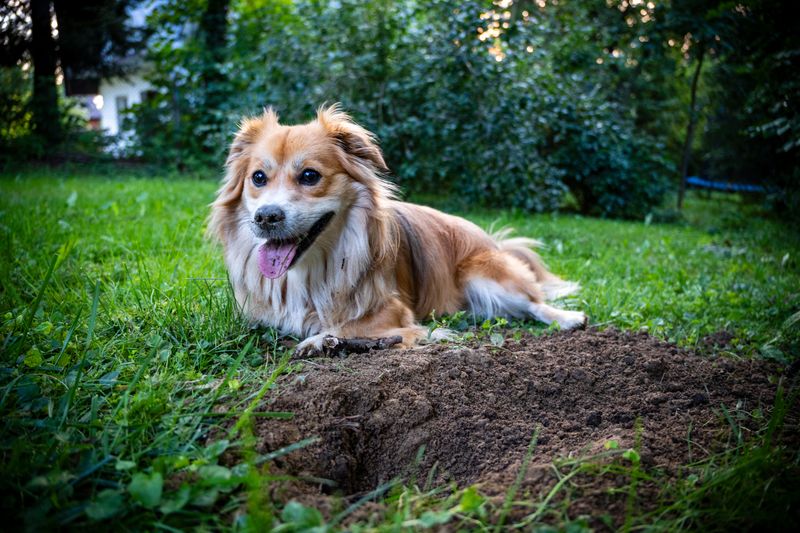
Before opening the door, spend a moment looking over your dog’s usual outdoor route. Scan lawn edges, resting areas, and spots where new soil has appeared.
Move toys only after checking the ground around them.
Repeat your inspection after rain, mowing, or landscaping work. Keep a simple note of mound locations and treatment dates to track changes.
Regular checks cannot guarantee an ant-free yard, but they make surprises less likely and support earlier, more targeted action.
17. Digging and Solo Yard Time Can Increase Exposure
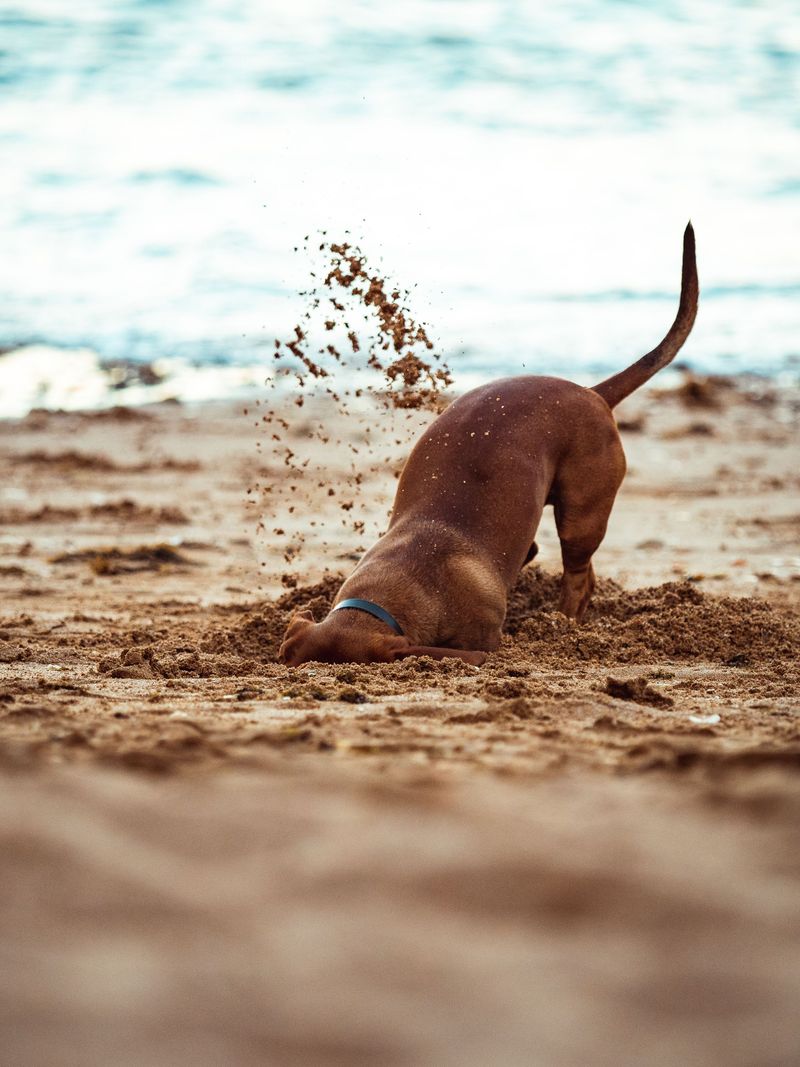
Busy paws can uncover trouble that was hidden beneath the surface. Digging may disturb a colony before a mound looks obvious.
A dog left alone may continue investigating without anyone noticing the first signs of discomfort.
Supervise outdoor time, especially where ants have appeared before. Redirect digging toward a designated area that you inspect regularly.
Reward your dog for leaving suspicious patches when called. Short, watched outings are a sensible choice while managing an active infestation.
18. Shared and Rental Yards Call for Clear Communication

Apartment lawns and rental yards need cooperation, not guesswork. Report suspected mounds to the property manager with photographs and locations.
Ask who handles treatment and how residents will receive pet safety instructions.
Responsibilities vary with lease terms and local rules, so confirm arrangements before applying pesticides yourself. Choose another walking spot until treated areas meet label reentry requirements.
A quick check, a little distance, and a clear plan help keep outdoor time comfortable for your dog.