Why Kansas Lake Advisories Matter Before Your Dog Goes Swimming
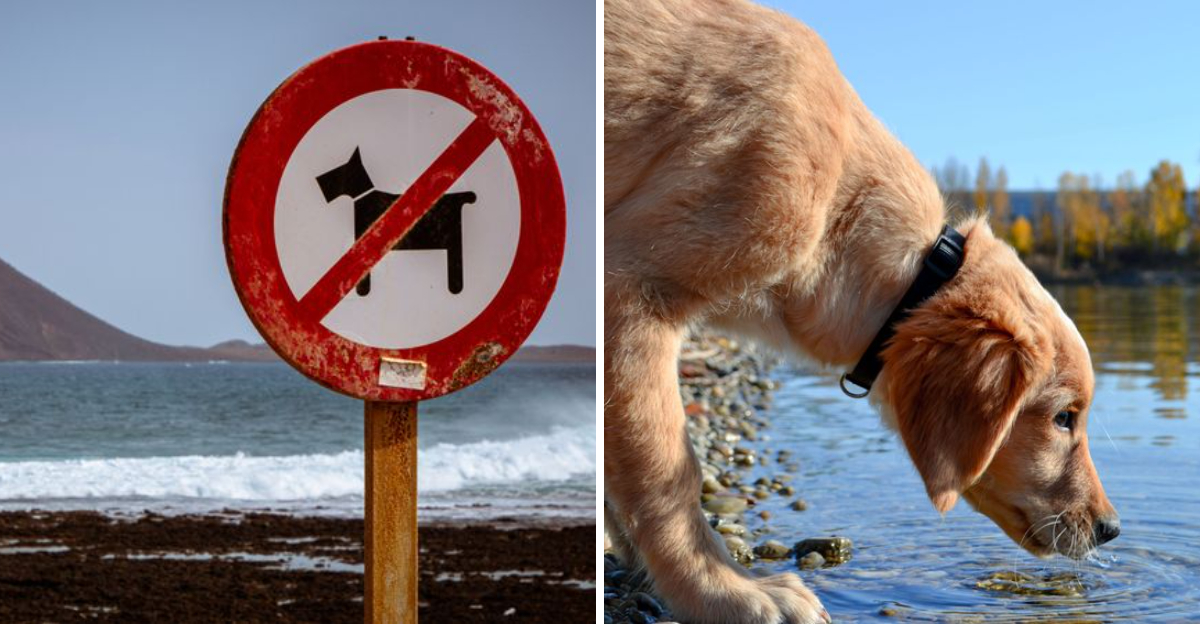
A summer afternoon at a Kansas lake feels like the perfect reward for a water-loving dog. Before those paws hit the shoreline, though, it helps to know what the state’s lake advisories actually mean.
The Kansas Department of Health and Environment posts Watch, Warning, and Hazard notices when harmful algal blooms show up. Reading them takes about a minute, and it can save you a stressful trip to the vet.
Here is what every local dog owner should understand.
1. Swimming puts your dog in full contact with the bloom
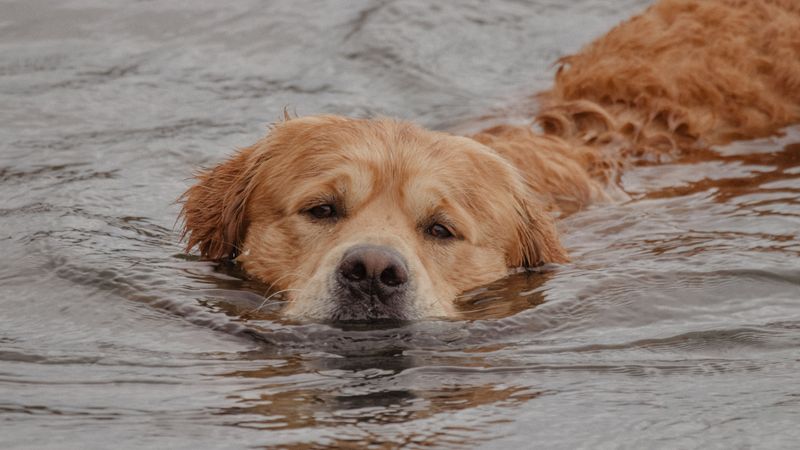
Full-body immersion is the most complete kind of exposure a dog can have. Swimming through a bloom means water against skin, eyes, nose, and mouth all at once.
Toxins do not need a wound or a cut to cause trouble. Ordinary swimming behavior is enough.
If a lake is under advisory, dry-land games work just as well. Most dogs are happy with a long walk and a tennis ball.
2. Grooming after a swim brings toxins straight to the mouth

Here is the part owners rarely think about. A dog that leaves the water immediately starts licking its coat and paws clean.
Anything clinging to that fur travels right into the mouth. Pets have become ill this way even after brief contact with affected water.
That is why rinsing quickly matters so much. Blocking the licking habit in those first minutes removes a major route of exposure.
3. An advisory is a direct message about your dog’s safety

Kansas posts advisories for a reason, and pets are specifically part of that reason. When KDHE issues a Watch, Warning, or Hazard for a lake, the notice covers animals as well as people.
Dogs are often more exposed than we are. They wade, drink, and roll without hesitation.
Checking the advisory list before loading up the car is a small habit that pays off every single summer.
4. Crusty dried algae on the bank still holds risk
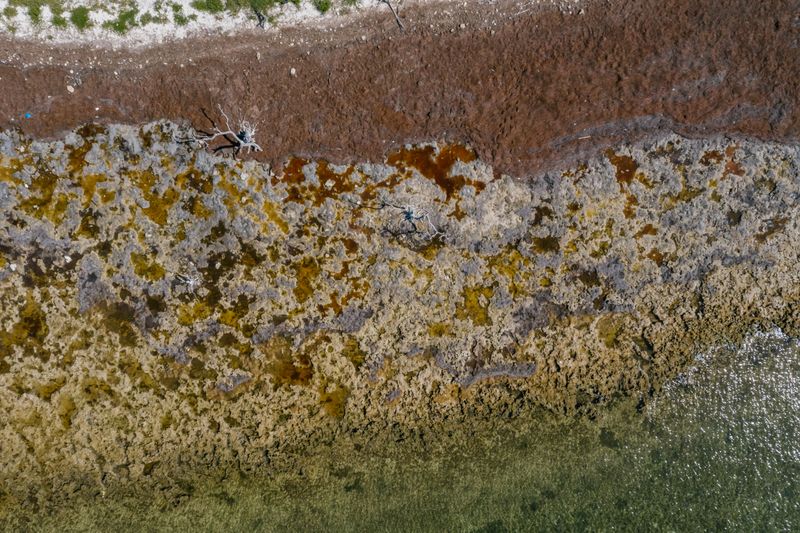
Blooms do not vanish when they wash ashore and dry out. Flaky green or blue-green crusts along the bank can still make a dog sick if eaten.
Some dogs are drawn to odd shoreline finds, and dried mats fall into that category.
Keeping a leash on near the water’s edge gives you the control to steer around anything questionable before curiosity wins.
5. Breezy days can carry contaminated spray

Wind, boat wakes, and splashing all put water droplets into the air. Those aerosols can carry algal toxins, and dogs breathe them in without any swimming involved.
Dogs on docks, in boats, or running the shoreline may get exposure this way.
On gusty days at an advisory lake, moving your outing inland is the simplest fix. Distance from the water reduces what your dog inhales.
6. Lake water your dog drinks can carry toxins
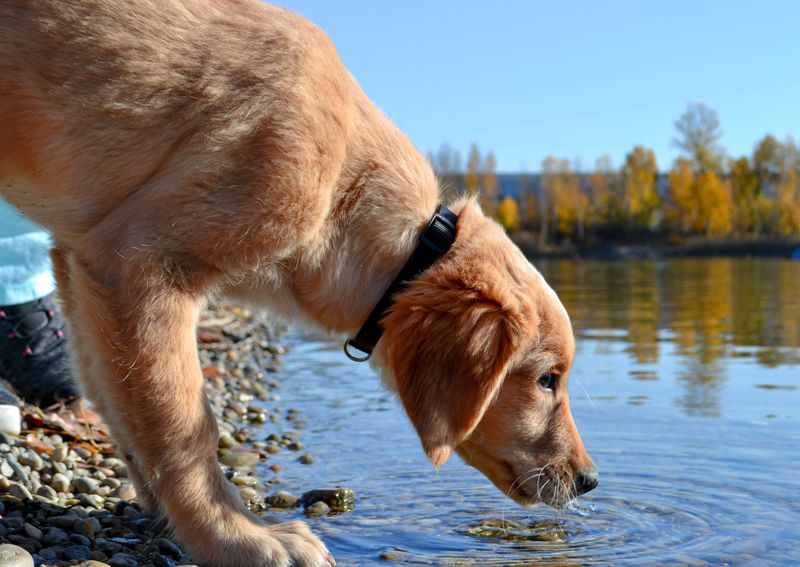
Most dogs treat a lake like an enormous water bowl. That instinct becomes a problem when harmful algal toxins are present in the water.
Even a modest amount of contaminated water can be highly toxic to a dog. Size matters too, since smaller dogs take in more toxin per pound.
Bringing a jug of clean water and a collapsible bowl gives your dog a safer option to choose.
7. Skin reactions show up after contact alone

Not every effect involves swallowing anything. Direct skin contact with a harmful bloom can bring on rashes, redness, itching, and irritation.
Thin-coated bellies, muzzles, and ears tend to react first. The discomfort is usually manageable, but it can persist without care.
If your dog starts scratching or looks red after a lake day, mention the water exposure when you call your veterinarian. That detail speeds up the conversation.
8. Kansas has confirmed cases involving pets

State veterinarians in Kansas have confirmed cases where harmful algal bloom toxins caused pets to be lost. Those confirmations are why the advisory system exists in its current form.
The point is not to frighten anyone away from lakes. Kansas water recreation with dogs happens safely all the time.
Knowing the risk is real, though, makes checking a posted advisory feel worth the effort.
9. Signs may appear within minutes, not days

Speed is one thing that surprises people most. Symptoms of algal toxin exposure can begin within fifteen minutes to a few hours.
Because of that, watchfulness right after a swim matters more than watchfulness the next morning. Vomiting, weakness, stumbling, drooling, or tremors all warrant an immediate call.
Save your veterinarian’s number and the nearest emergency clinic in your phone before the trip. Preparation beats scrambling.
10. Different toxins target different parts of the body
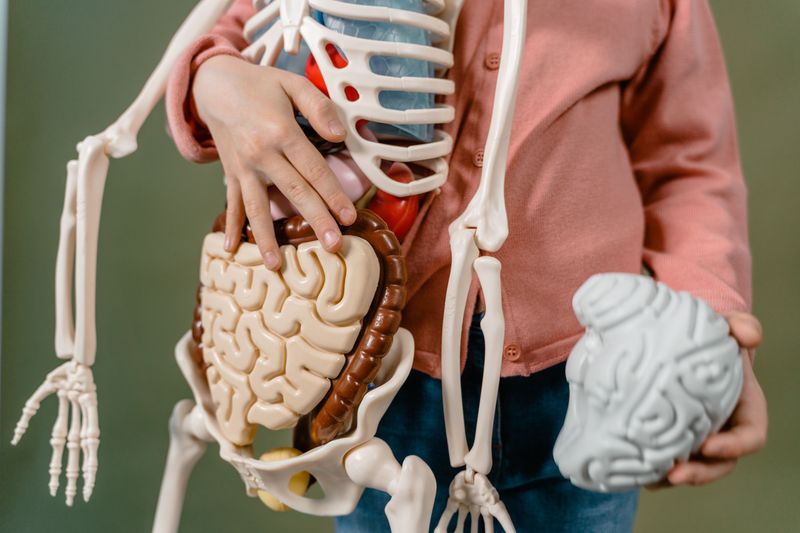
Two toxin families come up most often in Kansas discussions. Microcystins act on the liver, while anatoxins affect the nervous system.
Others can irritate the skin or digestive tract. Because the effects vary, symptoms vary too.
A dog might show stomach upset, unusual tiredness, wobbliness, or skin trouble. Any of those after a lake visit deserves a professional opinion rather than a wait-and-see approach at home.
11. Treatment is supportive, because no antidote exists

There is currently no specific antidote for the toxins produced by harmful algal blooms. Veterinary care focuses on supportive treatment such as fluids and monitoring.
Prevention therefore carries most of the weight. Avoiding exposure is genuinely the strongest tool available.
Rapid action helps too. Getting your dog to a clinic quickly gives the veterinary team the best possible starting point for supportive care.
12. A Watch status is not a green light

Watch is the mildest of the three Kansas advisory levels, and that leads some owners to relax too much. It means blooms have been detected or are likely to form.
Water may still be unsafe for people and animals, and KDHE advises avoiding areas where algae accumulate.
With a dog along, treating a Watch conservatively makes sense. Dogs cannot judge which cove looks suspicious.
13. Warning status means keep paws out of the water

When a lake moves to Warning, the guidance becomes much firmer. A harmful bloom is present or expected, and conditions are considered unsafe for people and pets.
All contact with the water should be avoided, including wading and shoreline splashing.
Plenty of Kansas lakes stay clear during the same period. Checking the current advisory list and picking a different destination keeps the day fun without the gamble.
14. Hazard advisories can close access entirely
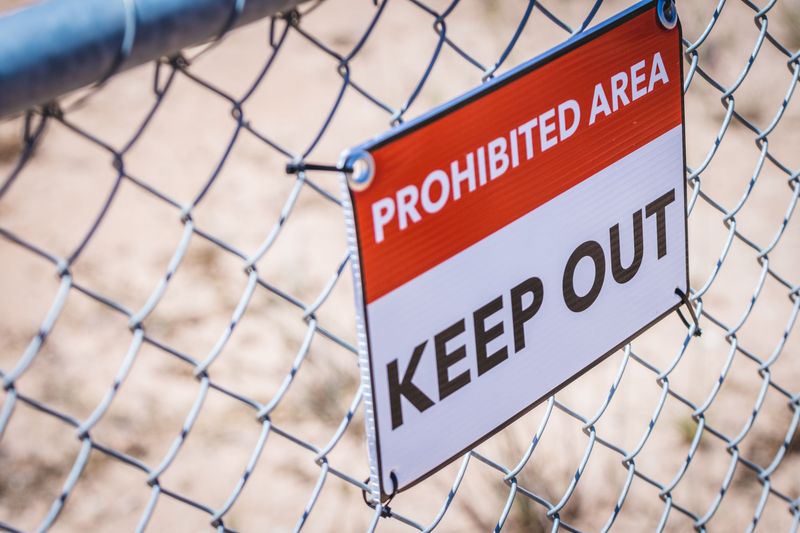
Hazard is the most serious designation, reserved for extreme bloom conditions. KDHE recommends signage at public access points and may recommend closing part or all of a lake.
Adjacent land can be included in those closures. Respecting a closure protects your dog and keeps you on the right side of park rules.
Specific closure decisions can vary by managing agency, so confirm with the park office if you are unsure.
15. Conditions shift faster than posted updates

Blooms are famously unpredictable. Wind and currents can push a bloom across a lake within hours, concentrating it in one cove while another looks fine.
An advisory posted midweek may not reflect what you find on Saturday.
Use the advisory as your starting information, then use your own eyes at the shoreline. If a spot looks off, walk to a different area or skip swimming altogether.
16. Blooms come in more colors than you might expect

Forget the idea that dangerous algae always looks like green paint. Blooms can resemble foam, scum, or spilled paint, and colors range from bright green to blue-green, brown, olive, red, or pink.
Nobody can confirm toxicity by looking. Laboratory testing is the only way to know.
Given that, treating every visible bloom as unsafe for your dog is the practical rule. Guessing wrong carries too much cost.
17. Clear-looking water can still hide algal mats

Harmful algal mats grow attached to lake bottoms, rocks, and submerged wood. They are a separate concern from surface blooms.
Because mats sit below the waterline, the lake overhead can look perfectly clear and inviting. Pieces sometimes break loose and drift to shore.
Dogs that fetch from shallow rocky areas may encounter them. Watching for loose clumps near the bank is worth the extra glance.
18. A fresh water rinse is your best after-swim habit

Keep a jug of clean water in the vehicle and you will always be ready. If your dog contacts suspected algae, rinse thoroughly and right away.
Pay attention to paws, belly, and muzzle where residue lingers. Prevent licking during and after the rinse.
Then watch your dog closely and call your veterinarian with any concerns. A little water, a towel, and quick action go a long way.
Enjoy the lake, check the advisory, and head out with confidence.