15 Dog-Owner Habits That Shift When An Ohio Household Trades City Streets For Acreage
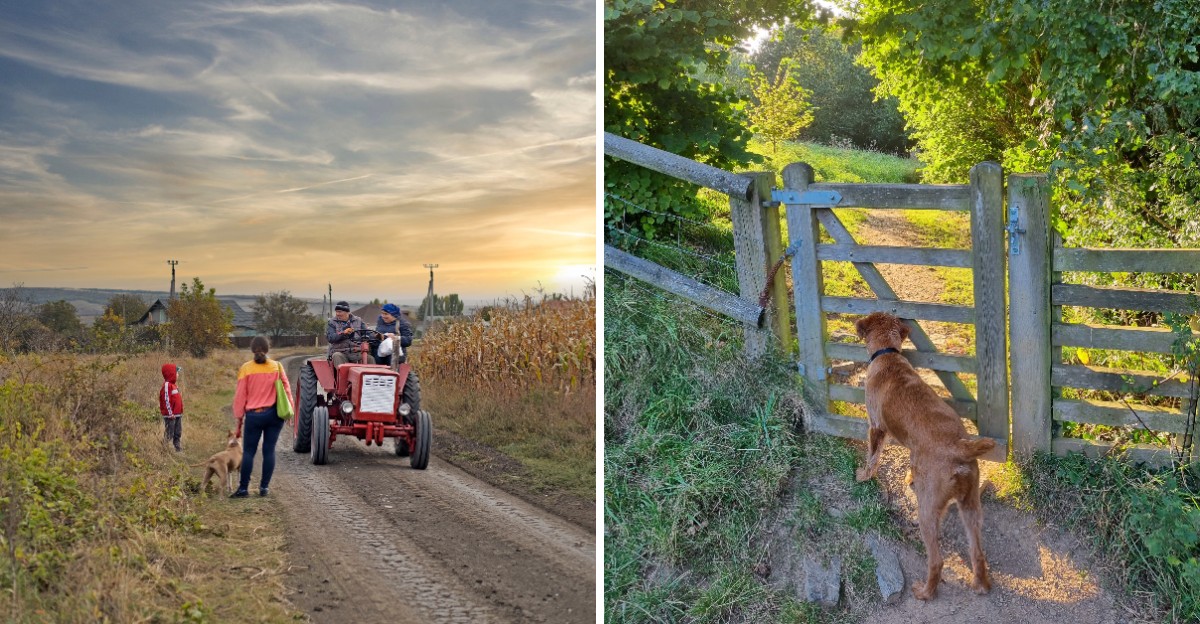
Moving from an Ohio neighborhood to a home with acreage changes more than your dog’s view. Familiar sidewalk trips become muddy walks, wildlife lessons, and new choices about outdoor freedom.
A little planning helps you enjoy that extra space while keeping daily life comfortable and safe. From checking fence lines to finding nearby veterinary care, these everyday habits help you and your dog settle into country living.
1. Establishing a New Daily Walking Routine
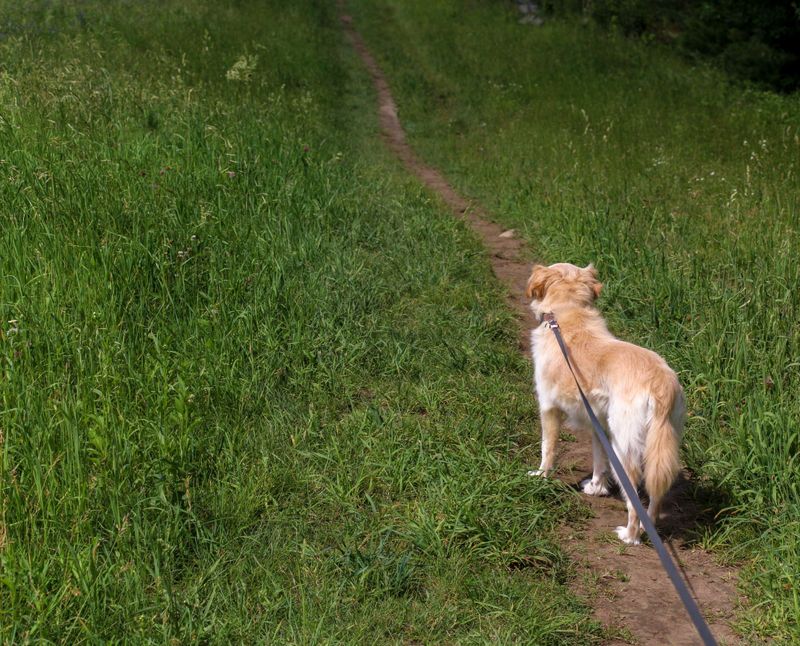
A bigger yard does not replace the walks your dog already knows and enjoys daily. Keep regular morning and evening outings, even when the backyard seems full of adventure.
Choose a short route near home while your dog adjusts. Mix sniffing breaks with easy practice responding to their name and walking beside you calmly.
Ohio fields change with rain and mowing, so check footing before exploring unfamiliar ground together. Build distance gradually as fitness improves.
2. Spending More Time Checking Property Boundaries
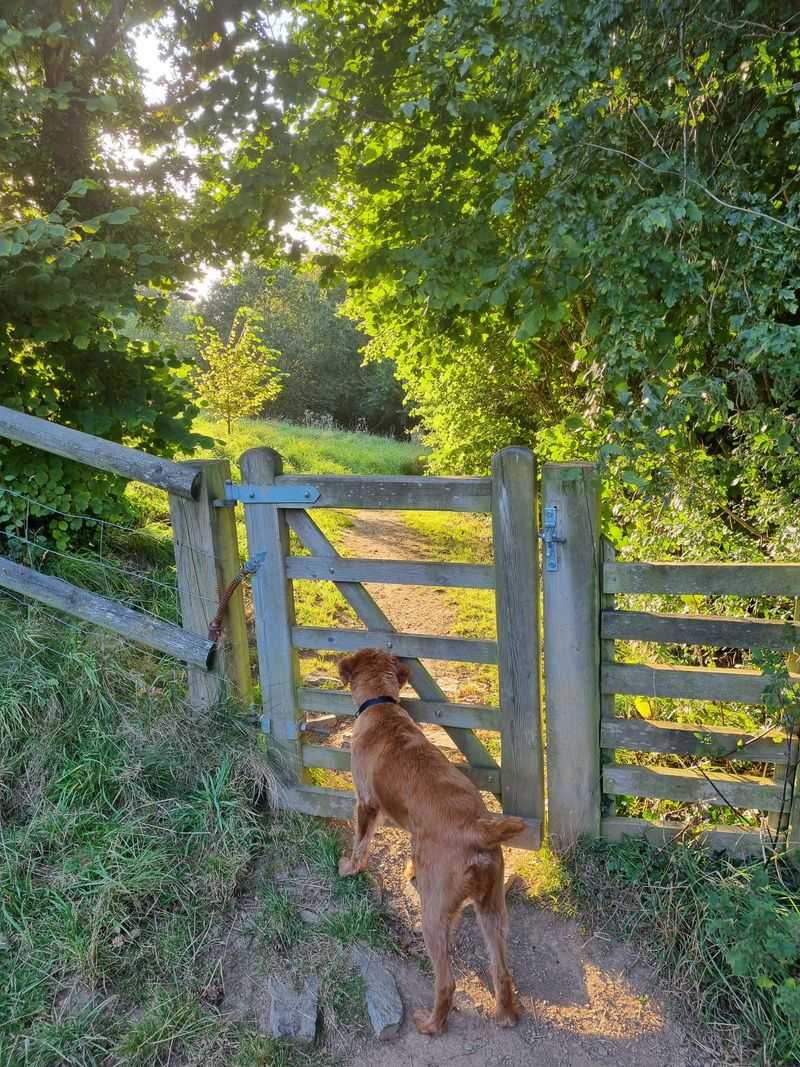
That distant tree line may look like a boundary, but your dog sees another interesting destination. Walk the property yourself before allowing wider access.
Check fences for loose wire, digging spots, gaps, and gates that fail to latch. Repeat inspections after storms or visits from delivery crews.
Ohio generally requires dogs to remain confined, restrained, or under reasonable control, with legal exceptions. Confirm local rules, and never assume acreage automatically permits roaming beyond your property boundaries.
3. Replacing Sidewalk Walks With Leash Training Around Wildlife
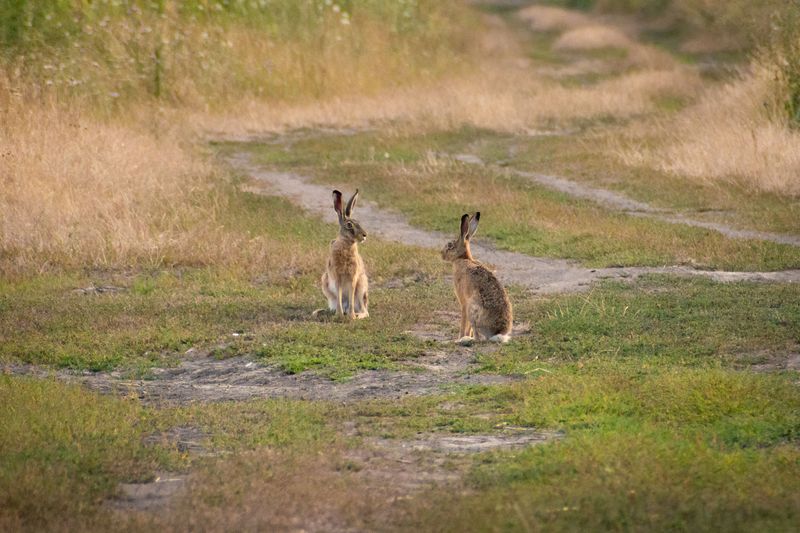
A rabbit crossing the yard can make yesterday’s reliable listener suddenly forget every familiar cue. Practice around mild distractions before approaching busier wildlife areas.
Use a standard leash or supervised long line attached to a suitable harness. Reward your dog for checking in, turning away, and returning when called.
Keep enough distance that your dog can still respond comfortably. Avoid chasing wildlife, and shorten outings when excitement makes learning difficult for either end of the leash.
4. Getting Used to Muddy Paws and Dirtier Floors
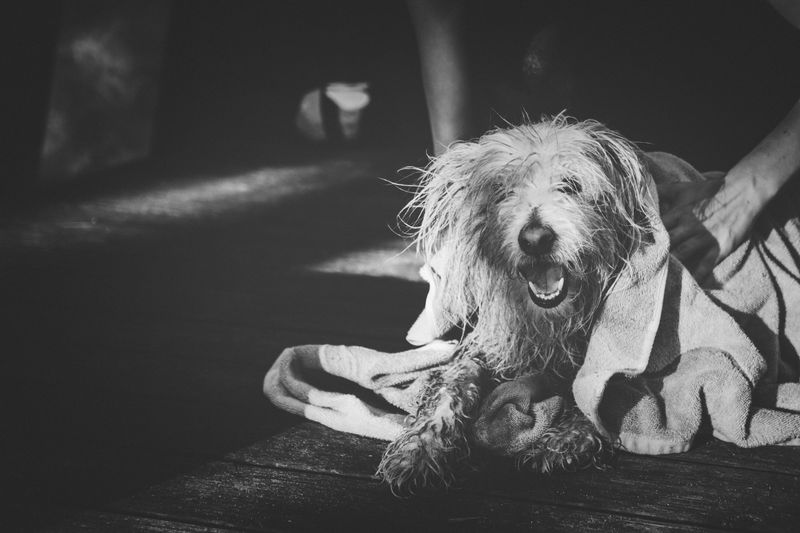
Your entryway may become the busiest cleaning station in the house after a rainy Ohio afternoon. Set out washable mats, towels, and a shallow rinse basin.
Teach your dog to pause at the door for gentle paw handling. Use lukewarm water when needed, then dry between the toes.
Skip harsh household cleaners on skin and paws. Check for small cuts, trapped seeds, or irritation while cleaning, turning an ordinary chore into a useful daily health check.
5. Checking for Ticks After Outdoor Adventures
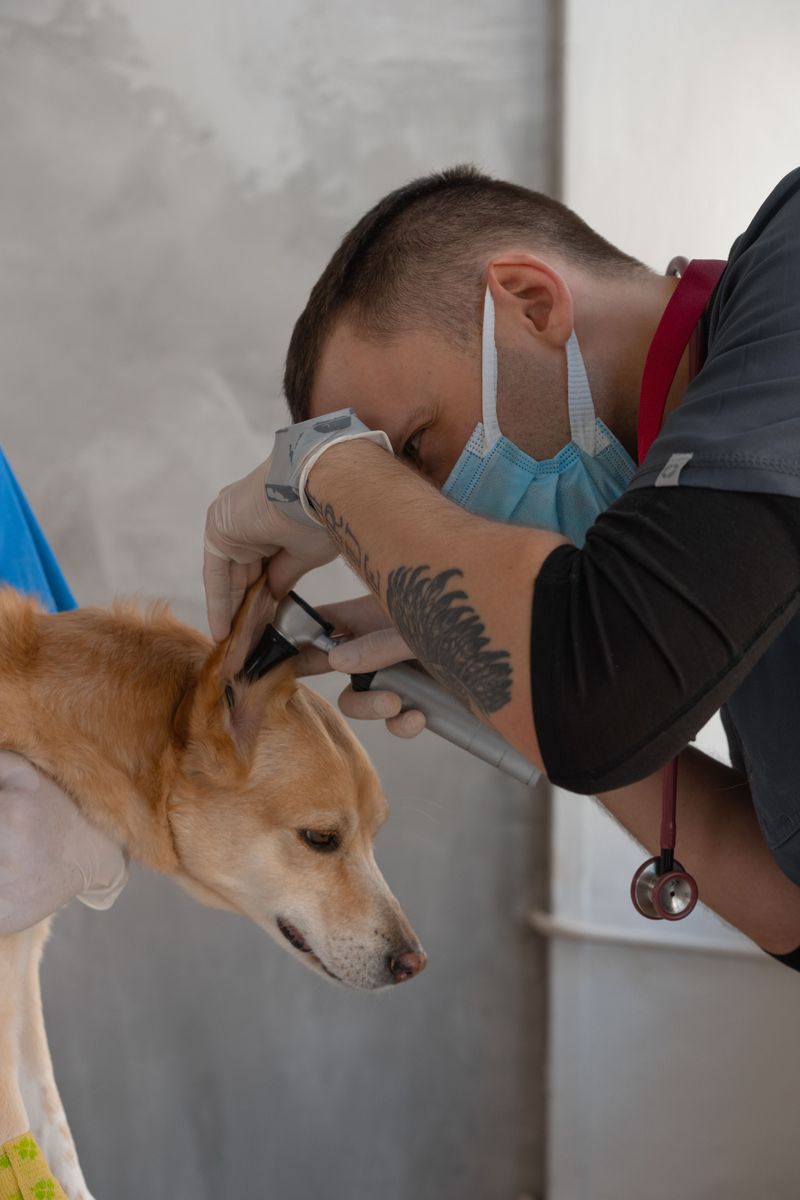
Long grass adds a small task to your homecoming routine: a careful search through your dog’s coat. Ohio ticks can be active during mild weather, including winter.
Feel around ears, the collar, armpits, groin, and between toes. Ask your veterinarian which preventive fits your dog’s health and outdoor habits.
Remove attached ticks promptly with fine tweezers, pulling steadily near the skin. Contact your veterinarian about removal concerns or symptoms such as tiredness, fever, or unusual limping.
6. Paying Closer Attention to Weather Before Outdoor Time
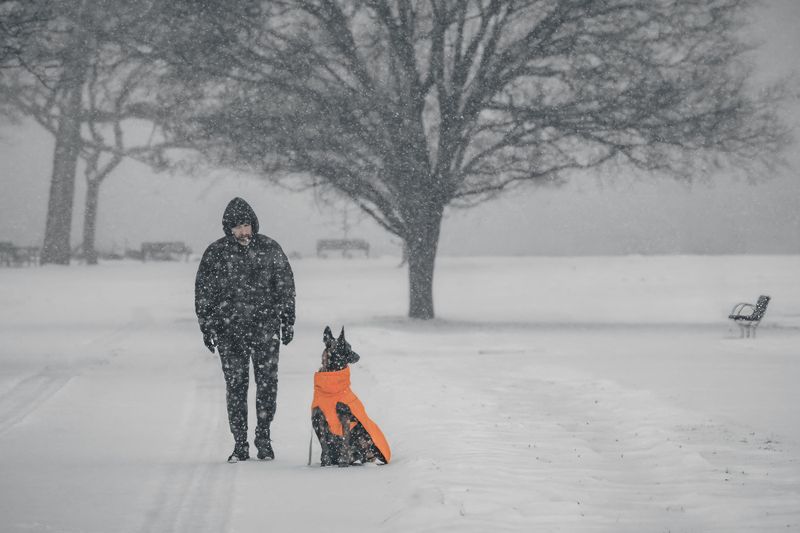
Open land offers less shelter than a block lined with buildings and mature street trees. Check conditions before opening the back door.
During hot weather, choose cooler hours and provide fresh water and shade. Bring dogs indoors during thunderstorms, dangerous heat, or bitter cold.
Ohio weather can shift quickly, especially across exposed fields. Watch your dog’s comfort rather than relying only on temperature, since age, coat, health, and humidity all affect tolerance during daily outdoor time.
7. Learning to Recognize Farm Equipment and Rural Traffic
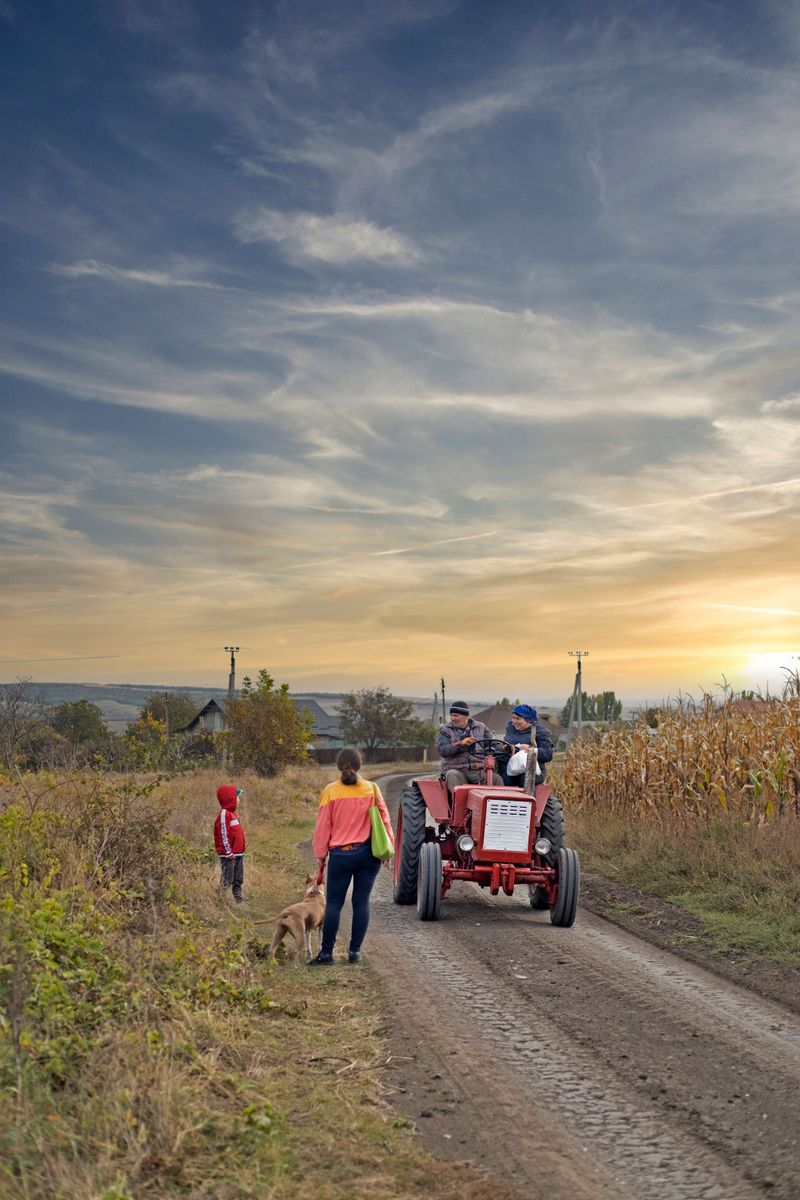
A quiet road can become busy when tractors, delivery trucks, or school buses pass your driveway. Teach your dog to wait well away from entrances.
Introduce equipment sounds from a comfortable distance and reward calm attention. Never practice beside moving machinery or assume a driver sees your dog.
Before mowing, place pets securely indoors or behind a separate barrier. Keep gates closed during deliveries, and tell visitors where your dog stays while vehicles enter and leave.
8. Making Room for Livestock and Neighboring Animals
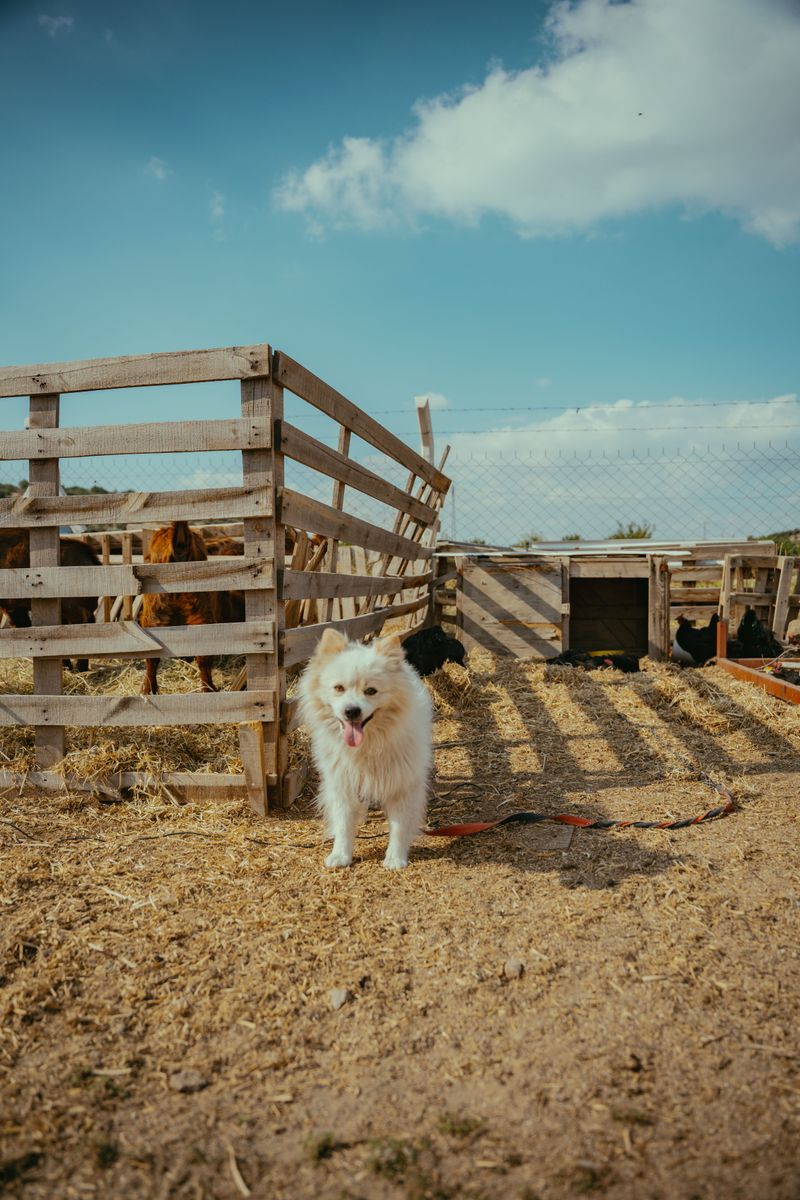
Next door might now include chickens, horses, or sheep instead of another apartment building. Good manners start with distance and clear boundaries.
Keep your dog leashed near livestock, even when the animals appear relaxed. Chasing can upset farm animals and create problems for everyone involved.
Ask neighbors about shared fence concerns and their animals’ routines. Never allow greetings through fencing without permission, and build a reliable turn away cue before walking near neighboring pastures with livestock.
9. Becoming More Careful Around Ponds and Drainage Ditches
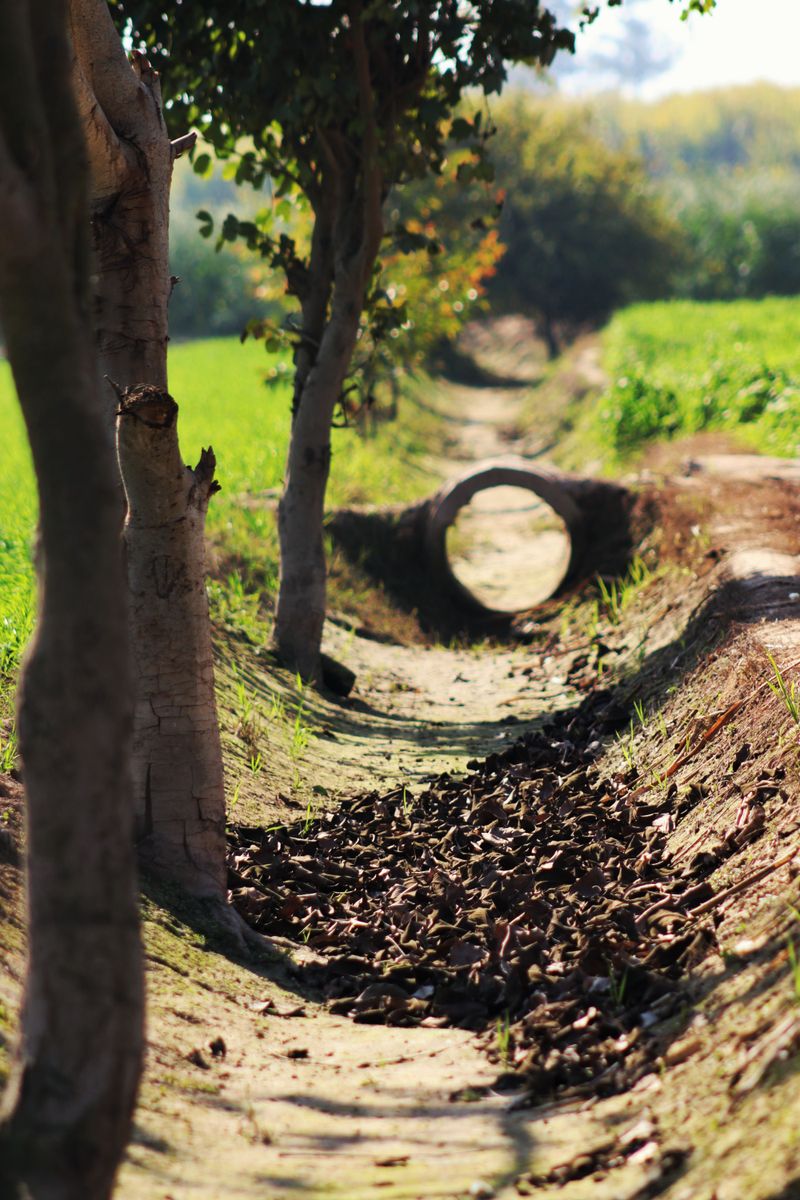
Water deserves its own property tour before your dog explores freely near the edges. Ponds and drainage ditches may hide steep banks, debris, or changing depths.
Prevent drinking from outdoor water sources, and bring clean water instead. Keep dogs away from suspicious scum, discolored water, and posted advisories.
Ohio ponds can develop harmful algal blooms during favorable conditions. Avoid questionable water entirely, supervise every visit, and never trust pond ice to support your dog’s weight safely.
10. Changing How Dogs Spend Time Outside Alone
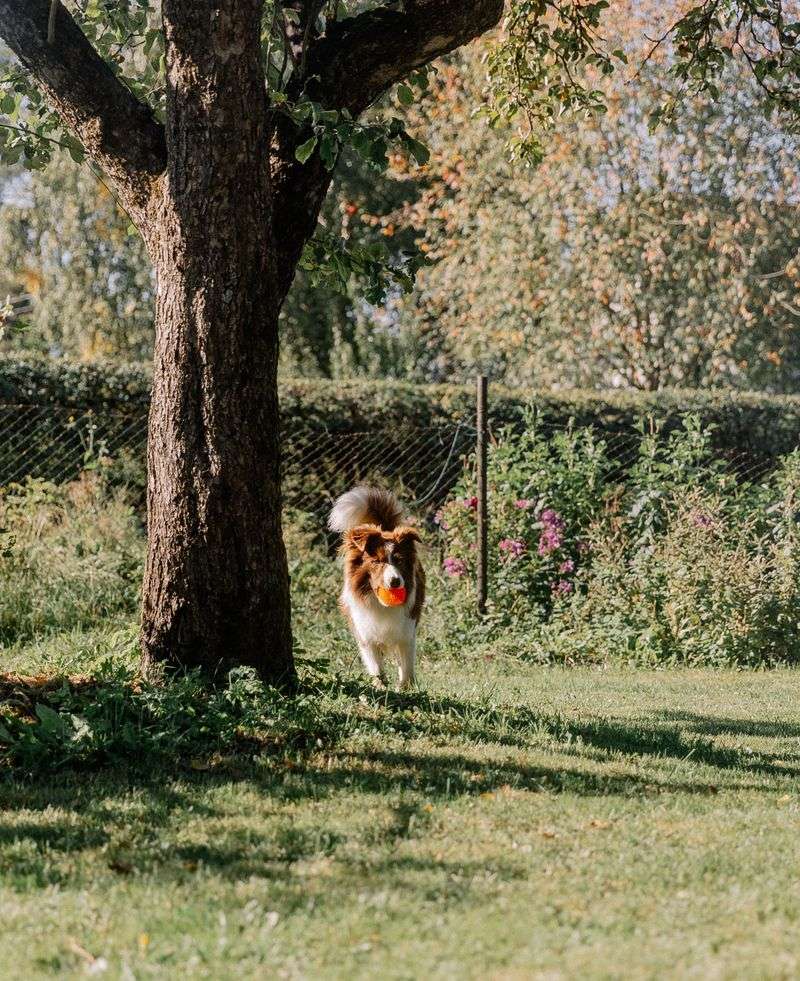
Extra space can make unsupervised yard time seem easier than it really is. Start with short, supervised sessions inside a secure enclosure.
Watch for digging, fence climbing, chewing, or growing interest in passing animals. A camera may help you notice patterns, but cannot replace direct supervision.
Provide water and suitable shelter during appropriate outdoor periods. Bring your dog inside when leaving home unless you have arranged a secure setup that meets their needs and local requirements.
11. Keeping a Closer Eye on Poisonous Plants and Yard Hazards
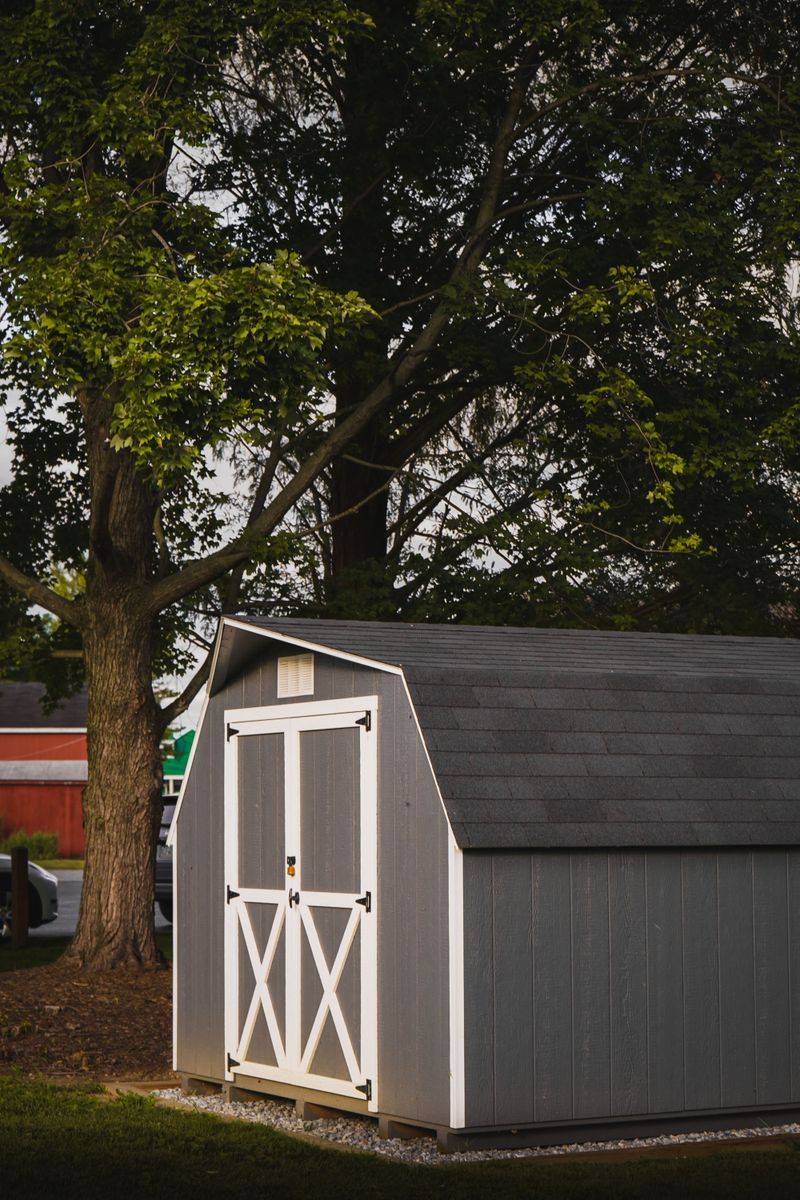
An old shed and an unfamiliar garden deserve attention before becoming part of your dog’s playground. Walk through storage areas and identify plants your dog can reach.
Lock away pesticides, fertilizers, rodent bait, fuel, and automotive fluids. Remove loose wire, discarded containers, and sharp scraps from accessible ground.
Ask a reliable local expert to identify unknown plants. If exposure seems possible, contact your veterinarian or an animal poison service promptly, keeping packaging or plant photos available.
12. Adjusting Barking Habits Around a Quieter Neighborhood
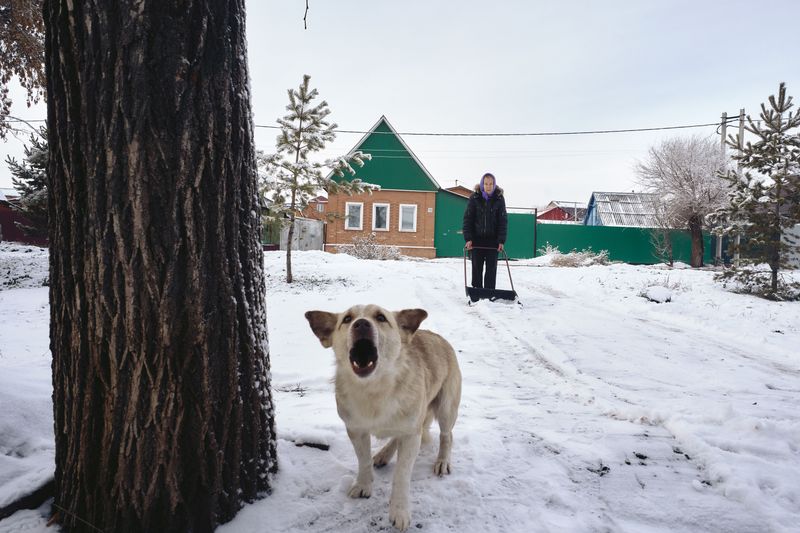
Sound travels differently when there are fewer buildings between your yard and the next house. Notice what starts barking, such as deer, vehicles, or evening noises.
Reward quiet check-ins and guide your dog indoors before excitement builds. Add sniffing games, rest, and suitable exercise rather than leaving barking to continue.
Talk kindly with neighbors if concerns arise. Noise rules vary locally, so check township or municipal guidance instead of assuming country homes have no barking limits.
13. Building a More Organized Outdoor Cleanup Routine
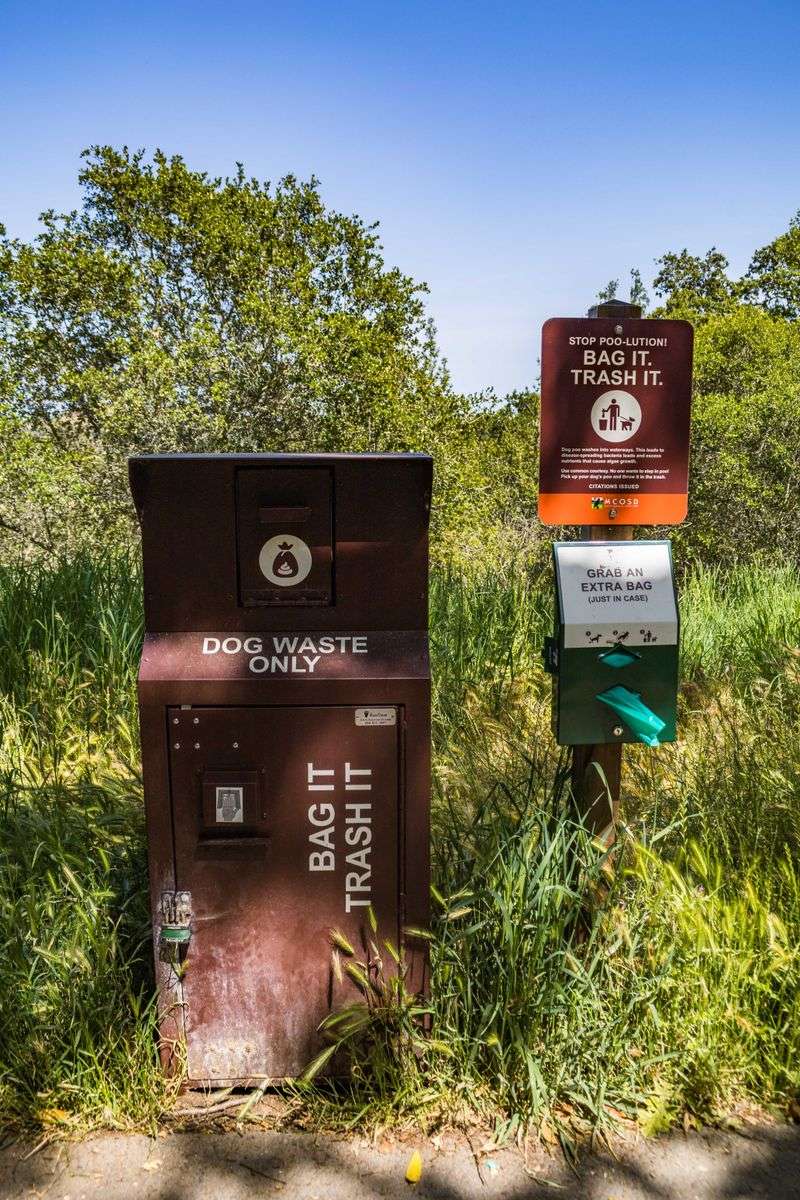
More land does not make dog waste disappear or stop it from affecting shared spaces. Choose a convenient toilet area and clean it regularly.
Keep bags or a scoop near the door, away from children and pets. Follow local disposal guidance, and avoid placing waste near wells, gardens, ponds, or drainage routes.
Regular pickup helps reduce parasite exposure and keeps mowing less messy. Add toy checks and water bowl washing to the same outdoor maintenance routine.
14. Planning More Carefully for Veterinary Emergencies
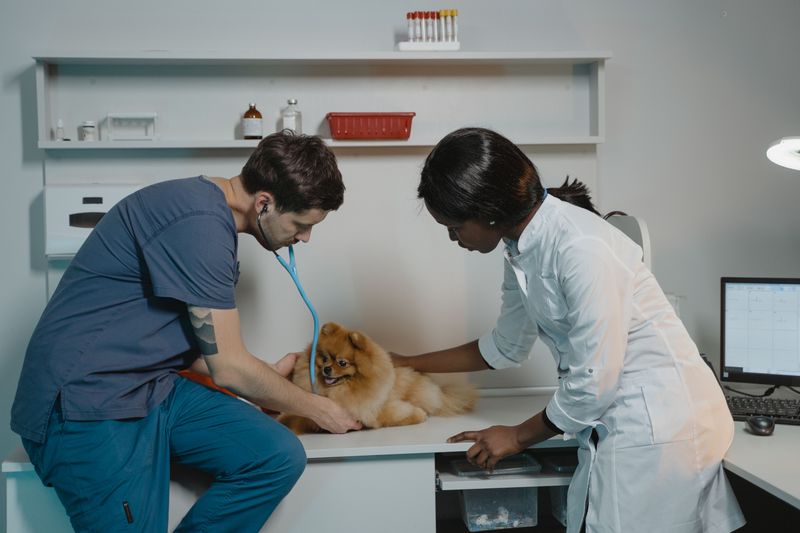
The closest veterinary clinic may be farther away than your old city practice was. Save daytime and emergency numbers before you need them.
Call ahead to confirm hours, available services, and where emergencies go after closing. Drive the route once, noting winter conditions and possible road closures.
Keep records, medications, a leash, and transport supplies together. Ask your veterinarian about first aid basics, and check that someone can help move your dog safely if needed quickly.
15. Giving Dogs More Freedom While Keeping Routines Consistent
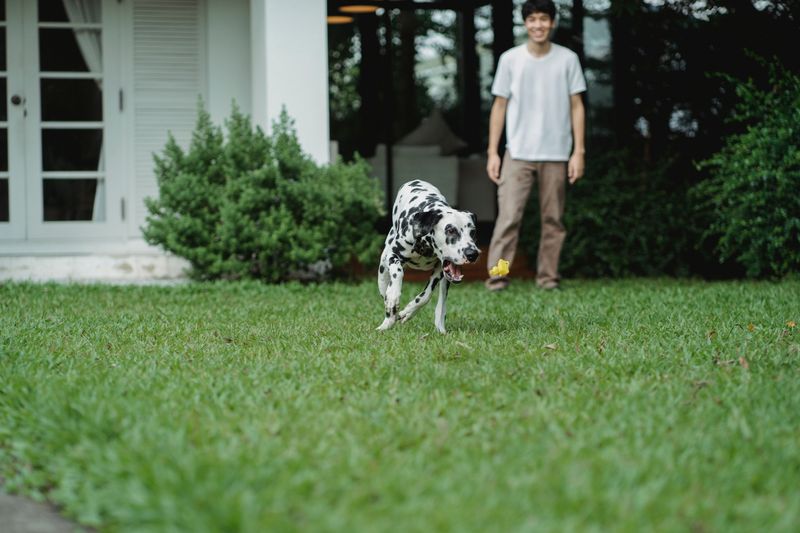
Country living works best when new adventures rest on familiar daily habits your dog understands. Keep meals, rest, exercise, and training reasonably consistent during the move.
Expand access gradually as your dog shows reliable responses and settles comfortably. Maintain identification, update microchip contact details, and confirm Ohio licensing obligations with your county auditor.
Freedom should grow from preparation, not simply from having more land. Keep the routine steady, explore together, and let confidence grow alongside experience.