19 Working Dog Breeds Suited To Wisconsin Dairy Farms And Rural Acreage
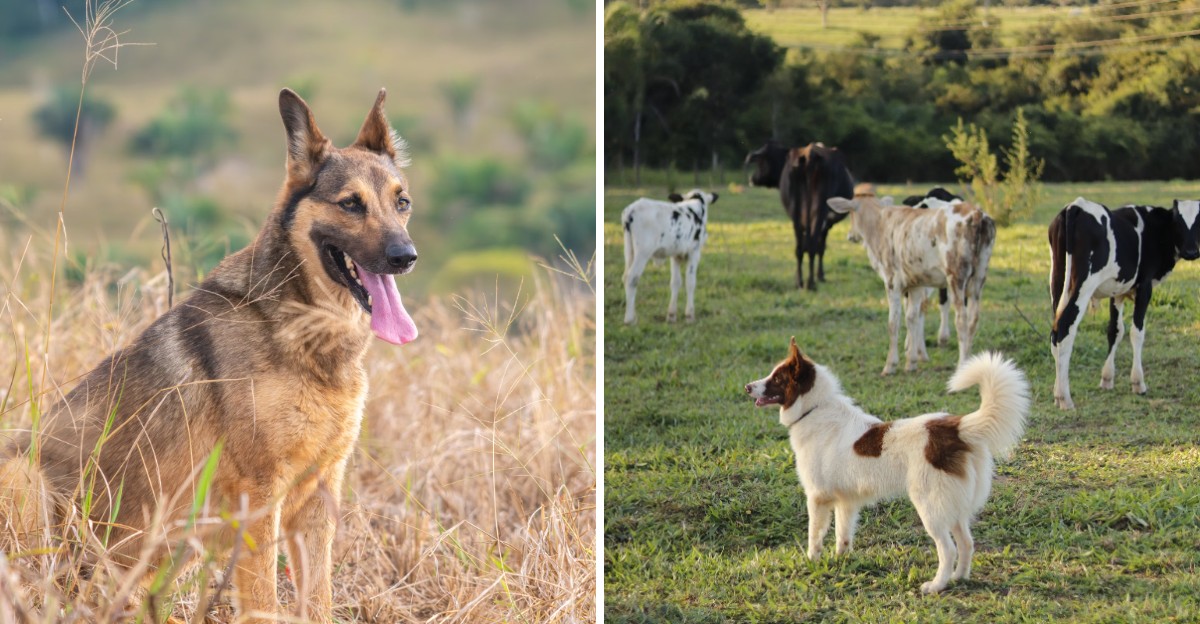
Wisconsin farm dogs face a tough job description. They move Holsteins at dawn, guard calves from coyotes, and shrug off January winds that bite through barn coats.
Not every breed can handle that mix of brains, grit, and cold-weather toughness. Some excel at gently nudging cows toward the milking parlor.
Others patrol fence lines all night while the family sleeps. The right match can save you hours of work each week, and the wrong one can leave you chasing chaos.
1. Australian Cattle Dog: Tough as a Fence Post
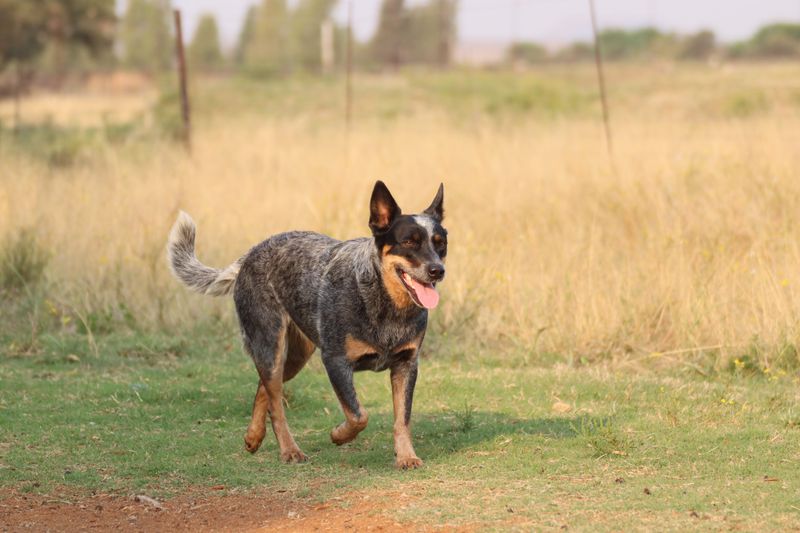
Stubborn steer refusing to budge? Send in the heeler.
Australian Cattle Dogs nip at heels to keep reluctant cattle moving, a skill built for rough Outback ranches.
They are compact, sturdy, and nearly tireless. Their short double coat sheds mud easily and handles cold mornings better than you might expect.
Loyalty runs deep, often to one favorite person. Early socialization helps them stay polite with visitors and the milk truck driver.
2. Australian Shepherd: The Flashy Farmhand
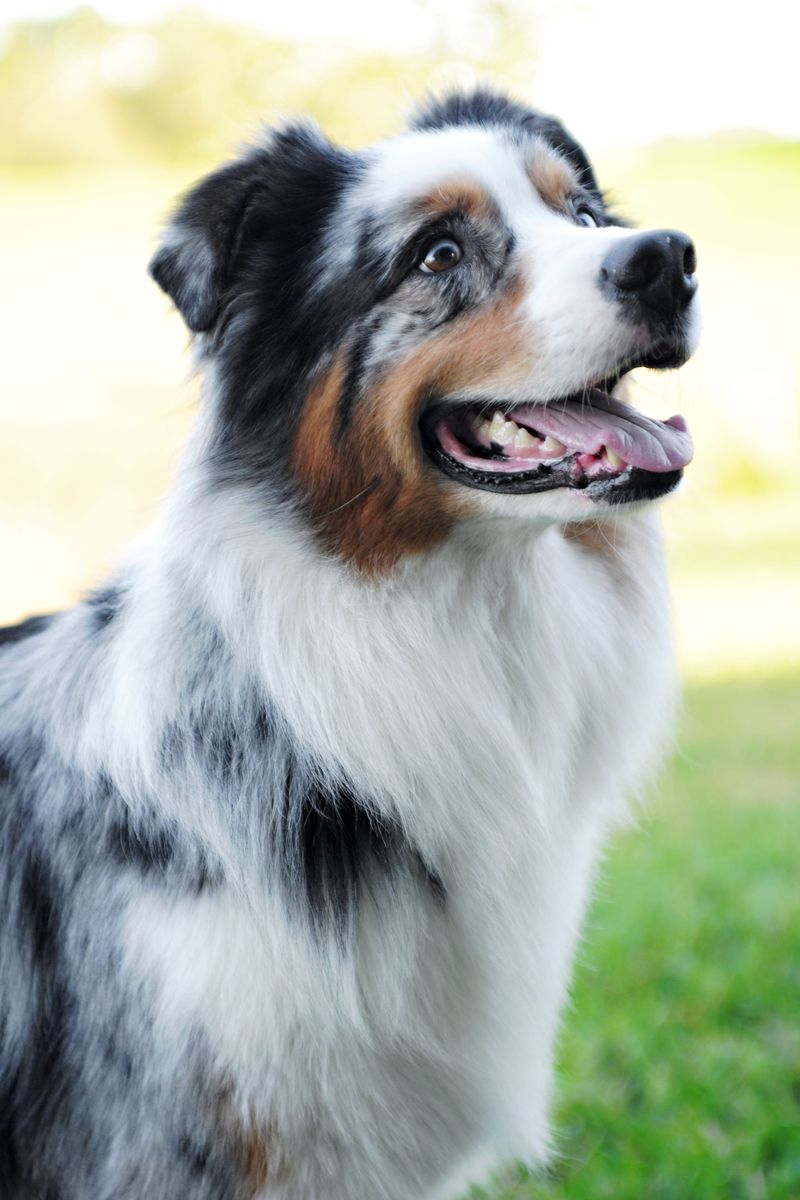
Fun fact: despite the name, Aussies were refined on ranches in the American West. Cowboys loved their speed and willingness to work all day.
Those merle coats and bright eyes turn heads at the feed store. Underneath the good looks sits a serious stock dog with plenty of grit.
Aussies thrive with a clear job and steady training. Give them cows to move, and they will happily clock in every morning.
3. English Shepherd: Grandpa’s All-Purpose Helper
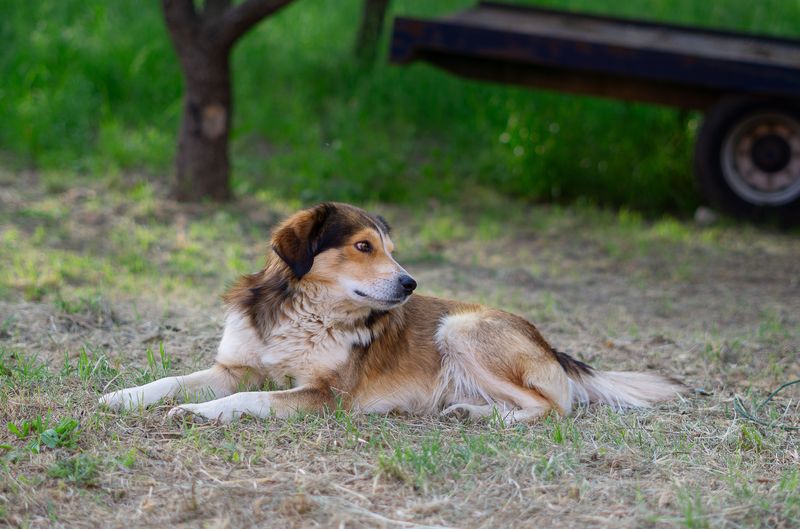
Ask an old-timer about the family farm dog, and you may hear a story about an English Shepherd. This breed was once common on Midwest homesteads.
They herd cattle, guard chickens, chase off varmints, and watch the kids. Their loose, thinking style means they often figure out chores on their own.
Calm indoors and keen outdoors, they suit families wanting one dog that does a little bit of everything around the place.
4. Australian Kelpie: Small Dog, Huge Engine
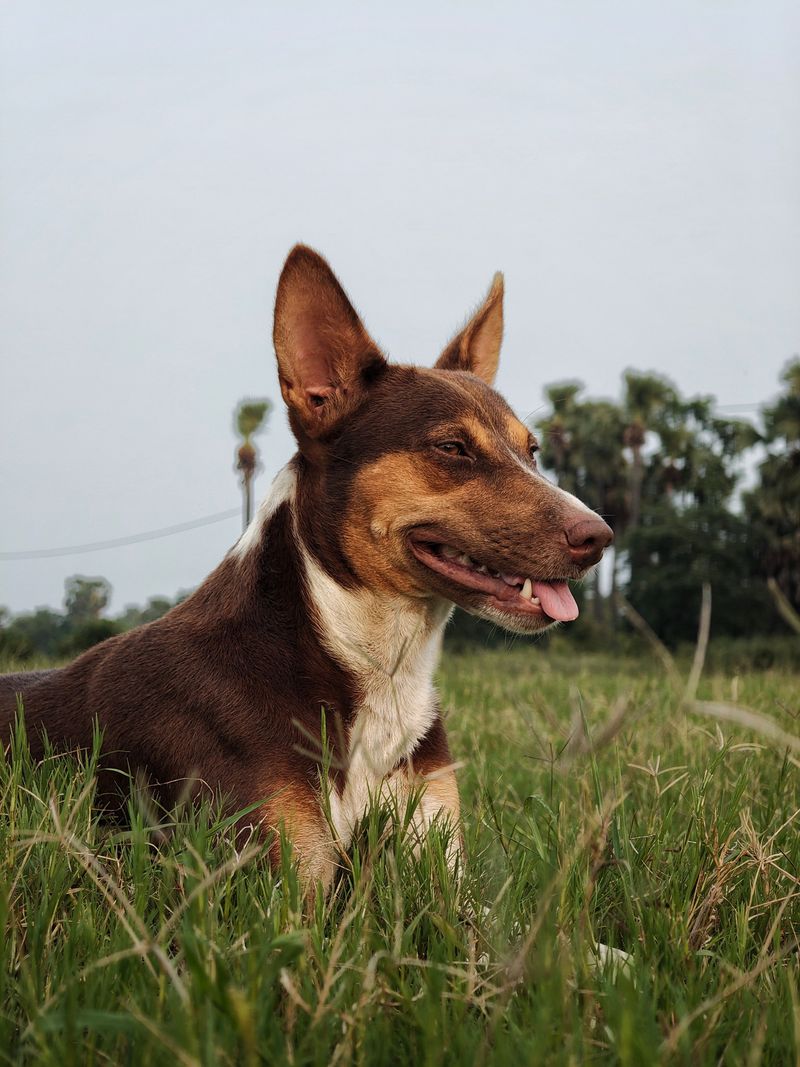
Kelpies are famous for running across the backs of crowded sheep in Australian pens. That gives you a sense of their bold, springy energy.
Lean and medium-sized, they can work long days without slowing. Their short coat dries fast after muddy chores, though winter nights call for a warm barn spot.
Here is the honest truth: Kelpies need real work. They shine on busy operations, not quiet backyards.
5. Border Collie: The Brainy Cow Whisperer
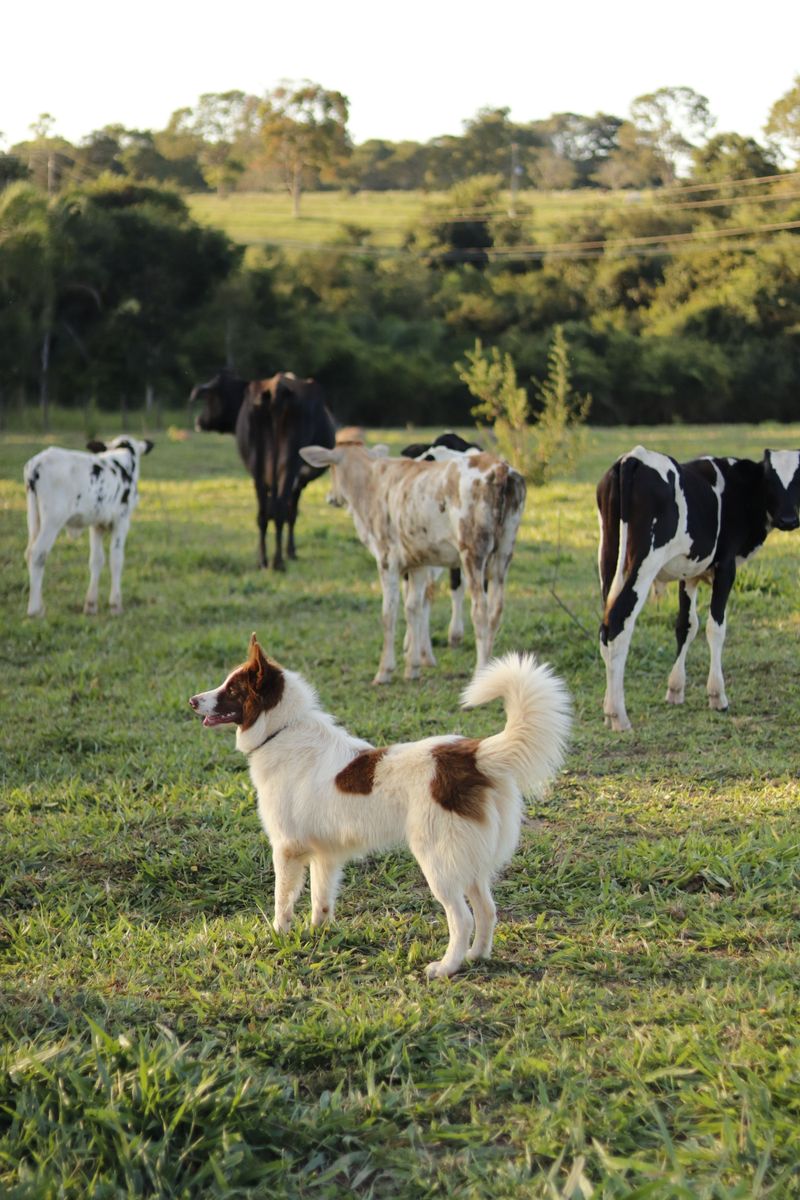
Watch one crouch low and lock eyes with a heifer. That famous herding stare moves cattle without a single bark.
Bred on the Anglo-Scottish border, Border Collies learn commands and whistles faster than almost any breed.
On a dairy farm, they can bring cows to the parlor calmly and quickly. Their weatherproof double coat handles Wisconsin drizzle well.
Plan on daily jobs or puzzles. A bored collie will invent its own chores.
6. Bouvier des Flandres: The Shaggy Barn Boss
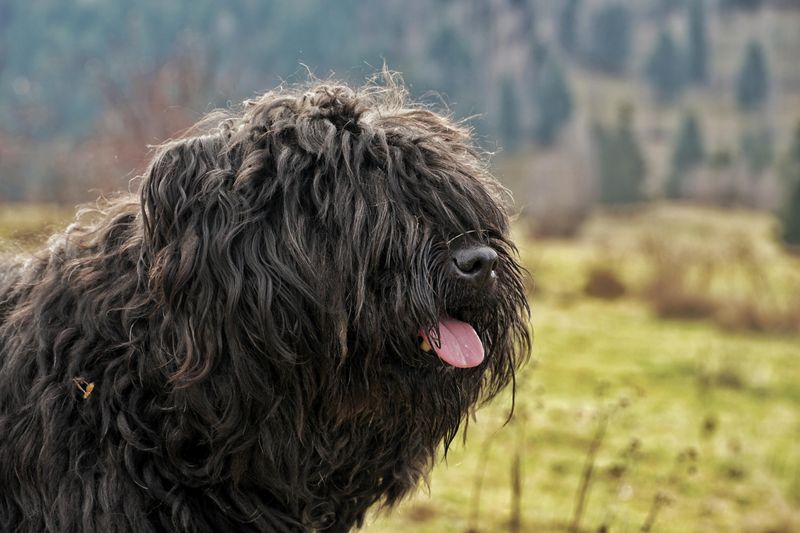
Picture a walking haystack with a big heart. Belgian farmers used the Bouvier to drive cattle, pull carts, and guard the homestead.
That thick, rough coat makes them a natural for snowy Wisconsin winters. They stay steady and calm, rarely rattled by stomping cows or loud tractors.
Grooming takes effort, since burrs love that beard. Still, their sensible, protective personality makes them a trusted partner on larger acreage.
7. German Shepherd Dog: The Watchful Guardian
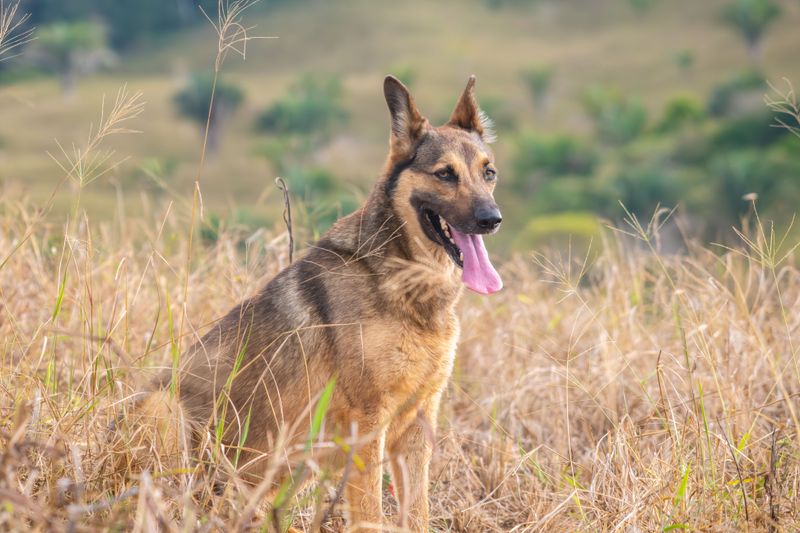
Long before police work, German Shepherds tended flocks across German farmland. Their herding roots still show in their focus and stamina.
On rural acreage, they excel as watchdogs. They notice strange trucks, wandering coyotes, and open gates quickly.
Training is a joy with this eager learner. Pick a breeder focused on sound hips and steady temperament.
A well-raised shepherd becomes a loyal, clever right hand around the farm.
8. Pembroke Welsh Corgi: Low Rider, Big Attitude
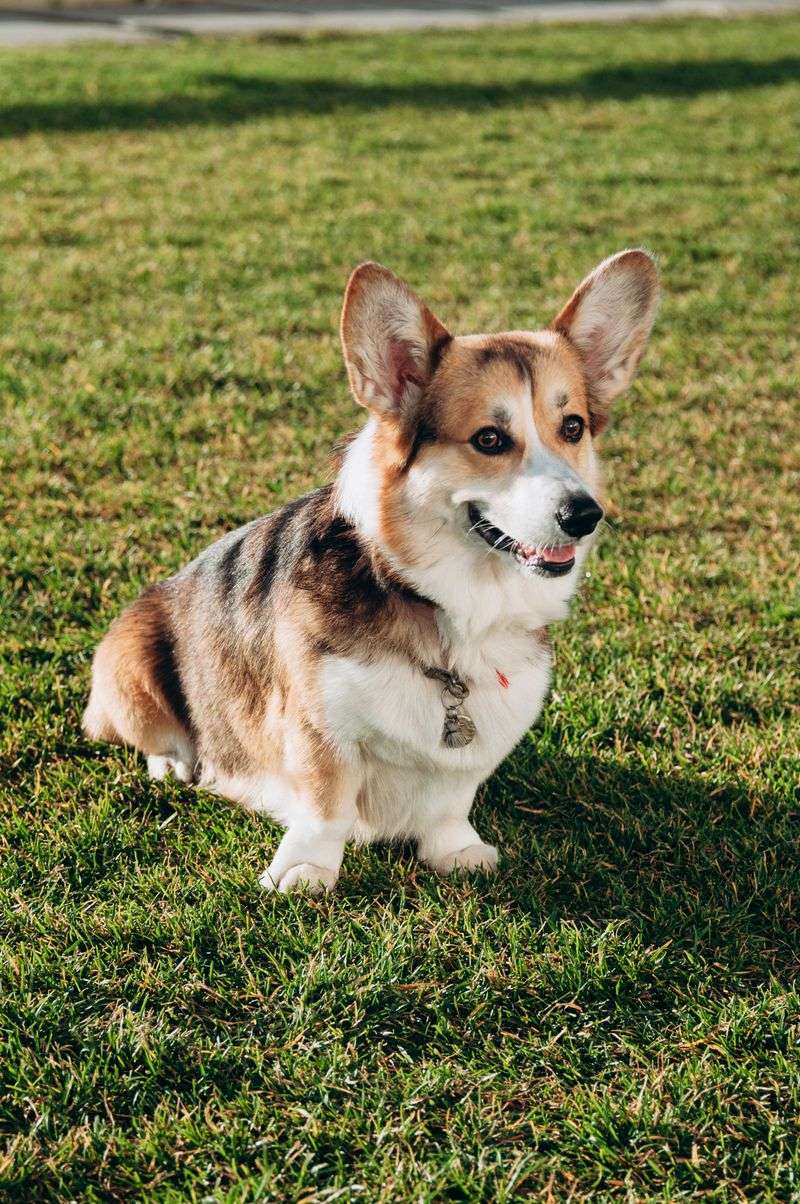
Short legs are a feature, not a flaw. Corgis were built low so cattle kicks would sail right over their heads.
Welsh farmers used them to nip heels and drive cows to market. Today, Pembrokes still bring surprising bravery to small farms and hobby herds.
They are cheerful, bossy, and smart. Watch their weight, since that long back needs a trim body.
A busy corgi is a happy corgi.
9. Cardigan Welsh Corgi: The Older, Steadier Cousin
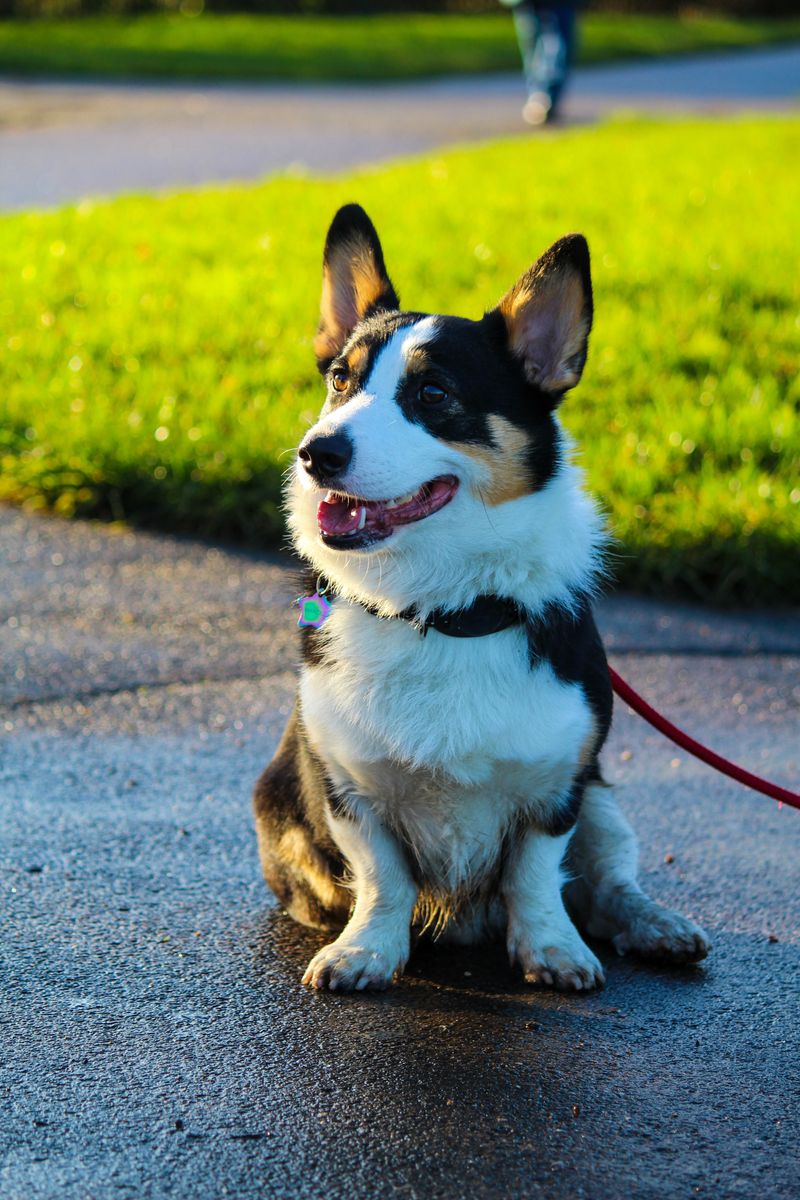
Spot the tail, and you have found a Cardigan. This corgi line is considered the older of the two Welsh breeds.
Cardigans tend to be a bit more laid-back than Pembrokes. They still move cattle with gusto, but they settle nicely on the porch afterward.
Their sturdy frame and weather-ready coat handle Midwest seasons well. For small dairies or hobby farms, they offer heart without nonstop intensity.
10. Swedish Vallhund: The Viking Farm Dog
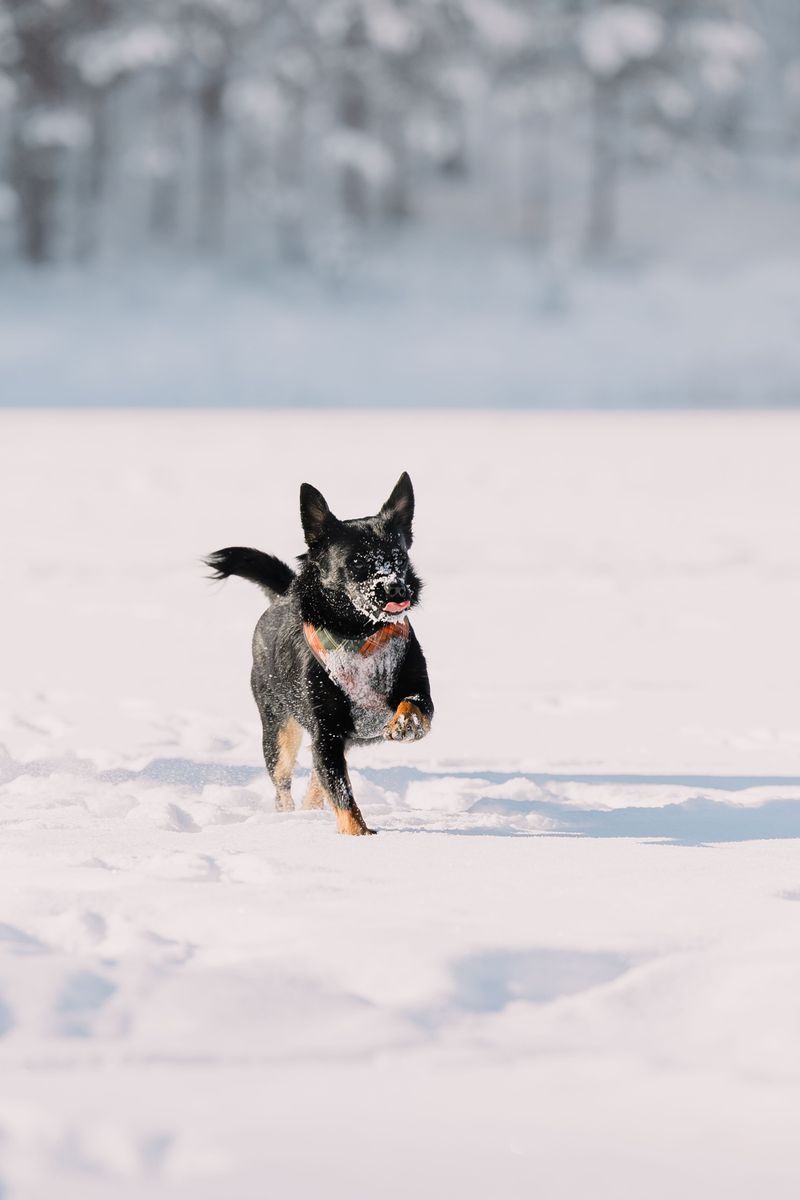
Sweden’s farm dog has a history going back over a thousand years, to the Viking era. Talk about job experience!
Vallhunds herd cattle, catch rats, and alert the family to visitors. Their thick, wolf-gray coat was built for Nordic cold, so Wisconsin winters feel like home.
They are cheerful and chatty, with a famous yodel-like bark. Expect a merry little worker that fits small farms beautifully.
11. Entlebucher Mountain Dog: Swiss Pocket Powerhouse
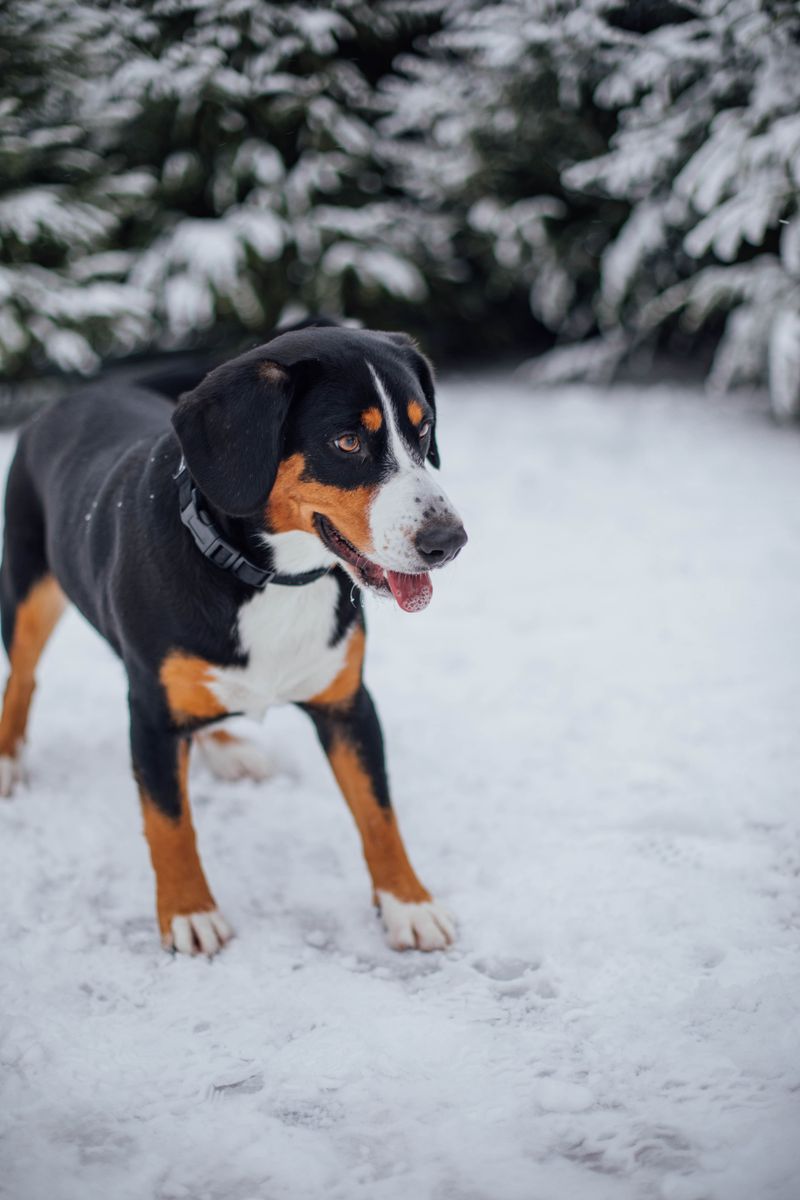
Swiss dairy farmers needed a nimble dog to move cattle through hilly pastures. The Entlebucher answered the call.
Smallest of the four Swiss mountain breeds, it packs energy, agility, and a cheerful work ethic. Since it was made for cows and cheese country, it fits Wisconsin just right.
Entles bond closely with family. Daily exercise and training keep that lively mind busy and that tricolor tail wagging.
12. Greater Swiss Mountain Dog: The Gentle Draft Horse
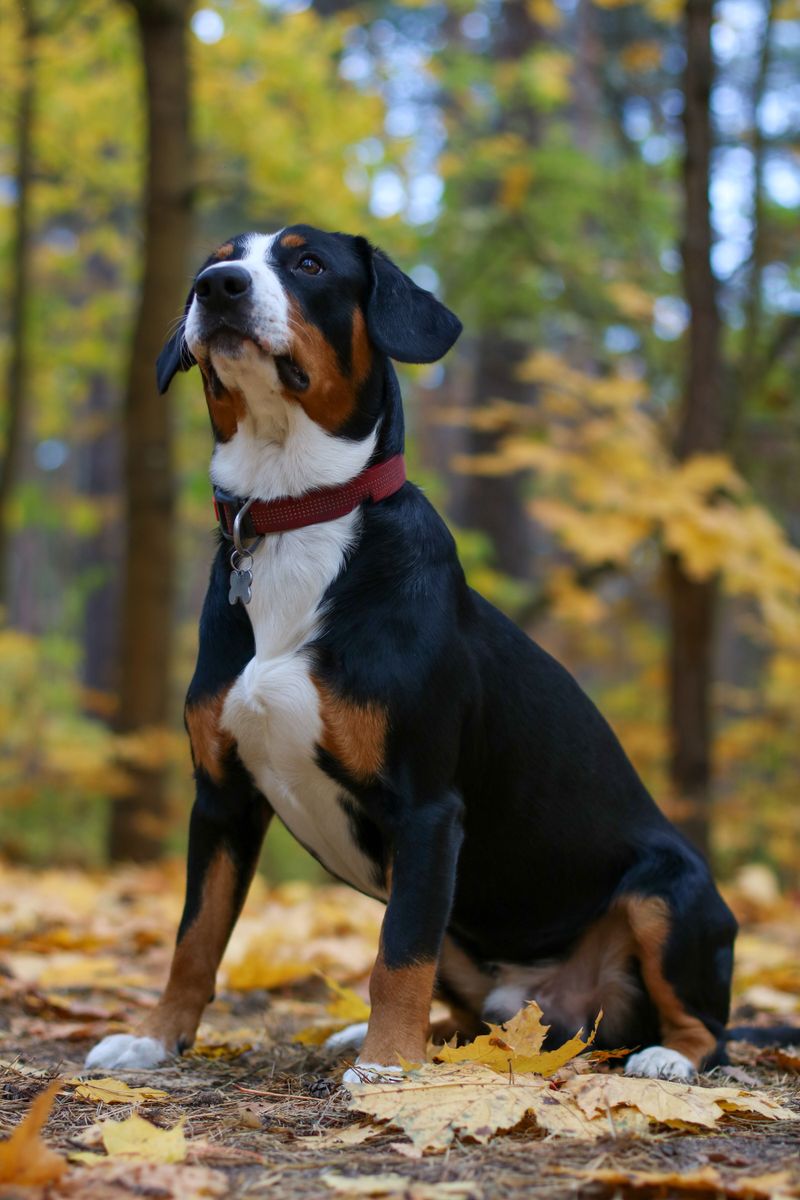
Once called the poor man’s horse, this big Swiss breed pulled carts loaded with milk and cheese. Strength is their calling card.
Swissies also guard property and drive cattle at a steady pace. Their short, dense coat handles cold well.
They mature slowly, so patient training pays off. Families with space will love their calm, sturdy presence.
Just budget for big appetites and big beds.
13. Bernese Mountain Dog: Winter’s Favorite Friend
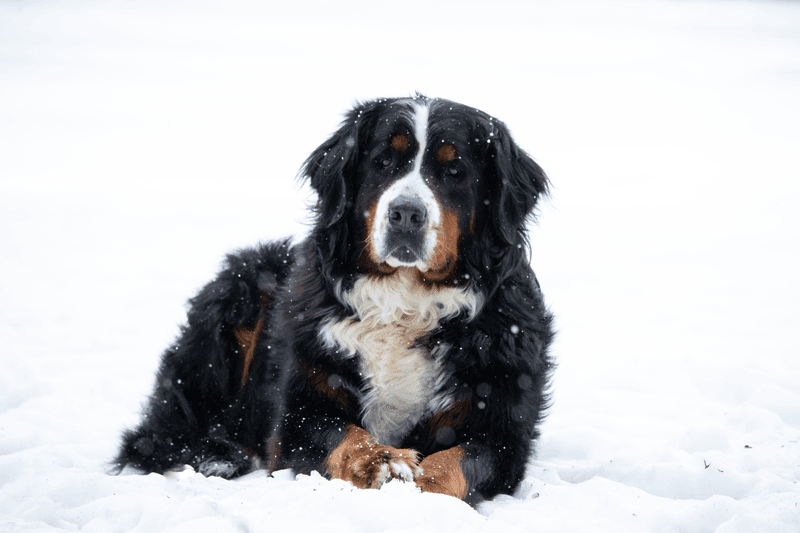
Snowflakes on a Berner’s thick coat look like a postcard. This breed honestly seems happiest when it is freezing outside.
Swiss farmers used Berners to haul carts, watch the farmyard, and herd cattle. Their sweet, easygoing temperament makes them family favorites.
They love hard work in short bursts rather than all-day sprints. Brush often, avoid summer heat, and enjoy a fluffy farm buddy.
14. Beauceron: France’s Rugged Shepherd
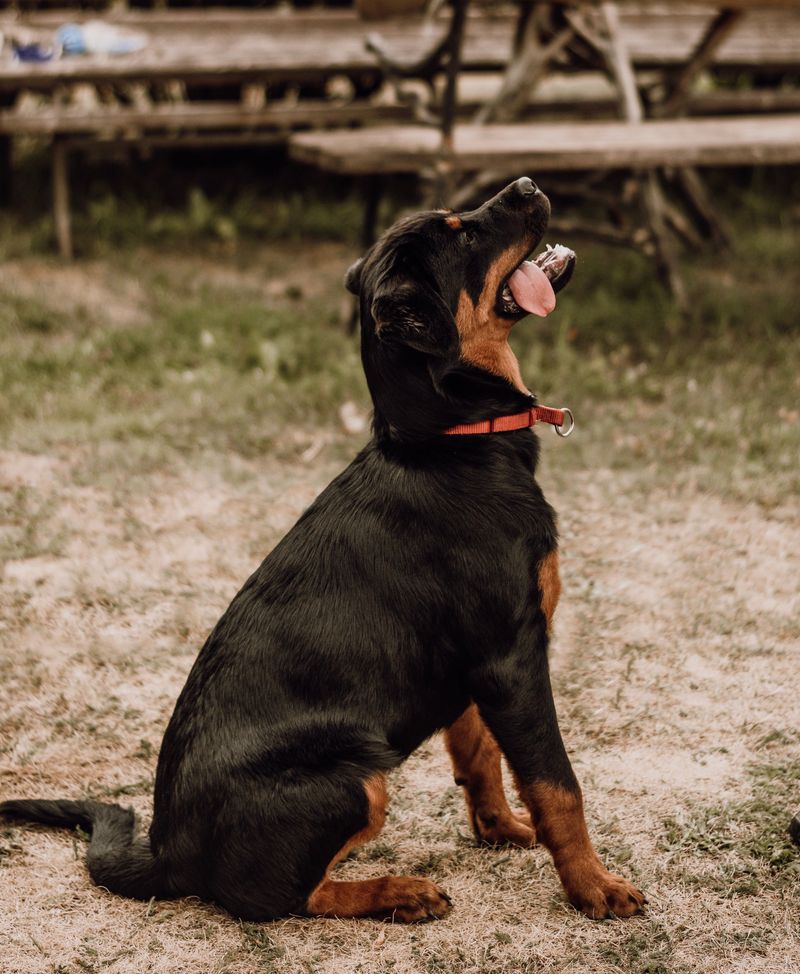
Count the toes. Beaucerons carry double dewclaws on their back legs, a quirky trait required by their breed standard.
French farmers relied on them to herd large flocks over long distances. They also guarded the farm with quiet confidence.
Beaucerons are big, athletic, and wise. They need a confident handler and early training.
In return, you get a devoted partner ready for wide-open acreage.
15. Rottweiler: The Original Cattle Driver
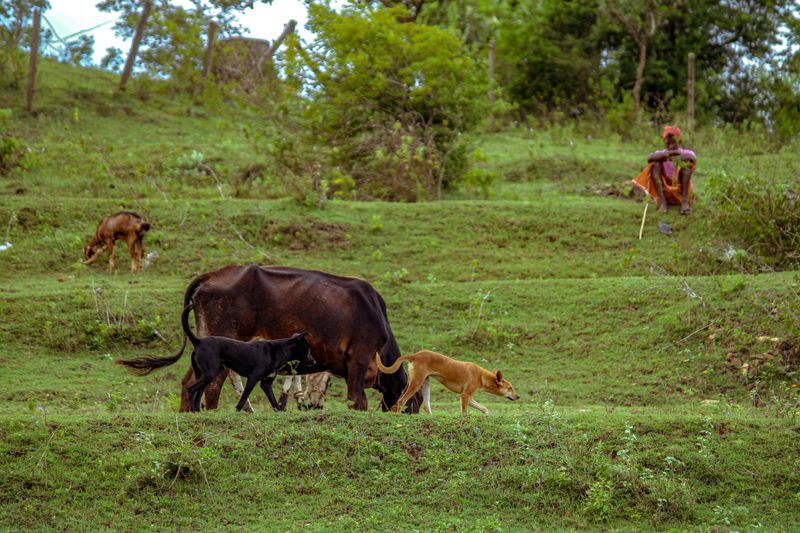
Long ago, Rottweilers drove cattle to market in the German town of Rottweil. Butchers then hung money pouches around their necks for safekeeping.
That mix of herding and guarding still fits farm life. Rotties are strong, calm, and loyal to their people.
Steady training and early socialization are a must. Raised well, they become devoted, levelheaded guardians who love helping with chores.
16. Belgian Tervuren: Elegant and Eager
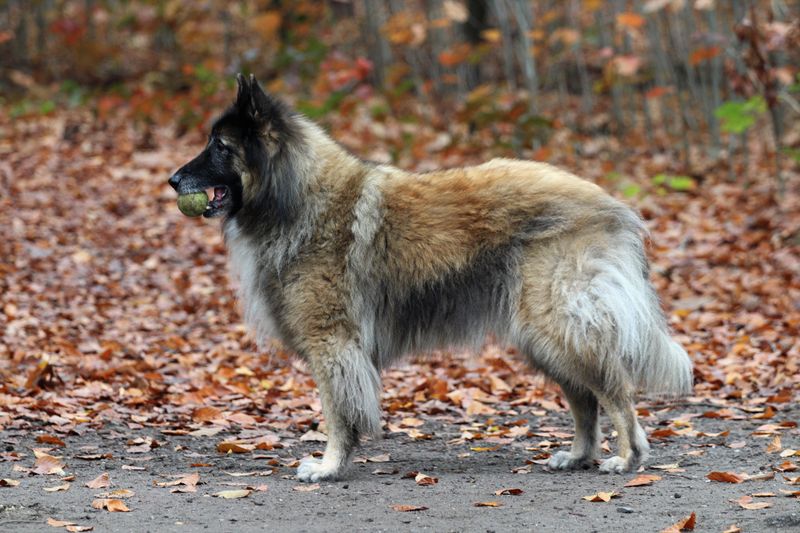
Graceful as a show dog, yet built for barn work. Belgian Tervurens herded sheep and guarded farms across Belgium.
Their thick, mahogany coat stands up to brisk Wisconsin weather. They are alert, sensitive, and quick to learn.
Terv owners often describe them as shadows. They follow you from barn to house and back again.
Give them steady jobs and gentle training for best results.
17. Catahoula Leopard Dog: Louisiana’s Spotted Wrangler
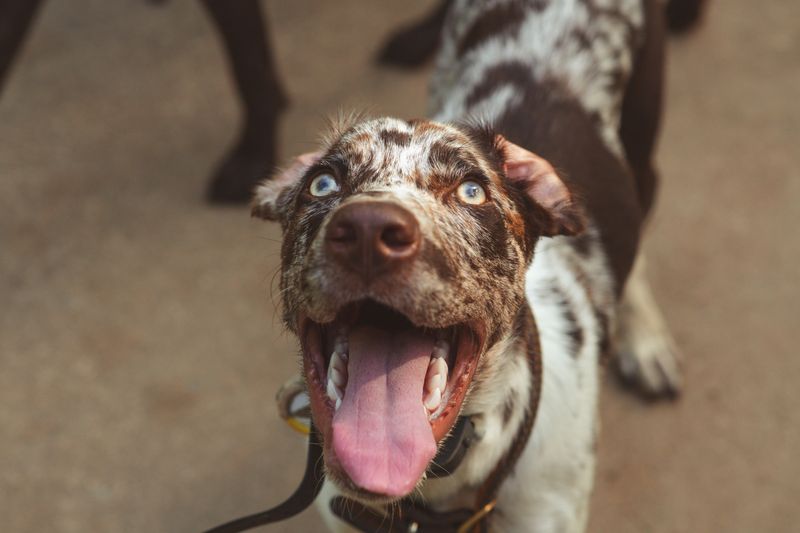
Spotted coats, glassy blue eyes, and boundless energy. Catahoulas are Louisiana’s official state dog.
Hunters and ranchers used them to round up wild hogs and half-wild cattle in swampy woods. That gives them grit for rugged acreage.
They are independent thinkers, so training needs patience and fun. Their short coat calls for a cozy barn on frigid nights.
Active farms will appreciate their gusto.
18. Great Pyrenees: The Night Watchman
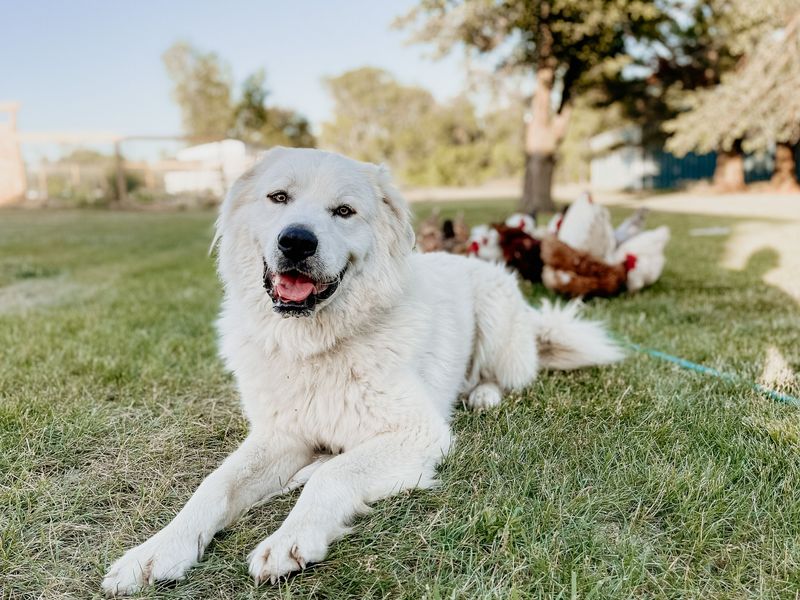
When coyotes yip after dark, the Pyr answers with a deep, booming bark. Then it calmly stands guard until morning.
Bred in the Pyrenees Mountains, these fluffy giants protect livestock rather than herd them. Their thick white coat laughs at subzero nights.
Expect barking and wandering, so strong fences help. Calm with calves, kids, and goats, they bring peace of mind to rural acreage.
19. Maremma Sheepdog: Italy’s Quiet Protector
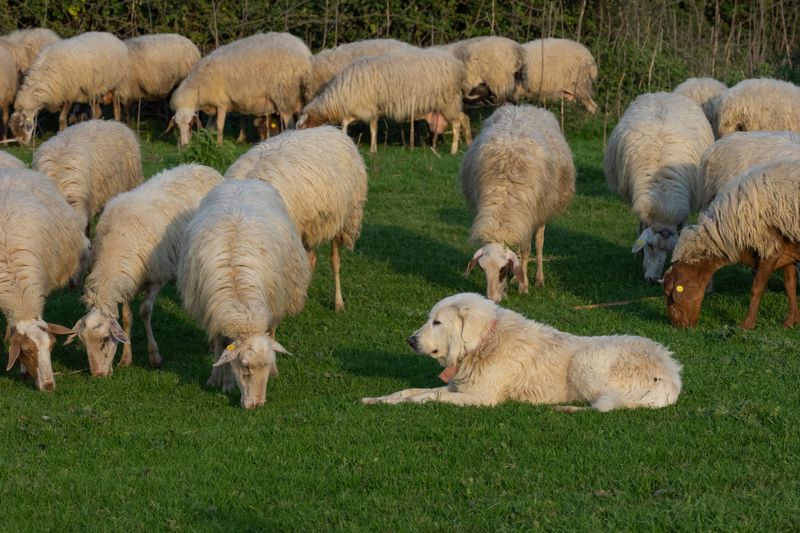
Italian shepherds have trusted Maremmas for centuries to protect flocks from wolves. They still do the job beautifully today.
Maremmas bond with their animals and live among them. They work independently, deciding when to warn and when to rest.
A dense white coat keeps them snug through snowy months. If calves, goats, or chickens need a guardian, this steady sentinel deserves a close look.