15 Virginia Dog Laws That Rarely Get Talked About
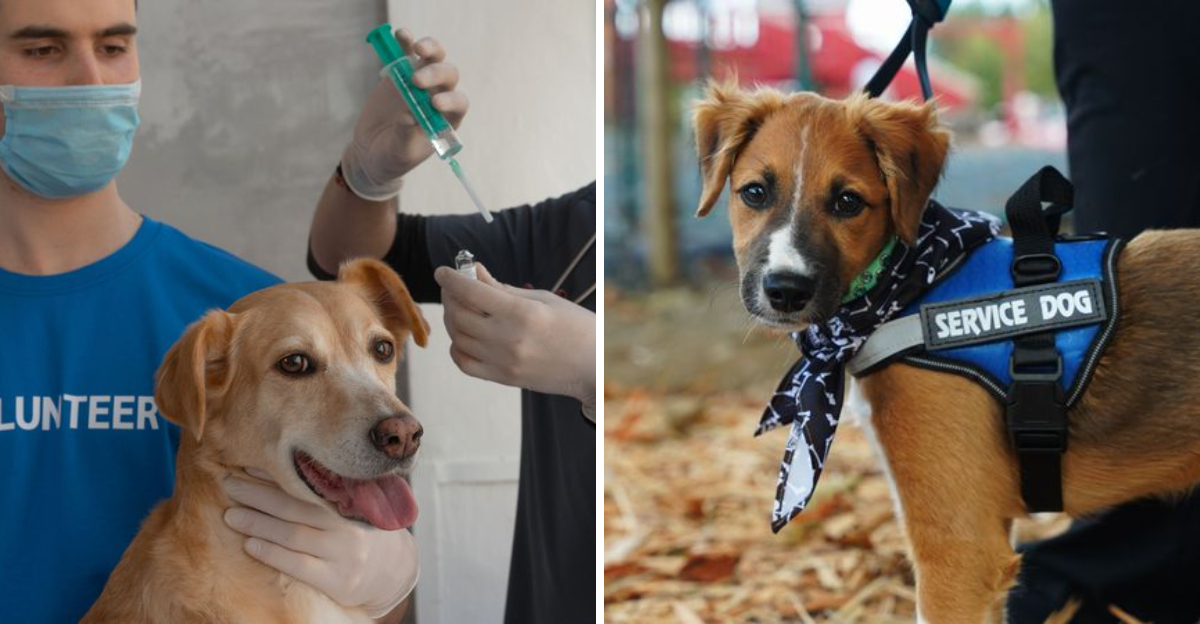
If you share your home with a dog in Virginia, you already know the basics.
What surprises many owners is how much of that care is actually written into state law, tucked into code sections most of us never read. Still, knowing the details helps you avoid an awkward conversation with animal control, and it helps you speak up if you ever see a dog in trouble.
Keep in mind that Virginia gives counties and cities room to add their own rules. That means your neighbor two towns over may face slightly different requirements.
Think of the list below as a friendly walkthrough of the quieter corners of Virginia dog law. Where local rules matter, verify with your city or county animal control office or your veterinarian.
1. No Single Statewide Leash Rule Exists
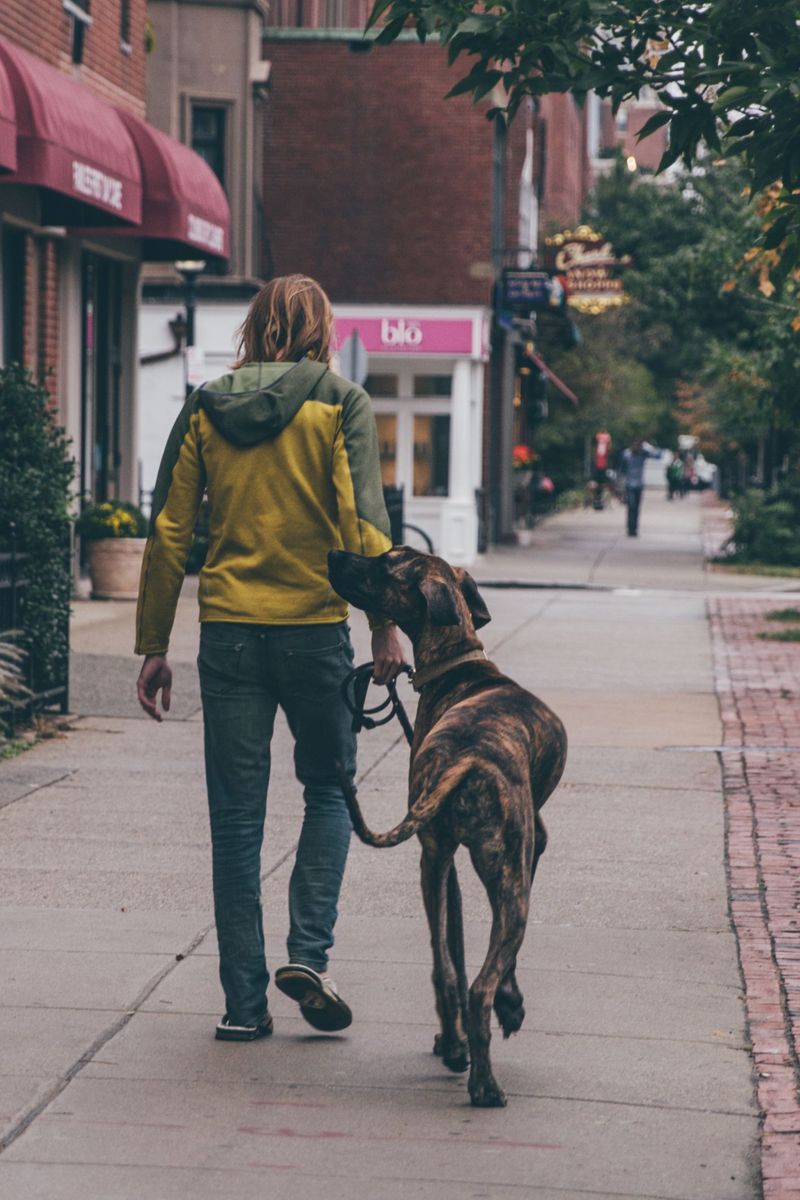
Plenty of owners assume Virginia has one leash law covering everyone. It does not.
The state leaves most leash decisions to counties, cities, and towns.
That means requirements can shift the moment you cross a jurisdiction line. Fairfax rules may differ from a rural county’s rules.
Before letting your dog roam off leash, check your locality’s ordinance. A quick call to animal control settles it.
State parks, however, do have their own leash requirement.
2. Four Months Old Means License Time

Puppies grow fast, and so does your paperwork list. Once a dog reaches four months of age in Virginia, licensing becomes required.
Licenses generally come from the local county or city treasurer’s office. Fees vary by locality, and some offer multi-year options.
You will usually need proof of a current rabies vaccination first. Setting a phone reminder around your puppy’s four-month birthday keeps everything simple and stress free.
3. Rabies Shots Become Mandatory, Not Optional
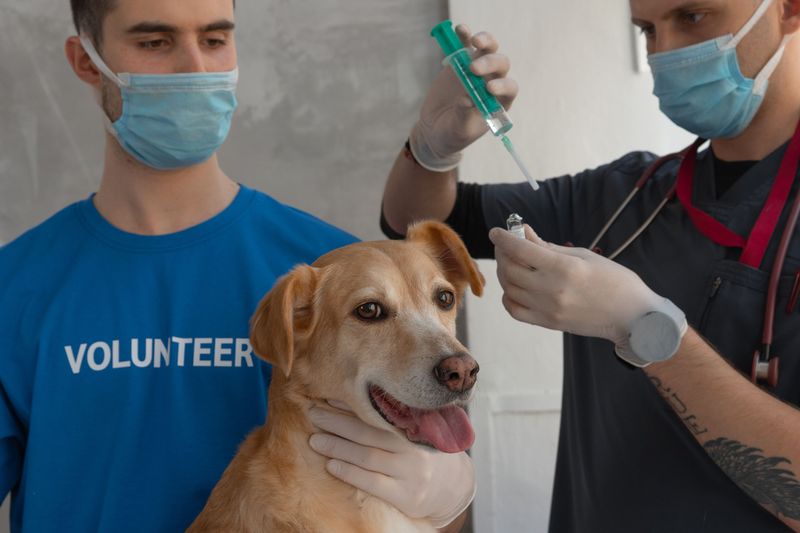
Virginia treats rabies vaccination as a legal duty for dogs and cats four months or older. There is no wiggle room for house pets who never go outside.
After the first shot, revaccination follows the vaccine manufacturer’s schedule. That is commonly every one or three years.
Hold onto the certificate your vet provides. You will need it for licensing, boarding, and any bite investigation that comes up.
4. That Tag Belongs On The Collar

Buying the license is only half the job. Virginia expects the tag to be fastened to a substantial collar and actually worn by the dog.
Some sensible exceptions exist. Lawful hunting, dog shows, confinement at home, immediate owner control, or a skin condition worsened by a collar can all apply.
A worn tag helps strangers reunite a lost dog with you quickly. Consider it cheap insurance against a long night of searching.
5. Found A Stray? The Clock Starts Ticking
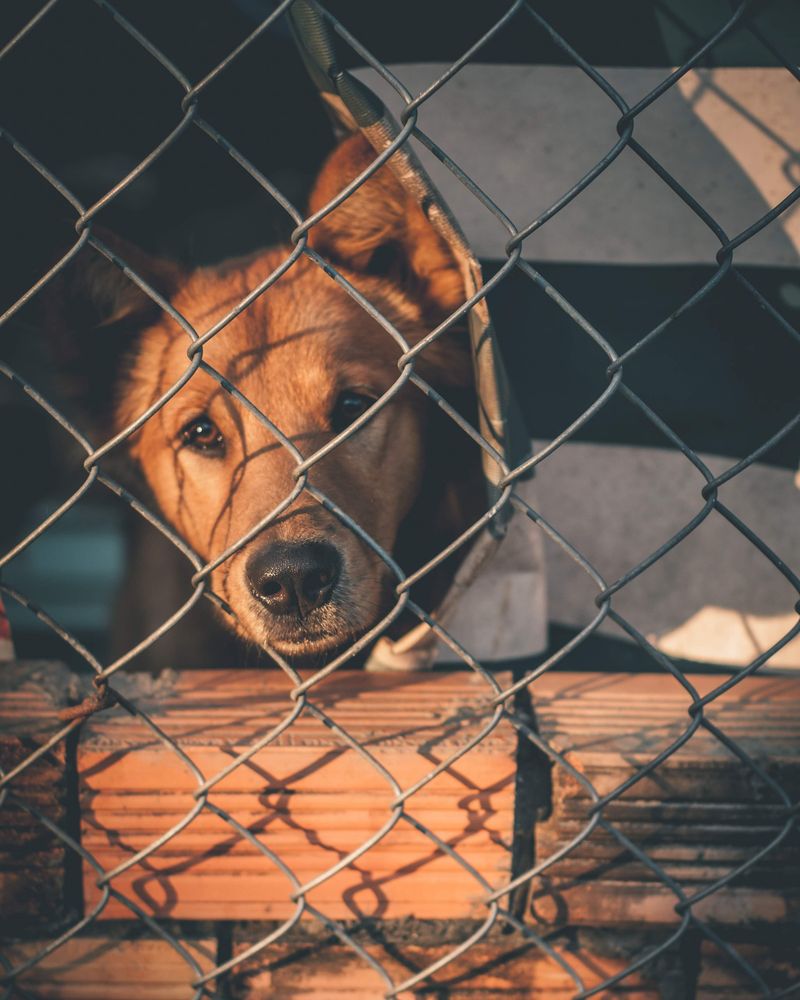
Kindness has a paperwork step attached. If you take in a found companion animal, Virginia gives you 48 hours to act.
Within that window, you must try to notify the owner when identifiable. You also must notify the public animal shelter serving the area where you found the animal.
Skipping the notification can bring a civil penalty. One phone call protects both you and a worried family somewhere nearby.
6. Abandonment Has A Four-Day Definition

Most people picture abandonment as driving away and leaving a dog behind. Virginia’s definition reaches further than that.
Deserting an animal without securing another owner or custodian counts. So does failing to provide basic care for four consecutive days.
Animal abandonment is a Class 1 misdemeanor. If a trip or emergency pulls you away, arrange a sitter, a boarding stay, or a trusted neighbor first.
7. Exercise And Vet Care Are Legal Duties

Here is a detail that surprises people. Virginia’s definition of adequate care includes veterinary attention when needed to prevent suffering or health problems.
Adequate exercise gets a definition too. The animal needs enough opportunity to move and maintain normal muscle tone and mass.
Daily walks and yearly checkups are not just good habits. They line up directly with what state law describes as responsible animal husbandry.
8. Tether Length Comes With Real Numbers

Virginia does not leave tethering to guesswork. A tether must be at least 15 feet long, or four times the animal’s length, whichever is greater.
Length is measured from the tip of the nose to the base of the tail. Grab a tape measure and check yours.
Some localities add stricter rules, including daily time limits. Your county ordinance may go beyond the state minimum, so confirm locally.
9. Weather Can Cancel Outdoor Tethering

Temperature changes what the law allows. Outdoor tethering does not count as adequate shelter at 85 degrees Fahrenheit or higher, or 32 degrees or lower.
The same applies during a heat advisory, hurricane, tropical storm, or severe weather warning. Effective temperature matters, not just the number on the thermometer.
Virginia summers get sticky and winters get sharp. When conditions turn, bring your dog inside and skip the debate entirely.
10. Shelter And Bedding Standards Are Spelled Out
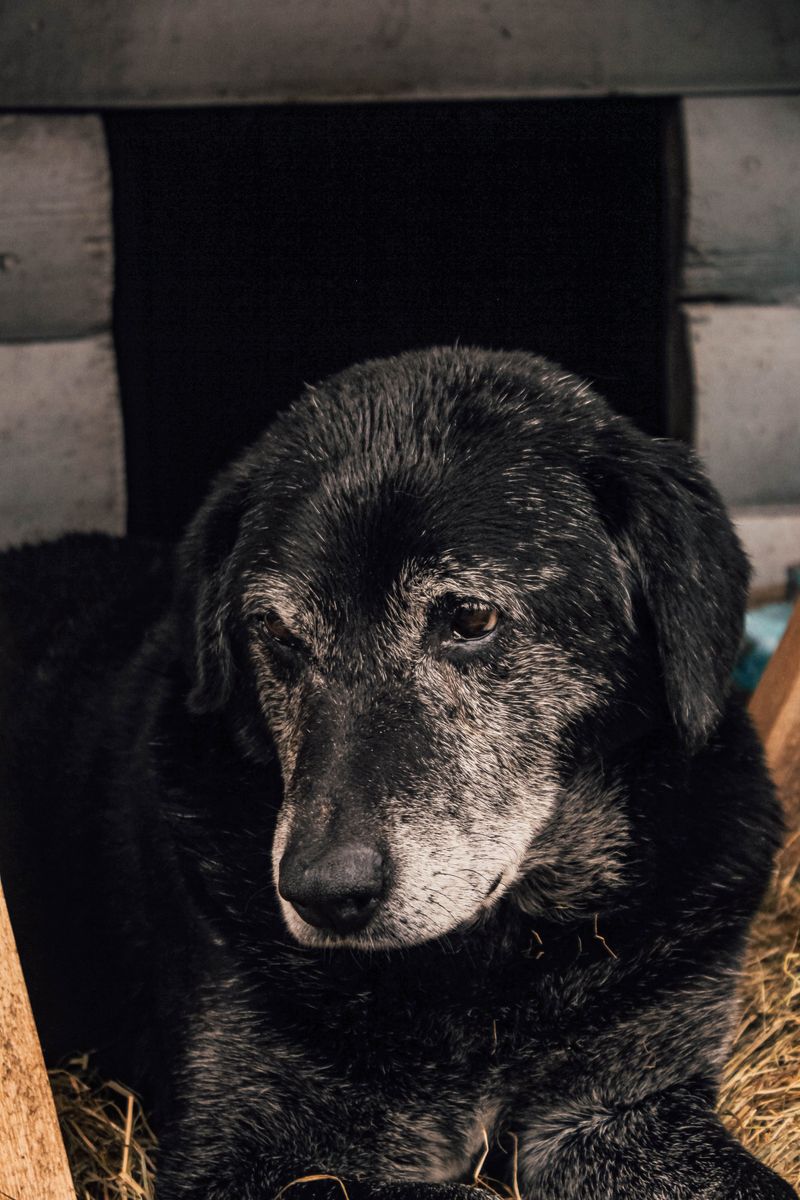
Adequate shelter is not simply any box in the yard. It must suit the dog’s species, age, size, condition, and type.
Protection from injury, weather, and extreme temperatures is required. In cold weather, the entrance needs a windbreak plus enough bedding, such as hay or cedar shavings, to hold body heat.
Wire, grid, or slat floors that hurt a dog’s feet do not qualify. Solid, dry flooring is the safer choice.
11. Sick Dogs Cannot Roam Freely

Contagious illness changes your responsibilities. Virginia prohibits owners from knowingly letting certain animals run at large in a quarantined county or portion of one.
Local governing bodies also hold authority to pass ordinances preventing rabies spread and controlling dogs running loose.
If your vet mentions something contagious, keep your dog contained and away from other pets. Ask directly how long isolation should last before normal walks resume.
12. After A Loss, Disposal Is Required

Grief is heavy, and the law still asks something practical of you. Virginia requires an owner to promptly cremate, bury, or sanitarily dispose of a companion animal’s remains.
If an owner does not act after notice, an animal control officer may handle it and recover the cost.
Many veterinary clinics offer cremation and burial services. Asking about options ahead of time spares you decisions during a difficult moment.
13. Adoption Usually Includes A Sterilization Agreement

Sign an adoption contract at a Virginia shelter or rescue, and sterilization is typically part of the deal. State law requires new owners of animals from a releasing agency to have them sterilized.
Sexually mature animals generally need surgery within 30 days of adoption. Younger ones need it within 30 days after reaching six months.
A veterinarian may grant an extension for health reasons. Keep your records handy either way.
14. Seven Weeks Before Puppies Leave Mom
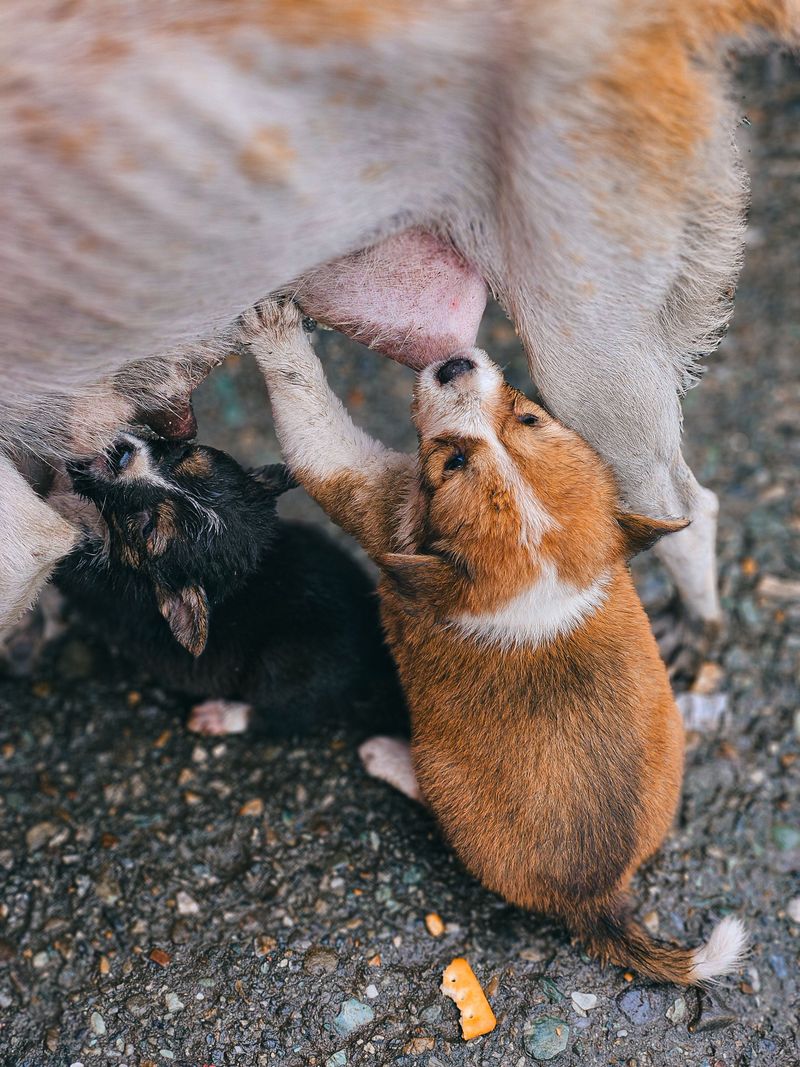
Breeders and casual litter owners both need to know this one. Virginia prohibits selling, raffling, or giving away unweaned puppies, or dogs under seven weeks, without the mother.
Limited exceptions exist, including health concerns or transfer to animal control, a shelter, or a veterinarian.
Those early weeks shape behavior and immunity. If someone offers you a five-week-old puppy, treat that as a reason to walk away.
15. Fake Service Dog Claims Carry Penalties

Passing off a pet as a service dog is not a harmless shortcut in Virginia. Knowingly misrepresenting a dog as a service or hearing dog is a Class 4 misdemeanor.
That includes using a special harness or false identification card. Fines can reach $250.
Genuine service dog handlers depend on public trust. Protecting that trust helps the people who truly need their dogs beside them every day.