What To Do If Your Dog Encounters A Porcupine On An Idaho Trail
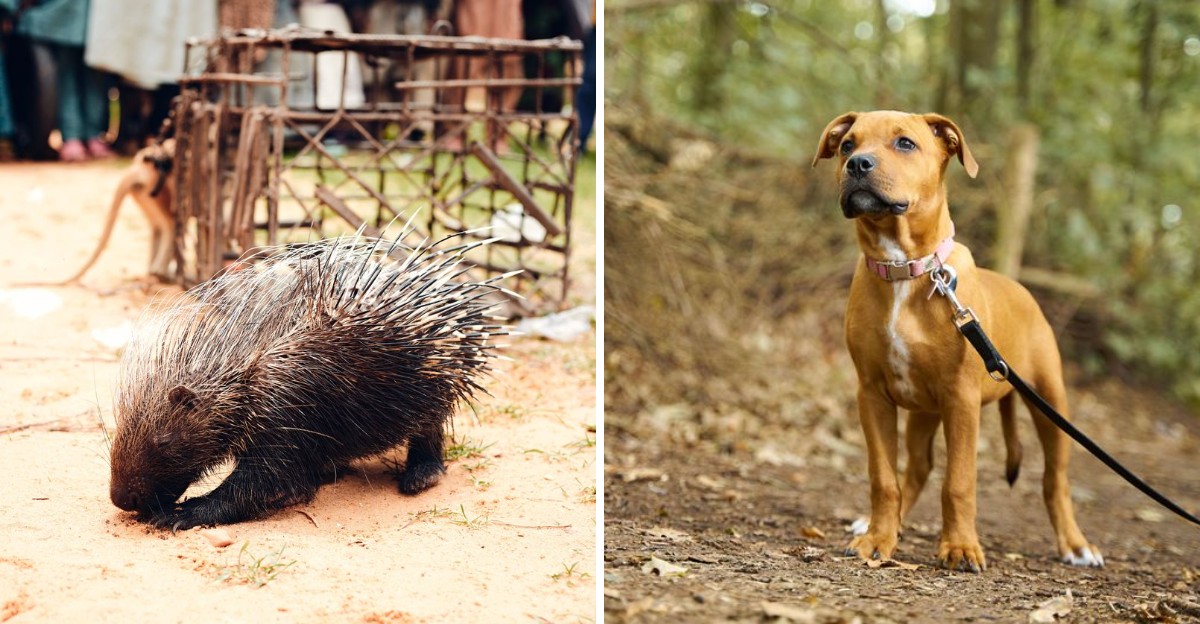
If you hike in Idaho with a dog, a porcupine meeting is a real possibility. It happens in the foothills, along river bottoms, and deep in the pines.
The good news is that a calm, informed owner can handle it well. Knowing the first few steps, and what to skip entirely, makes an enormous difference for your dog’s comfort and recovery.
Here is what every local dog owner should have tucked away, just in case.
1. Recognize the Signs of a Porcupine Encounter
A sudden yelp is often the first clue. Then you see your dog backing up, face dotted with thin white spines.
Quills look like pale needles with dark tips. They cluster around the muzzle, lips, or chest.
Some dogs paw at their mouth or shake their head hard. Others go quiet and still.
Porcupines rarely chase, so contact usually happens nose first. Noticing quickly gives you a head start that makes treatment simpler.
2. Keep Your Dog From Getting Closer
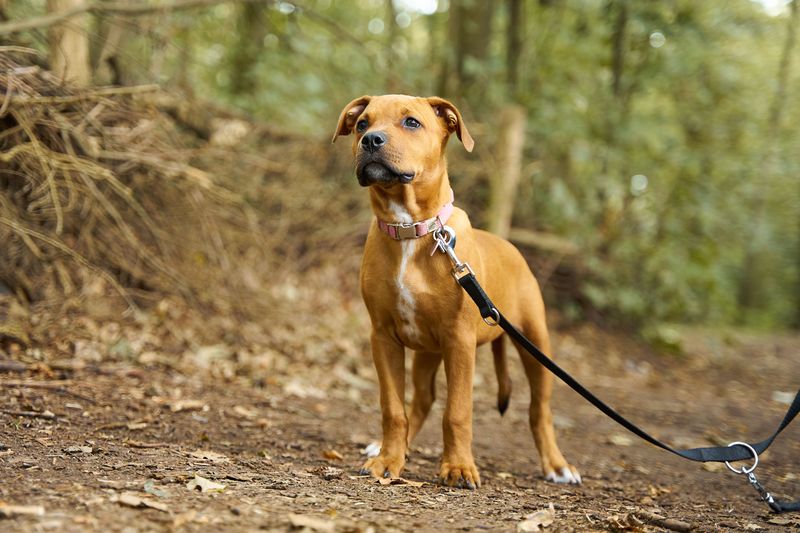
Instinct pushes many dogs to lunge again, even after the first sting. Step in calmly and put yourself between your dog and the animal.
Clip on the leash right away, then walk a safe distance up the trail. Repeat contact means more quills and a harder recovery.
A firm, quiet voice works better than shouting here. Porcupines will not pursue you, so moving away ends the encounter.
Keep your own hands clear of the quills too.
3. Never Pull Quills Out Yourself
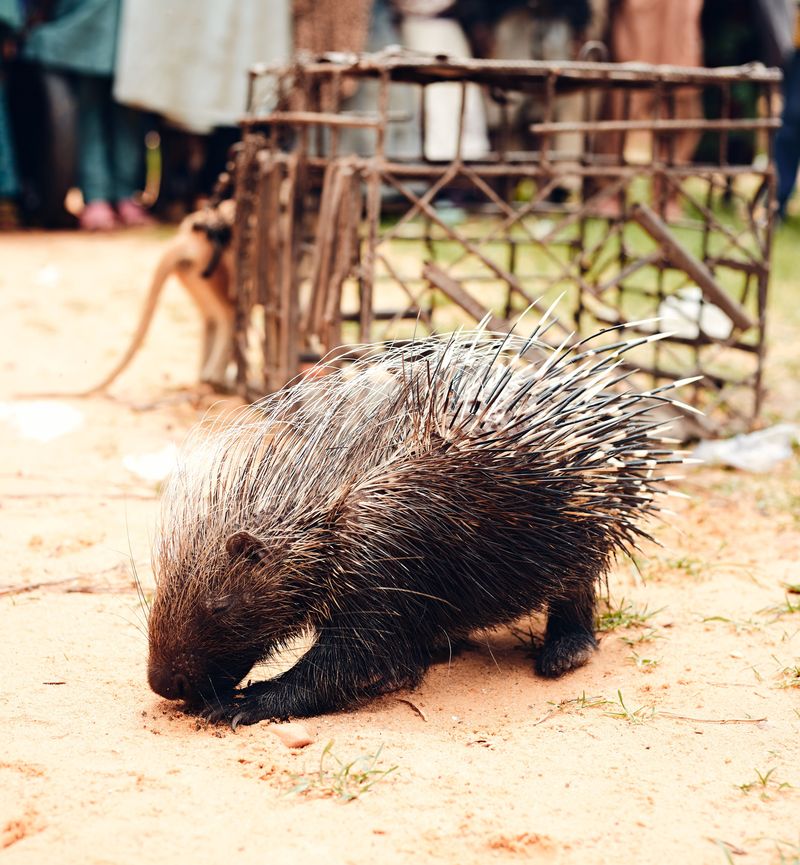
Home removal sounds helpful, but quills are barbed and can become firmly embedded in tissue. Trying to pull them out can cause additional tissue injury or break the quills.
Veterinary removal is recommended, particularly when quills are embedded in the face or mouth.
Most dogs also need sedation, since the process hurts and they will struggle. Veterinarians use proper tools, pain control, and a full mouth check.
Do not attempt to remove quills yourself, even if some appear loosely embedded. Keep your dog from rubbing or pawing at the area and have a veterinarian assess the quills.
Waiting for the clinic is the kinder choice.
4. Check Your Dog Carefully
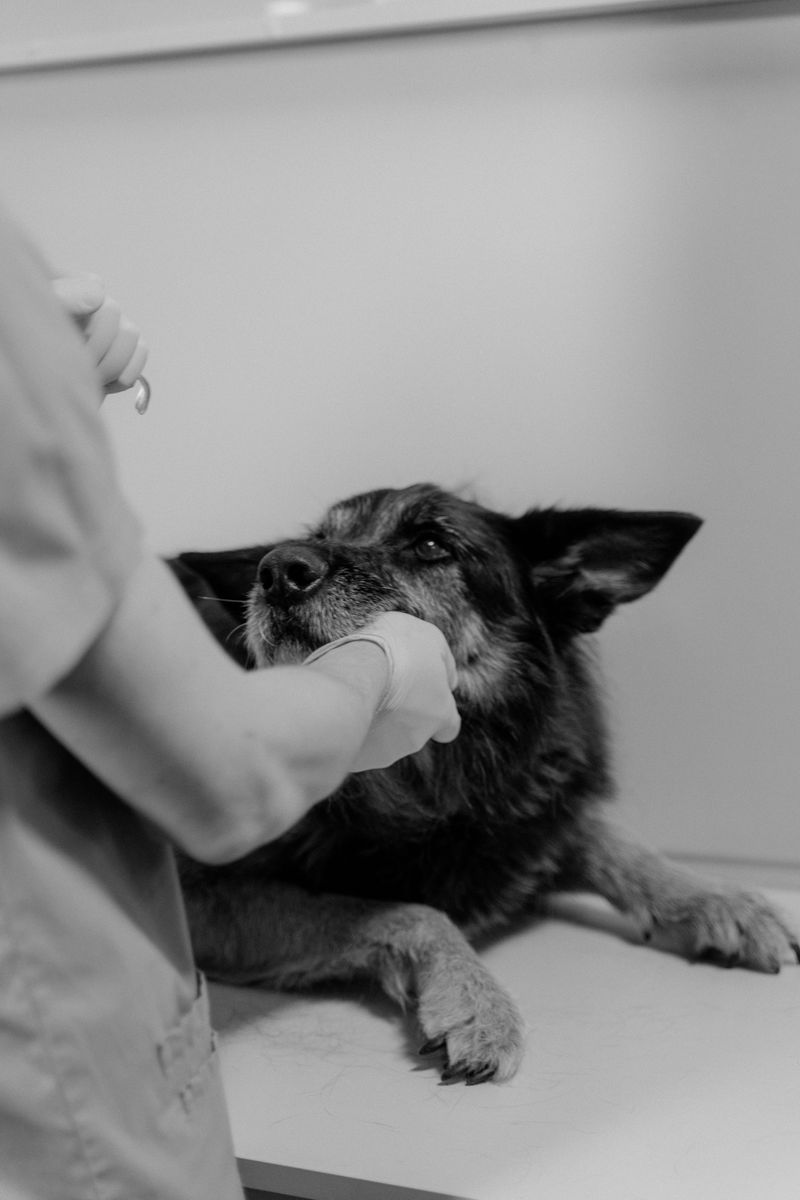
Once you are away from the animal, do a slow head-to-tail look. Run your eyes along the muzzle, lips, chest, front legs, and paw pads.
Lift the ears and peek under the collar. Count what you find and note the locations, because your vet will ask.
Photos on your phone help too. Use gentle handling only, since pressing on quills can push them deeper.
A calm inspection beats a rushed one.
5. Treat Facial Quills as Urgent
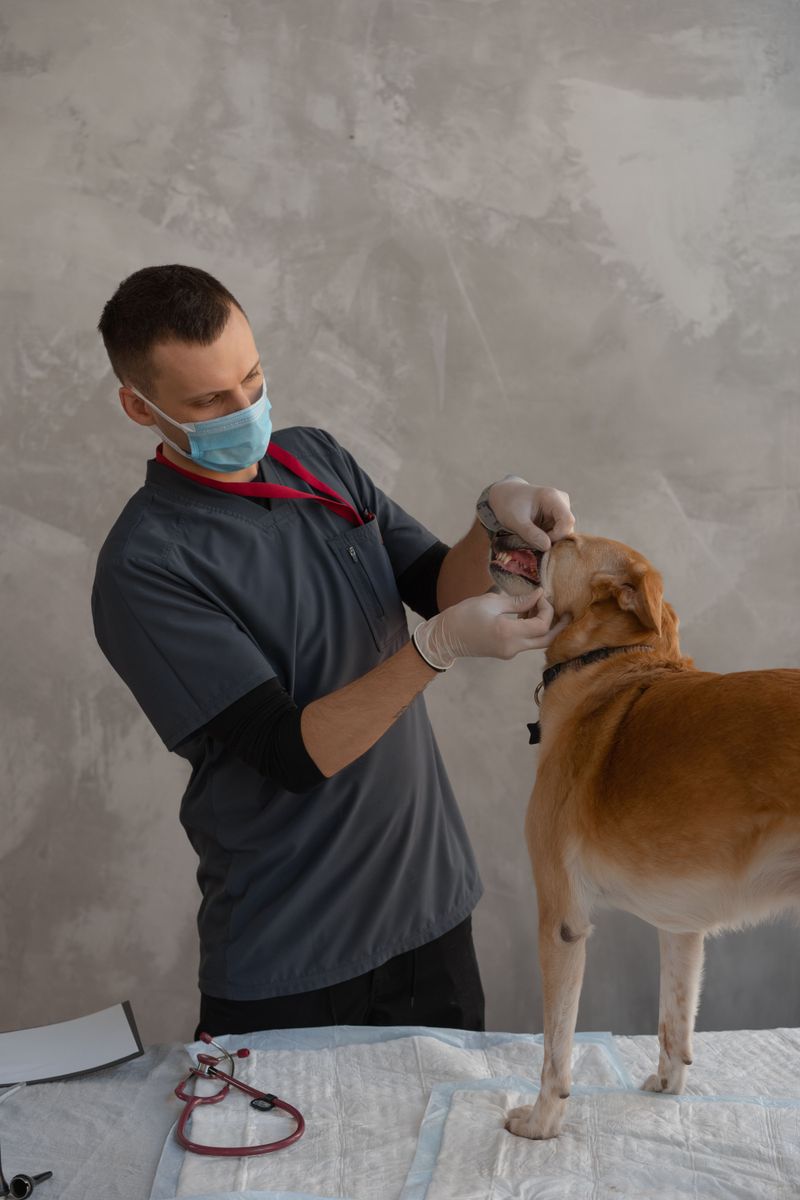
Facial quills need prompt veterinary attention. Quills around the eyes, nose, mouth, or throat can cause significant injury and may interfere with eating or breathing.
Even a few in the lips can hide more inside the mouth. Skip the temptation to open your dog’s jaws and dig around.
Head straight for veterinary help instead. Quick action protects vision, comfort, and normal drinking.
Call ahead so the team can prepare.
6. Get Veterinary Care Quickly
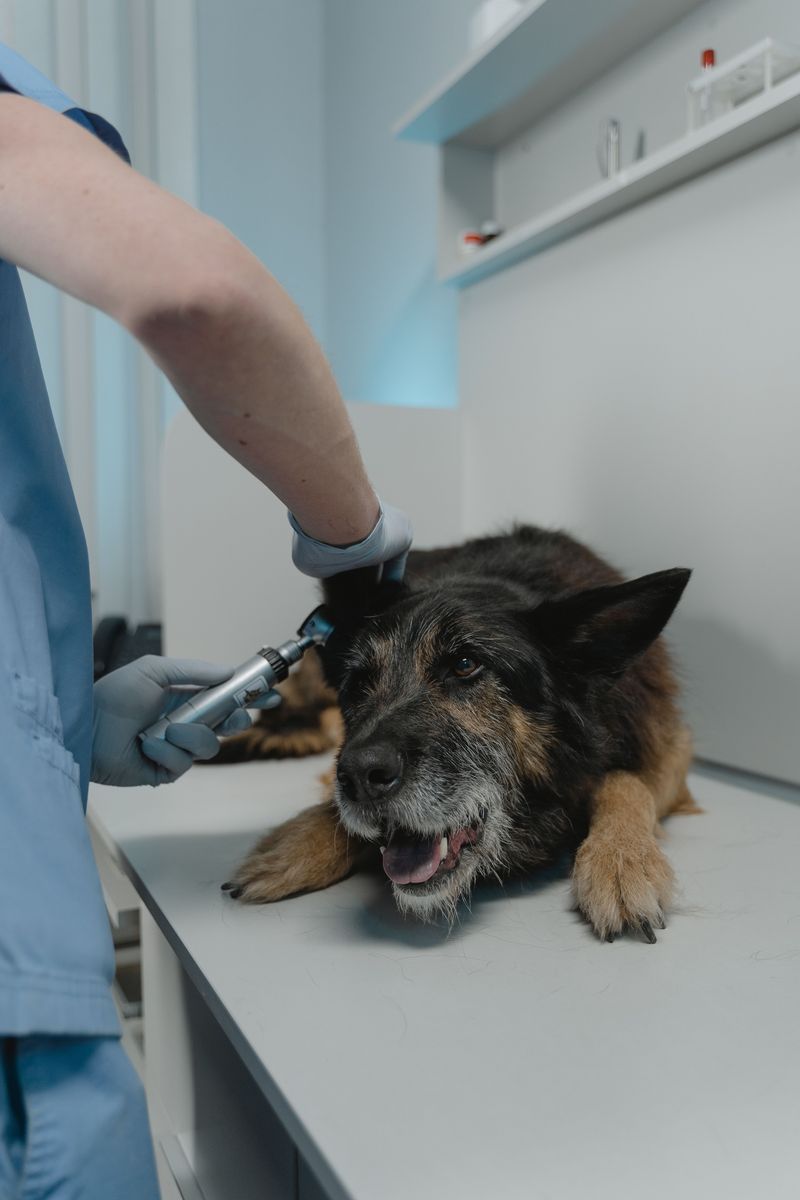
Prompt veterinary care is important after a porcupine encounter because quills can become more difficult to remove as time passes and can migrate farther into tissue.
Quills can migrate deeper over time, which complicates treatment. Call your regular clinic first and describe what happened.
If they are closed, ask about after-hours instructions or the nearest emergency hospital. In rural Idaho, that drive can be long, so plan your route immediately.
Ask staff whether sedation will be needed.
7. Do Not Let Your Dog Rub Its Face
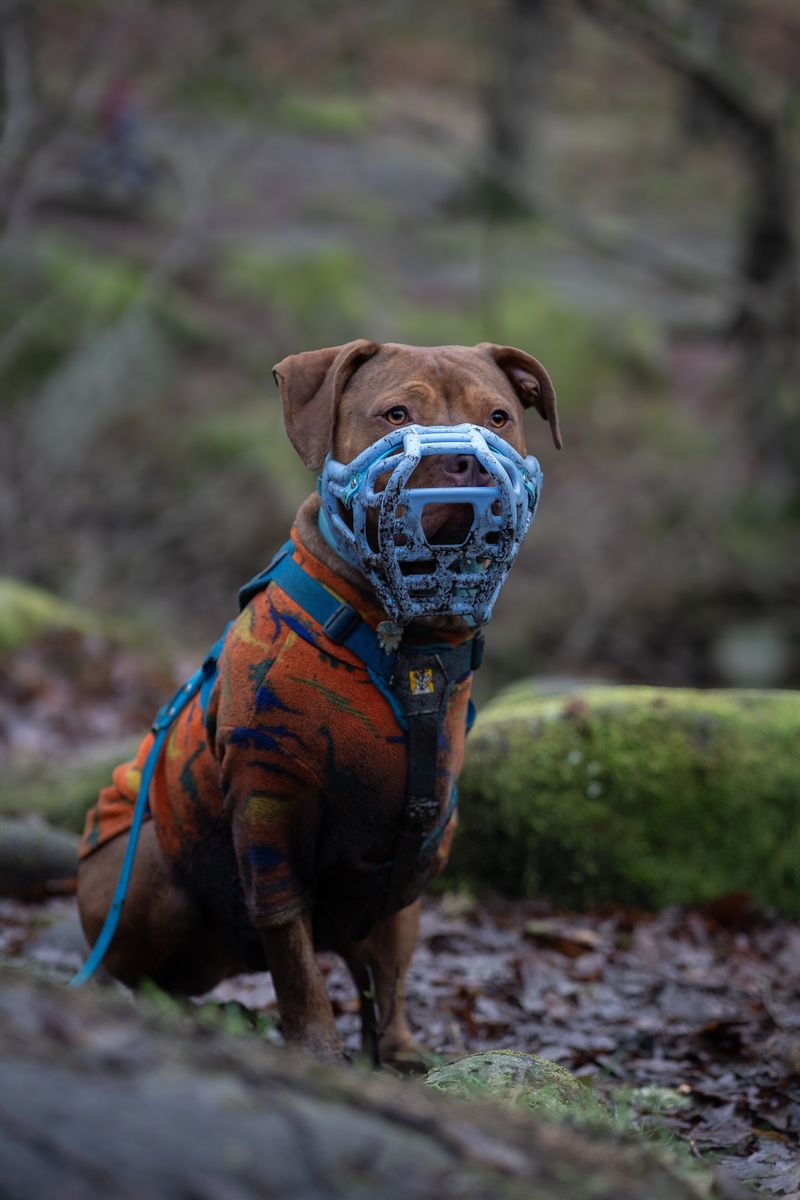
Rubbing feels natural to a dog, but it drives quills further in. Watch for pawing, ground-scrubbing, and rolling, then interrupt each attempt gently.
A leash and short lead give you control while you walk out. A cone may help prevent rubbing if your dog tolerates it, but avoid using a muzzle if it could interfere with breathing, swallowing, or safe transport to veterinary care.
Distraction with calm talk and slow walking helps as well. Less friction now means an easier appointment later.
Keep your hands off the quill tips.
8. Watch for Quills You Cannot Easily See
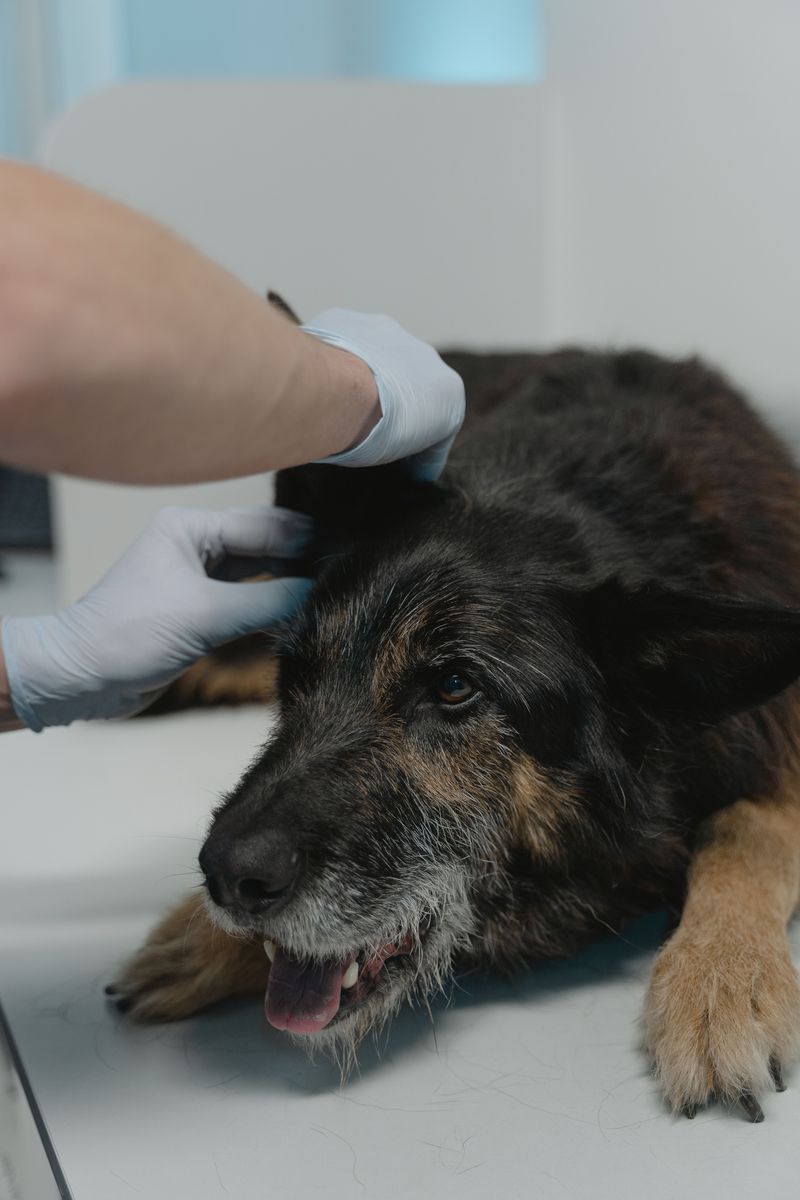
Thick coats hide a lot, especially on double-coated breeds and long-haired dogs. Quills can tuck between toes, inside armpits, under the tail, or along the chest.
Days later, you might feel a small firm lump or notice tenderness. Swelling, limping, licking one spot, or an appetite change deserves a call.
Veterinarians may find quills that have migrated deeper into tissue, sometimes requiring follow-up care. Follow your veterinarian’s instructions for monitoring your dog after treatment.
Gentle grooming makes those checks easier.
9. Keep Your Dog Calm on the Trail
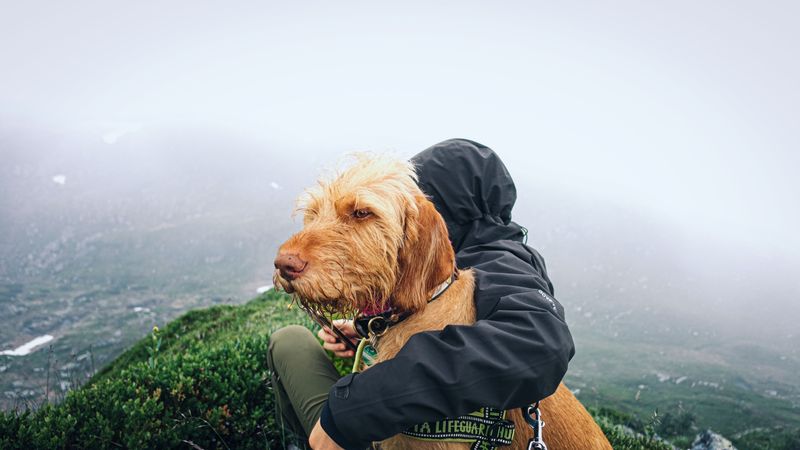
Panic works against you here, and dogs read your energy fast. Lower your voice, slow your movements, and offer steady reassurance.
Sitting with your dog for a minute can settle both of you. A frantic dog thrashes, and thrashing pushes quills deeper.
If your dog will walk, keep the pace easy and the leash short. For small dogs, carrying them out may be gentlest.
Water in small sips can help, if your dog drinks easily.
10. Be Aware That Quills Can Break
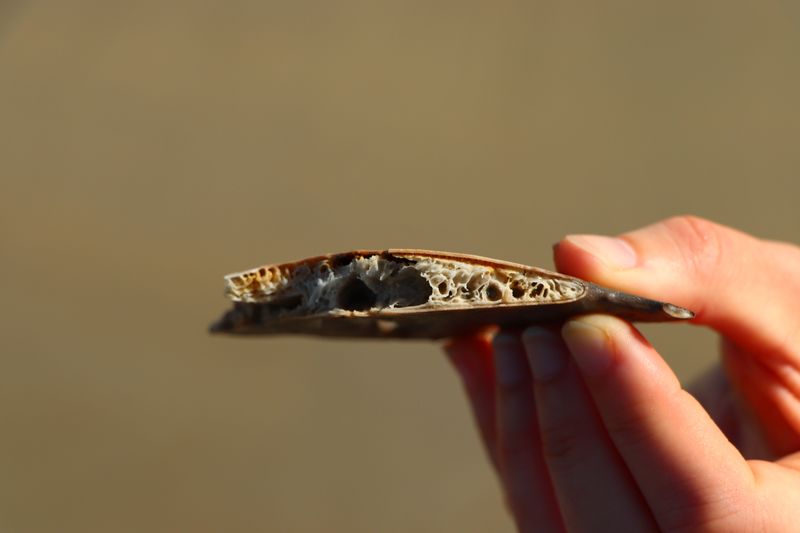
Here is the detail many people miss: quills are hollow and fairly brittle. A broken shaft can leave a fragment under the skin with no visible end.
Broken quill fragments can migrate through tissue and may cause problems later, which is another reason to have embedded quills removed by a veterinarian.
Mention any snapped quills you noticed on the trail. Your vet can plan a careful search and a recheck.
Saving a broken piece in a bag helps.
11. Know Idaho’s Porcupine Habitats

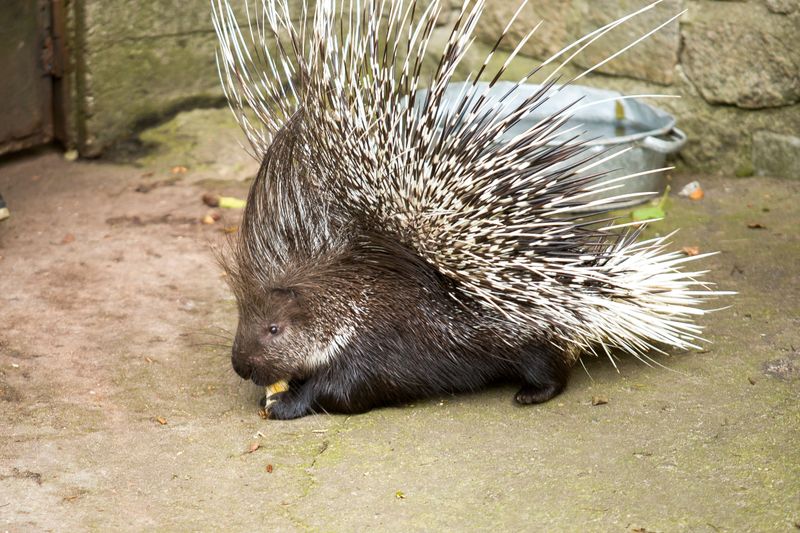
North American porcupines live across much of Idaho, from forested foothills to river corridors. They favor pine, fir, and aspen stands, plus willow thickets near water.
Look for them in Panhandle forests, Sawtooth country, and along canyon rims. Most activity happens at dusk, night, and early morning.
Chewed bark high on tree trunks is a common sign. They also rest in rock crevices and hollow logs.
Knowing likely ground helps you choose leash time.
12. Use a Leash in Wildlife-Rich Areas
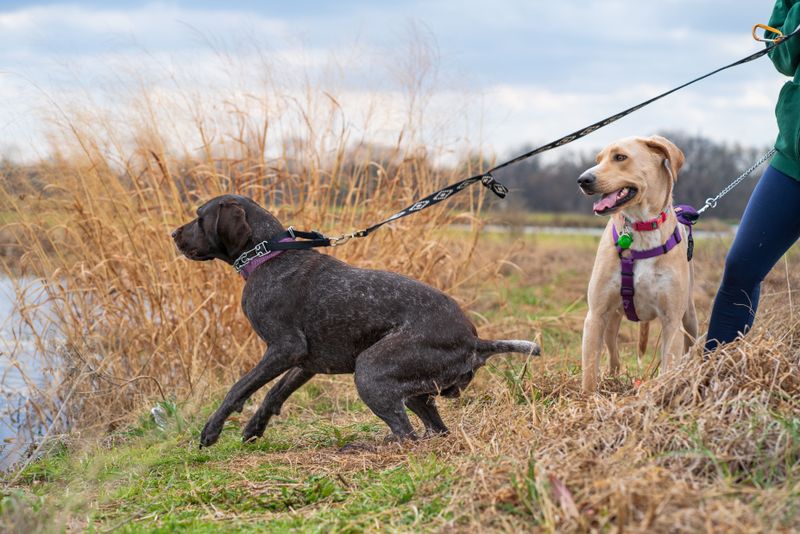
Leash rules differ by trail system in Idaho, so check the posted signs. Many city parks and popular trailheads require leashes, while some forest roads do not.
Regardless of the rule, a leash is your best tool at dawn and dusk. Six feet gives control without crowding your dog’s sniffing.
Long lines work in open terrain, though they tangle in brush. Rules can change seasonally.
Confirm requirements with the managing agency before you go.
13. Stop the Chase With a Reliable Leave-It Command
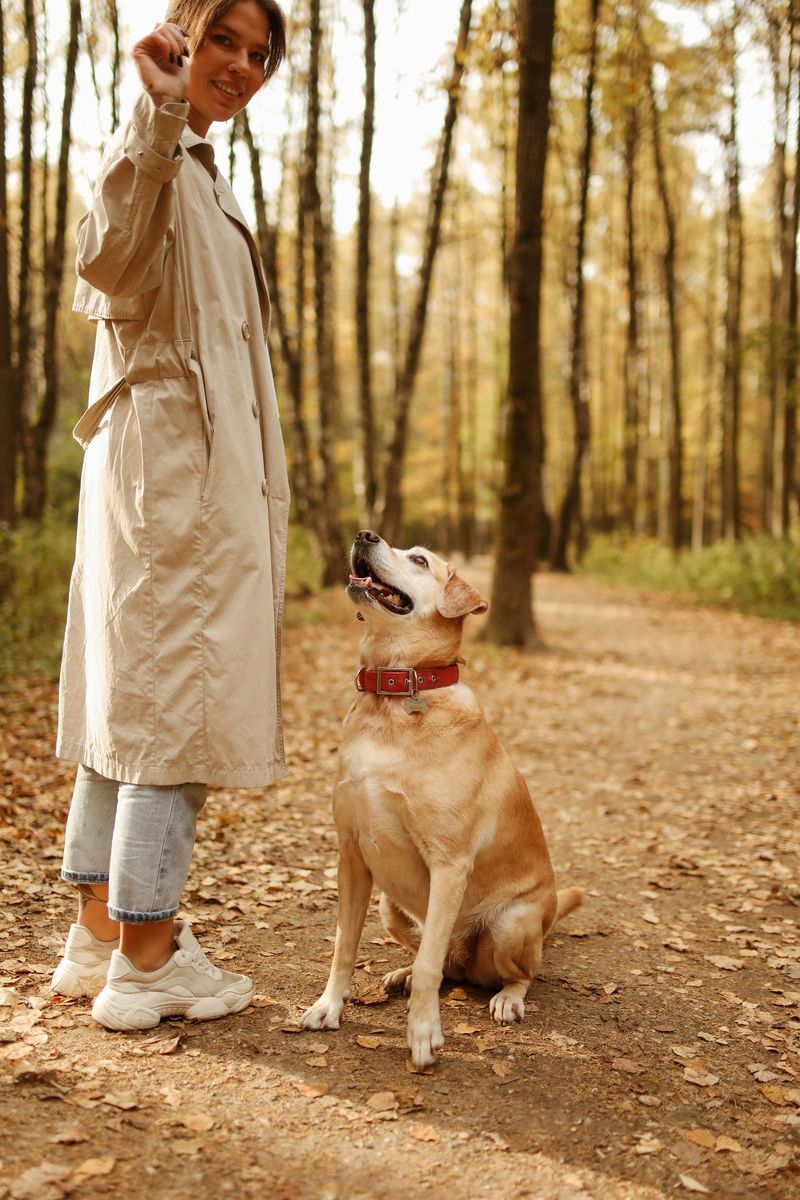
Chasing is the doorway to most quill incidents, and training closes it. Teach leave-it at home with treats, then practice on quiet walks.
Reward the moment your dog turns back toward you. Add distractions slowly, building up to squirrels and rustling brush.
A recall whistle gives you a second layer of safety. Short daily reps beat long sessions, and consistency holds under real trail excitement.
Until it is solid, keep the leash on.
14. Do Not Assume Your Dog Is Fine
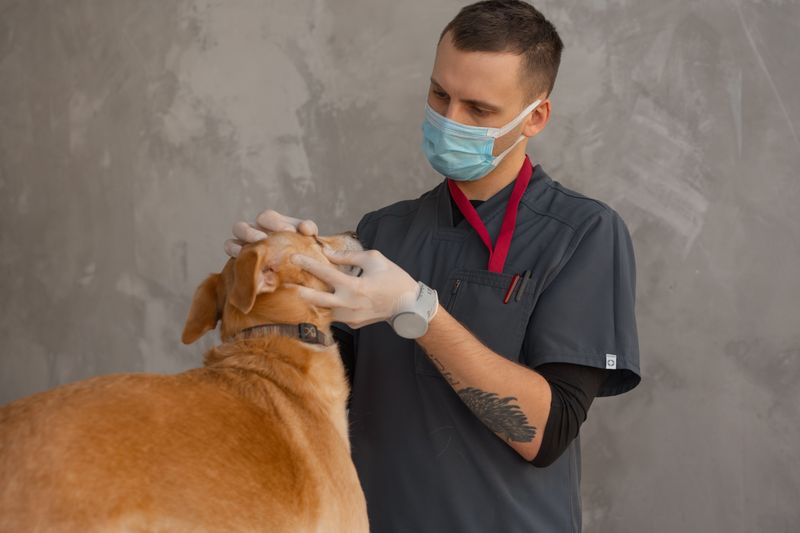
A dog that shakes it off may still need a look. Only one or two visible quills can mean several hidden ones.
Mouth quills are easy to miss without proper restraint and lighting. Watch for drooling, head shyness, reduced appetite, or reluctance to chew.
Any of those signs warrants a call to your veterinarian. Stoic breeds hide discomfort especially well.
Trust the exam, not the wagging tail.
15. Know When an Emergency Clinic Is Needed

Some situations should not wait for morning office hours. Quills in or near the eye, heavy mouth involvement, or labored breathing all count.
Large numbers of quills and a dog in obvious distress also qualify. Save numbers for the closest 24-hour hospital in Boise, Meridian, Idaho Falls, or Coeur d’Alene.
Many rural areas rely on on-call vets instead. Program those contacts into your phone.
Cell service can be spotty, so write them down too.
16. Carry Basic Trail Supplies
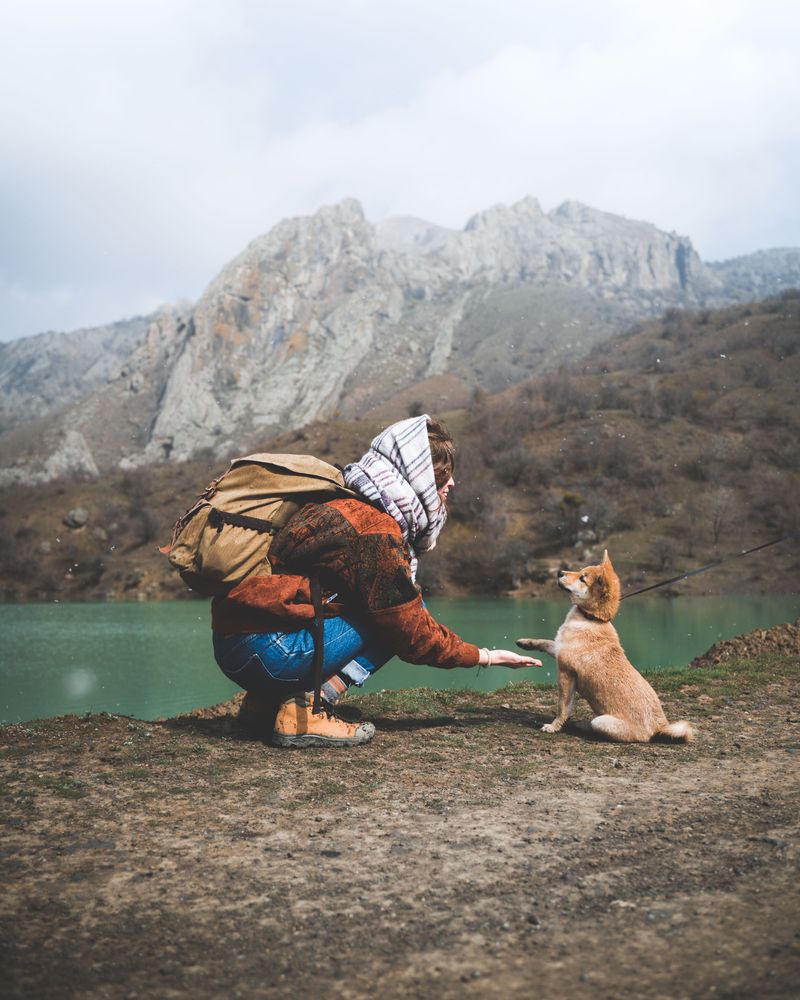
A small kit turns a stressful moment into a manageable one. Pack a spare leash, blunt scissors, gauze, and sterile saline for rinsing.
Add a soft muzzle, treats, and a lightweight blanket for carrying a smaller dog. Some owners include needle-nose pliers, though a vet should guide their use.
Store a downloaded map and clinic numbers on your phone. Water for both of you matters, and a quick kit check each spring helps.
17. Give Porcupines Plenty of Space

Porcupines are slow, mild-mannered plant eaters with no interest in a fight. They cannot throw quills, despite the old stories.
Contact is what causes injury, so distance solves the problem. Back away quietly, keep your dog leashed, and take a wide detour.
Give the animal at least fifty feet if terrain allows. Respect goes both ways out there.
Stay alert, stay leashed, and enjoy the trail ahead.