What Michigan Dog Owners Should Know About Blastomycosis Near Damp Soil And Waterways
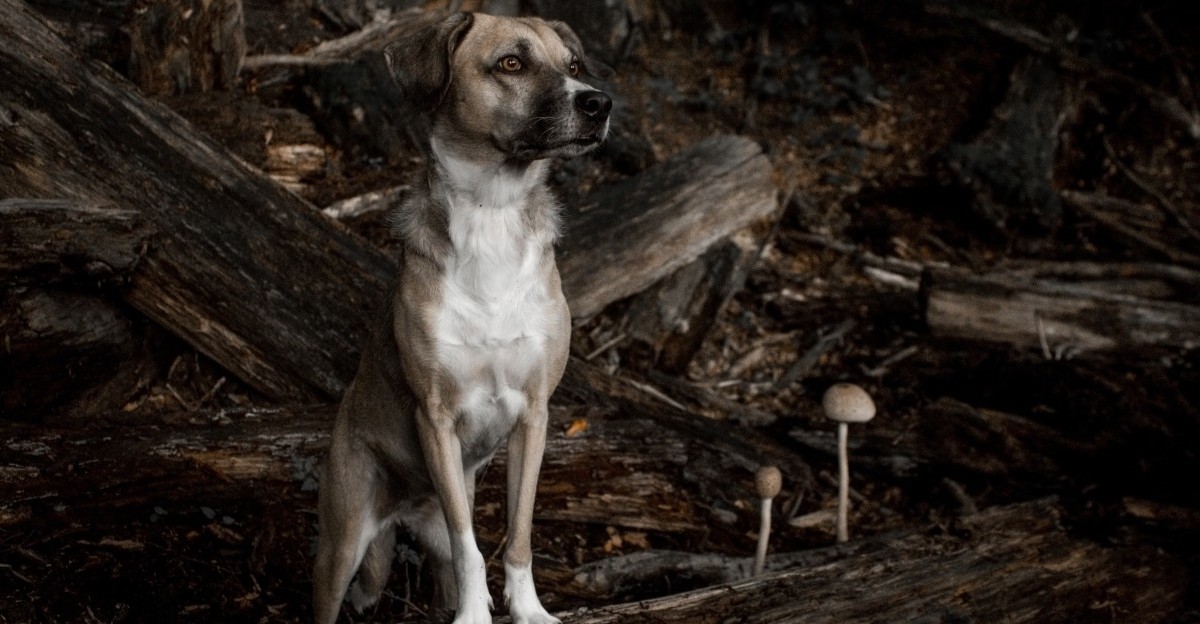
A muddy trail or lakeside walk is part of life for many Michigan dogs. Some damp places can also support Blastomyces, a fungus that may cause illness when dogs breathe in its spores.
You cannot spot the fungus during a walk, but you can learn where exposure may happen and which changes deserve a call to your vet. With a little awareness, you and your dog can keep enjoying the outdoors.
1. What Blastomycosis Is And How Dogs Become Exposed
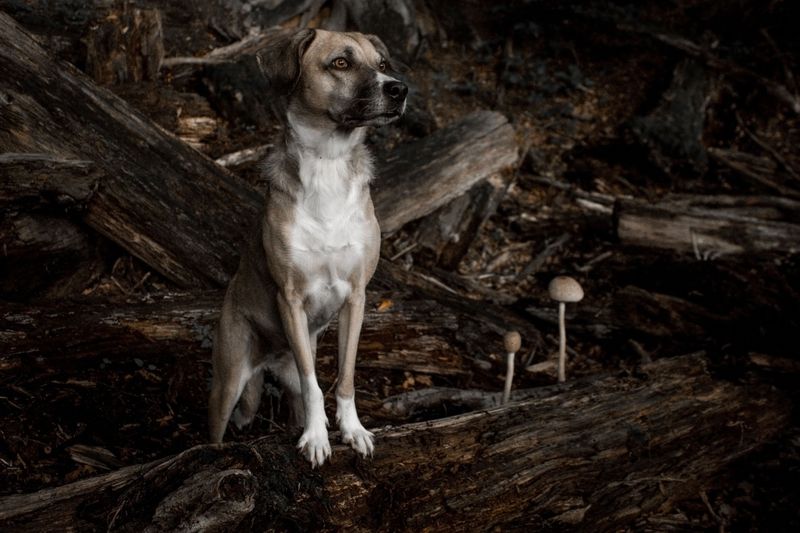
A walk through damp woods can bring a dog close to Blastomyces. This fungus lives in certain outdoor environments and can cause an illness called blastomycosis.
Dogs usually become infected by breathing in tiny spores released from the ground.
The illness often begins in the lungs and may affect other parts of the body. It does not usually spread directly between dogs or from dogs to people.
Knowing the usual exposure route helps you focus on outdoor conditions, not ordinary contact.
2. Why Damp Soil Can Harbor Blastomyces
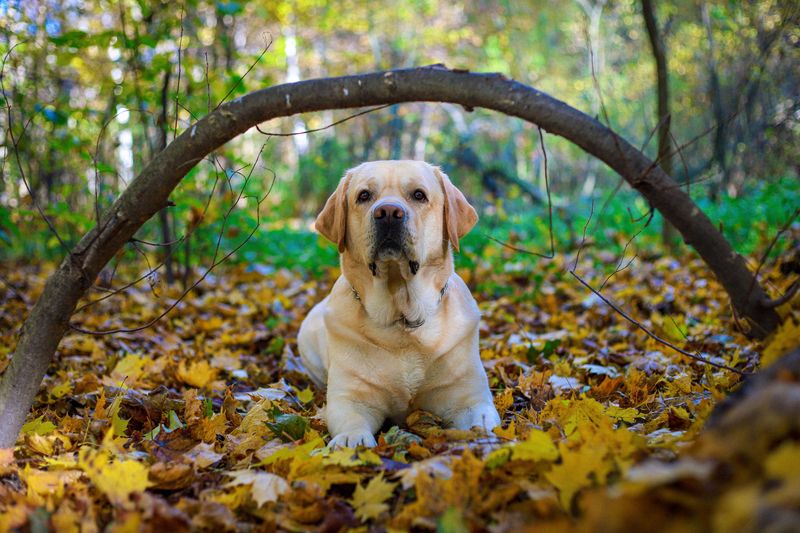
Fallen leaves hold moisture against the ground long after a rainstorm ends. Blastomyces is linked with moist soil and decaying plant material, though it does not grow everywhere these conditions exist.
Shady places with rich ground cover may offer the right setting.
A muddy patch alone cannot tell you whether spores are present. Rather than worrying about every wet footprint, notice where your dog spends time.
Staying on established paths can reduce contact with deeply disturbed, leaf covered soil.
3. How Waterways May Be Part Of The Exposure Picture
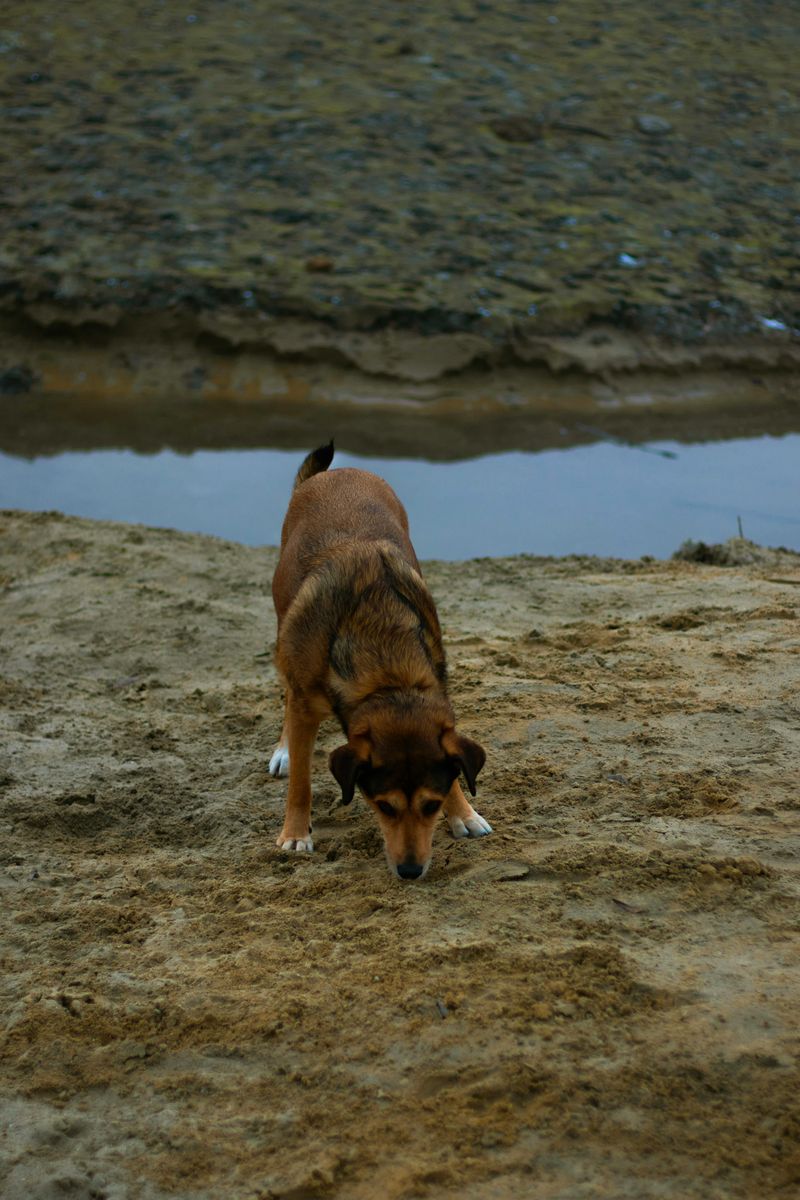
Riverbanks invite dogs to sniff every root, reed, and patch of mud. Blastomyces is associated with moist soil and decomposing plant material, including in some areas near waterways.
The concern is usually nearby soil and decaying material, not simply touching water.
A shoreline visit does not mean your dog has been exposed. Still, pay attention when play involves digging into wet banks or stirring up muddy ground.
Choose firmer paths when possible, and mention frequent waterway visits if your dog later becomes unwell.
4. Where Michigan Dogs May Encounter Blastomyces
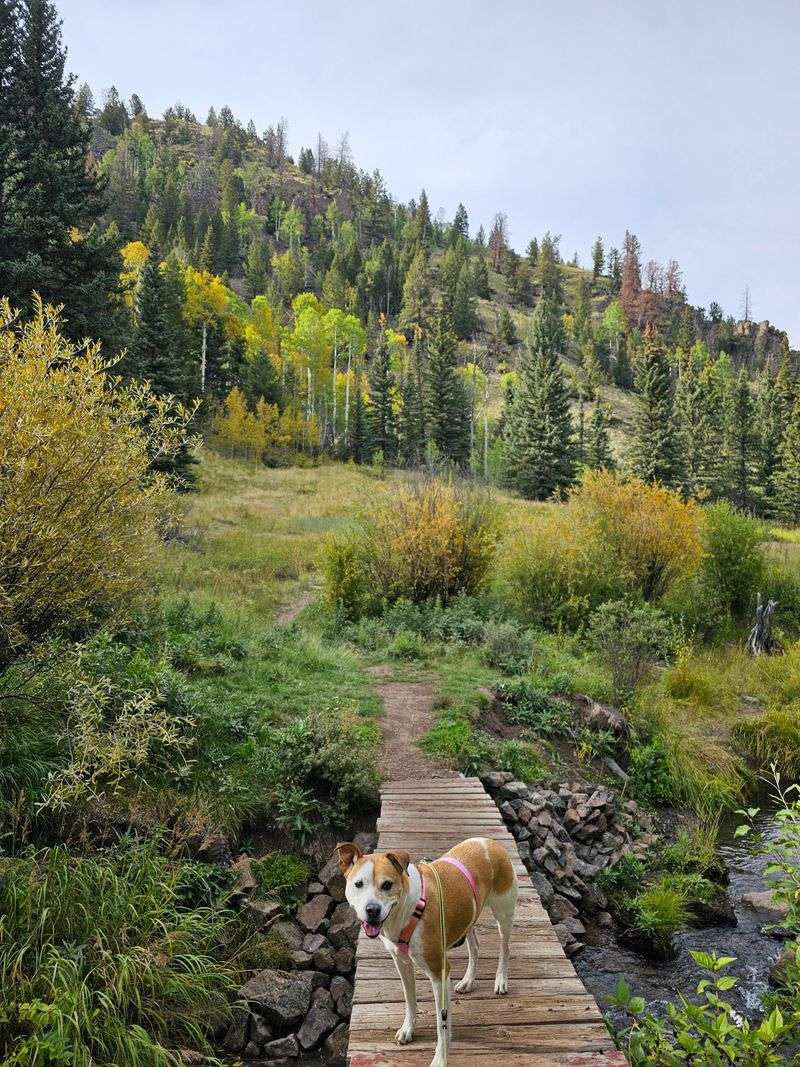
Michigan has environments where dogs may encounter moist soil and decomposing plant material associated with Blastomyces. Wooded trails and some areas near waterways may have these conditions, but the fungus is not present everywhere that the ground is damp.
The Great Lakes region is among the areas where blastomycosis occurs.
Risk is not limited to one county or a marked stretch of trail. A dog may also encounter the fungus while traveling outside Michigan.
Keep a note of wooded or waterside outings, including trips away from home. That history can help your veterinarian later.
5. How Dogs Inhale Blastomyces Spores
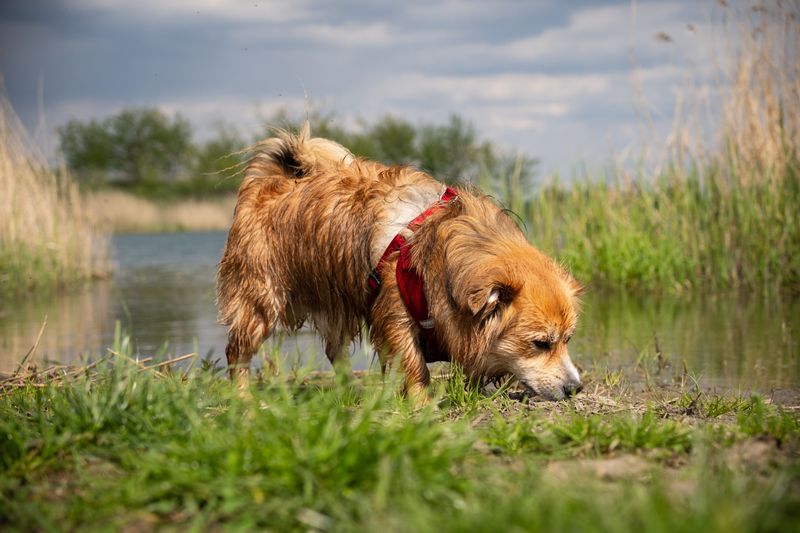
A dog’s nose stays close to the ground during most outdoor exploring. When soil containing Blastomyces is disturbed, tiny spores may enter the air.
A dog can breathe them in while sniffing, digging, or moving through the area.
Once inside the body, the fungus can change form and establish an infection. You cannot see individual spores floating around your dog.
Keep curious noses away from fresh excavations and dusty, disturbed banks when practical. Ordinary sniffing is not a reason to panic.
6. Why Outdoor Dogs May Face More Exposure
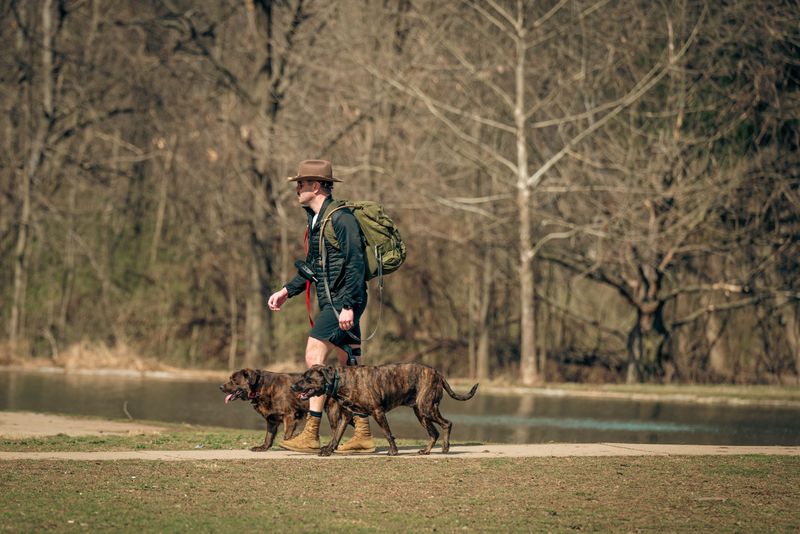
An eager trail partner may cover far more ground than the person holding the leash. Dogs that spend more time hunting, hiking, roaming, or digging have more chances to encounter disturbed soil.
Exposure depends on the setting, not a dog’s enthusiasm alone.
Indoor dogs are not automatically protected, since even brief outings can bring contact with suitable ground. You need not cancel outdoor fun.
Keep your dog within sight, choose maintained routes, and stay aware of changes afterward.
7. Common Early Signs Of Blastomycosis
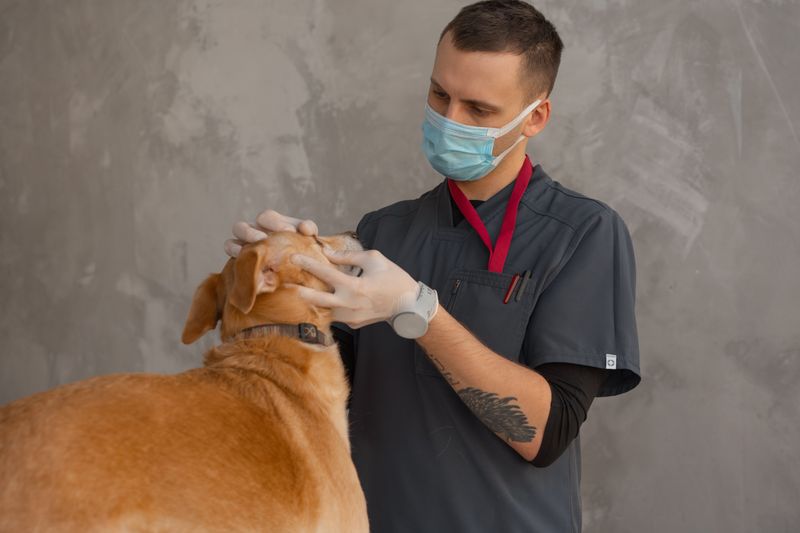
A dog that skips breakfast once may simply be having an off day. Blastomycosis can also begin with vague changes, including tiredness, poor appetite, fever, or weight loss.
Signs of blastomycosis can appear weeks after exposure and may be nonspecific.
No single early symptom proves a fungal infection. Watch for changes that continue, grow worse, or appear together, especially after time in damp outdoor areas.
Write down when each change began. A clear timeline gives your veterinarian a useful starting point.
8. Why A Persistent Cough Should Not Be Ignored
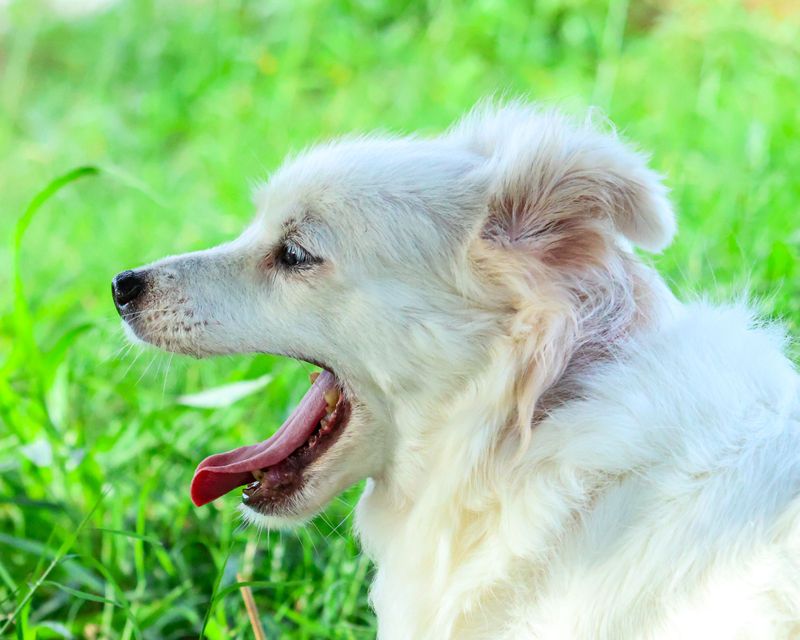
A cough that keeps returning deserves more attention than one brief throat clear. Blastomycosis commonly affects the lungs, and some dogs also breathe faster or work harder to breathe.
Many other illnesses can cause coughing, so a vet needs to assess the cause.
Call your veterinarian when coughing persists or comes with low energy, poor appetite, or weight loss. If breathing looks difficult, seek urgent veterinary care.
Describe recent trips near wet ground, even if they happened weeks ago.
9. Eye Problems That Can Occur With Blastomycosis
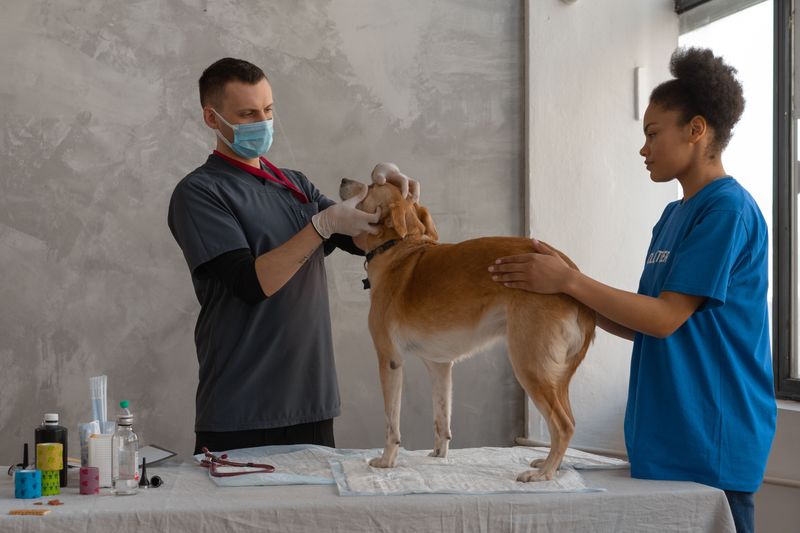
One squinting eye can change how a dog moves around the house. Blastomycosis may cause eye redness, swelling, discharge, or inflammation inside the eye.
Eye trouble can sometimes be more noticeable than a cough.
Contact your veterinarian promptly if your dog squints, avoids light, or seems to have trouble seeing. Do not use leftover eye medicine without veterinary advice.
Some products may be unsuitable for the problem. Quick examination helps protect your dog’s comfort and vision.
10. Skin Changes That May Need Veterinary Attention
A small patch that refuses to heal is worth a closer look. Dogs with blastomycosis may develop skin bumps, crusted spots, or areas that drain.
Similar changes can have many other causes, including ordinary skin infections.
Take a clear photo and note when the spot first appeared. Avoid squeezing it or applying treatments without guidance.
Arrange a veterinary visit if it persists, spreads, or appears alongside coughing or tiredness. A sample may help your vet find the cause.
11. How Blastomycosis Can Spread Beyond The Lungs
The lungs are often the first place blastomycosis takes hold. From there, the infection can reach other areas, including the eyes, skin, bones, and lymph nodes.
A dog might limp or develop swelling without an obvious injury.
Different signs can appear at different times, which makes the whole picture useful. Tell your vet about every change, even one that seems unrelated to breathing.
Prompt diagnosis gives your veterinarian more time to plan care and monitor affected areas.
12. When Outdoor Exposure Becomes A Reason To Call The Vet
After a muddy outing, a healthy dog needs no special test just because the ground was wet. Call your veterinarian if a lasting cough, unusual tiredness, poor appetite, eye trouble, or unexplained limp develops.
Mention recent outdoor activities when you call.
Seek urgent care if your dog struggles to breathe or suddenly seems unable to see well. Signs may take weeks to appear, so older outings still matter.
Your vet can decide whether an examination or testing makes sense.
13. How Veterinarians Test For Blastomycosis
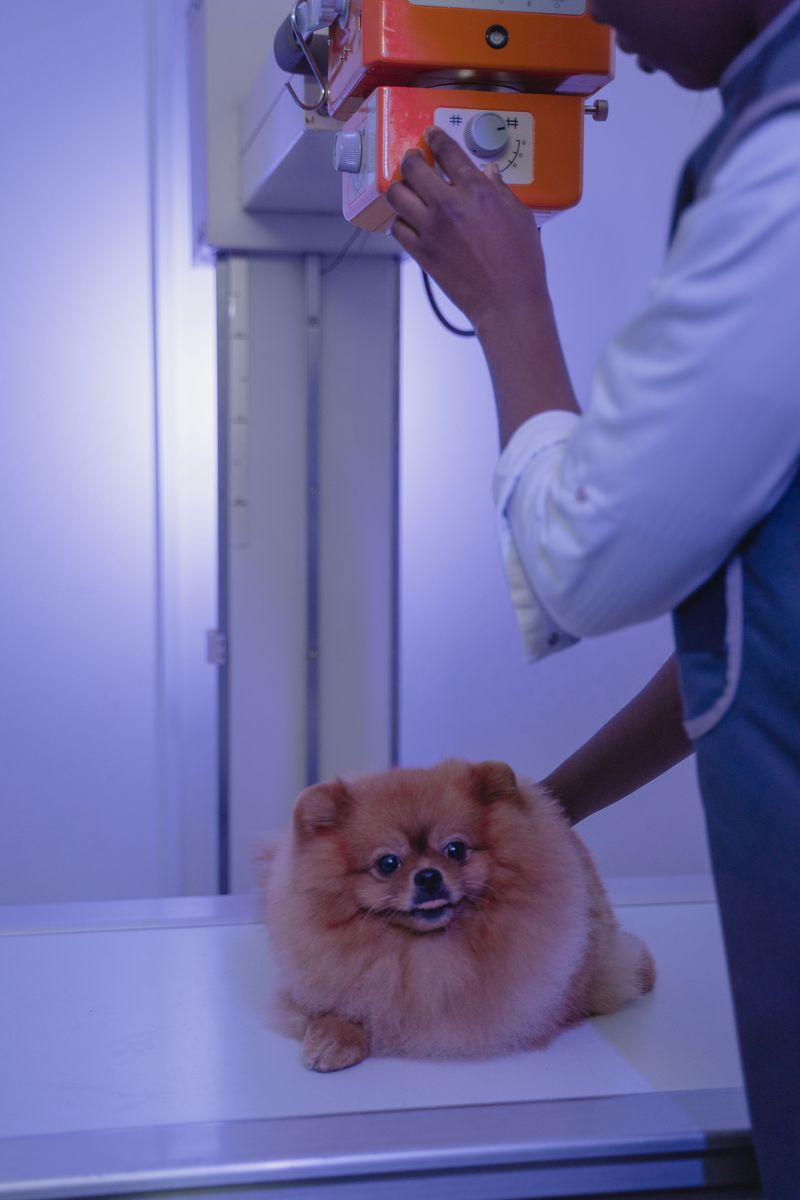
Veterinarians consider symptoms, examination findings, and exposure history when choosing tests. They may use chest X-rays and urine antigen testing, along with microscopic examination or other tests on samples from affected tissues.
Samples from affected skin or other tissue can sometimes show the organism under a microscope.
No single result tells the whole story in every case. Some fungal tests can react to related infections.
Your vet will interpret results alongside your dog’s signs and may suggest further testing. Ask what each test can show.
14. Why Blastomycosis Can Be Difficult To Recognize Early

A quiet change in energy rarely points to one clear answer. Early blastomycosis can resemble many common conditions, and signs may not appear until weeks after exposure.
Even a cough might first seem like a routine breathing problem.
That delay can make a muddy walk easy to forget. If symptoms persist, share your dog’s travel and outdoor habits instead of guessing at the cause.
A veterinarian can consider blastomycosis alongside other possibilities and decide what to check next.
15. What Dog Owners Can Monitor After Outdoor Adventures
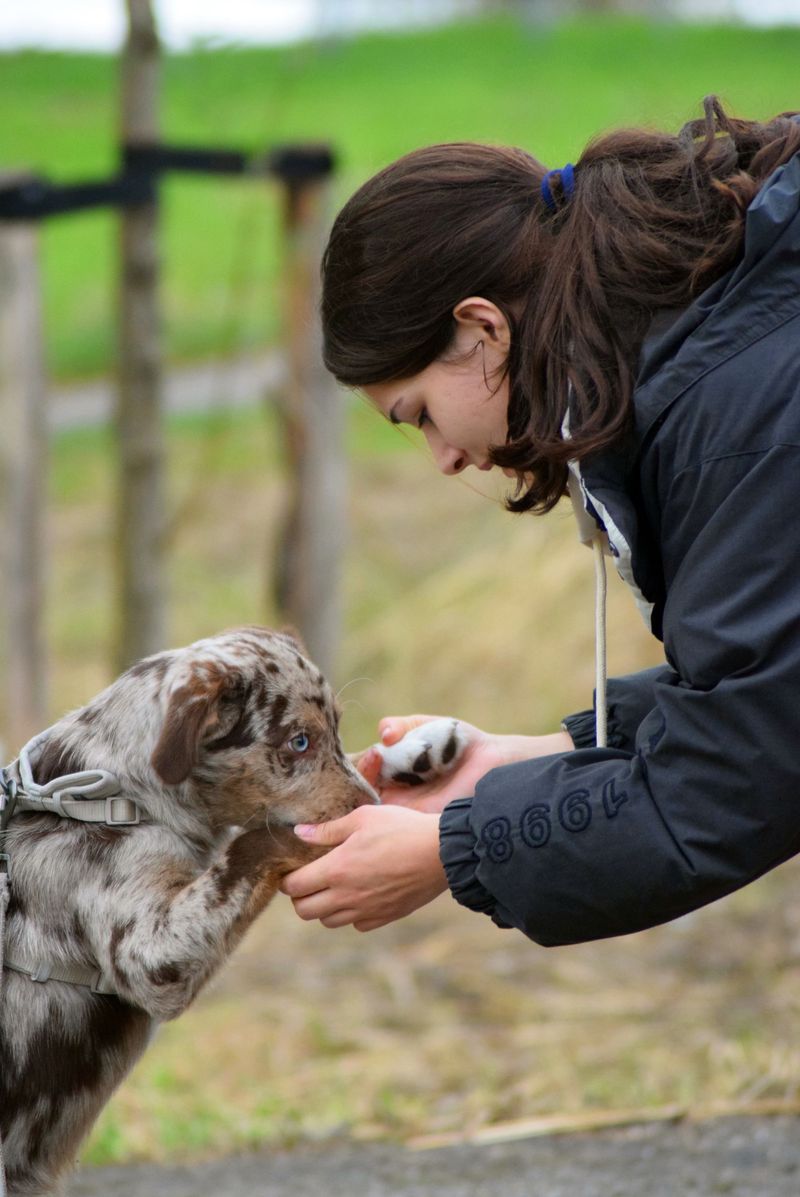
A quick check after a hike can become an easy habit. Notice your dog’s usual energy, appetite, breathing, and interest in play.
Glance at the eyes and skin, and watch for a new limp.
You do not need to inspect your dog for hidden spores. Focus instead on changes that last or grow worse over the following weeks.
Keep dates and photos when something seems different. Those simple notes can make a veterinary conversation clearer and more useful.
16. Why You Cannot Identify Blastomyces By Looking At Soil
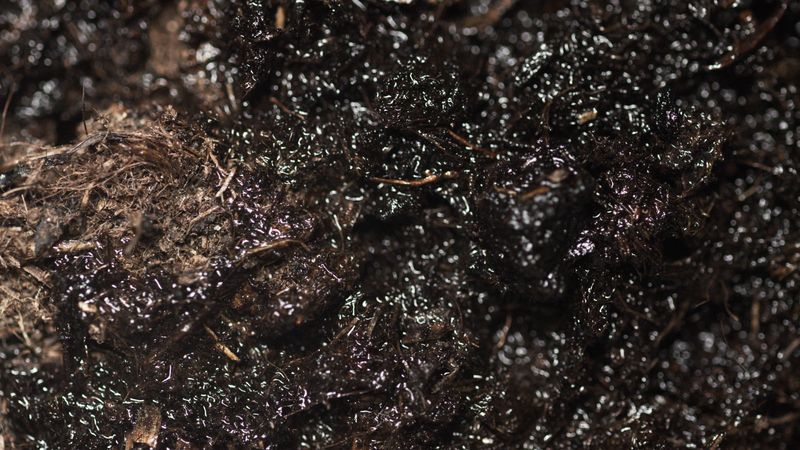
Dark mud, pale sand, and leafy earth can all look perfectly ordinary. Blastomyces spores are microscopic, so a visual check cannot confirm whether soil contains them.
A clean looking path does not guarantee an area is free of spores.
Routine soil testing is not a reliable way for dog owners to identify areas free of Blastomyces. CDC notes that there are no reliable environmental tests for Blastomyces, and a negative environmental sample does not necessarily mean the fungus is absent.
Most importantly, judge your dog’s health by its signs, not by how the ground looks.
17. What To Know About Dogs That Dig Or Disturb Soil

For a determined digger, a soft riverbank can feel irresistible. Digging and other ground disturbance may release spores if Blastomyces is present in that soil.
Sniffing close to disturbed earth may increase the chance of breathing them in.
Guide your dog away from fresh excavations, muddy banks, and deep piles of wet leaves when possible. Offer a toy or move along the trail rather than scolding.
No route removes every risk, but small choices can limit unnecessary exposure.
18. How To Talk With Your Veterinarian About Environmental Exposure
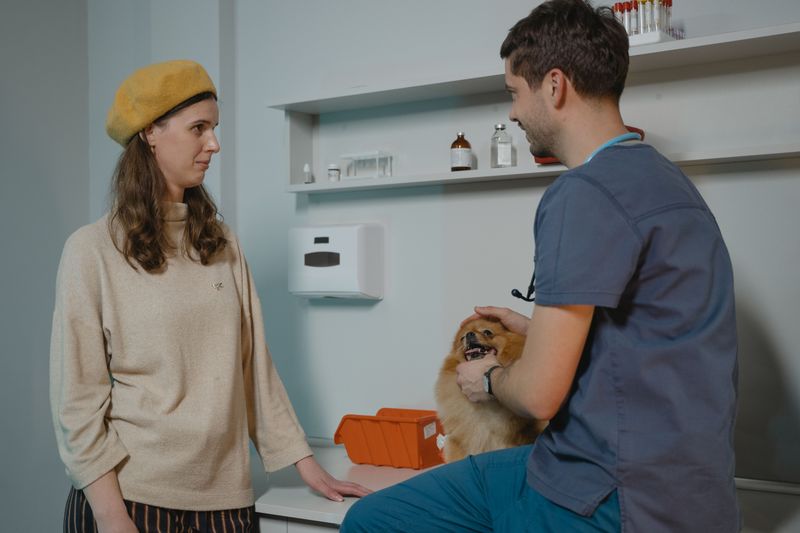
Bring the story of your dog’s recent walks into the exam room. Tell your veterinarian about wetlands, riverbanks, wooded trails, digging, and travel beyond Michigan.
Share when symptoms began and whether they have changed.
Even an outing several weeks earlier may be useful to mention. Ask whether blastomycosis belongs among the possible causes and what testing would clarify matters.
You do not need to solve the puzzle yourself. Good notes and a timely call help your vet guide the next steps.