15 Everyday California Dog Routines That Change Between The Coast, Central Valley, And Inland Deserts
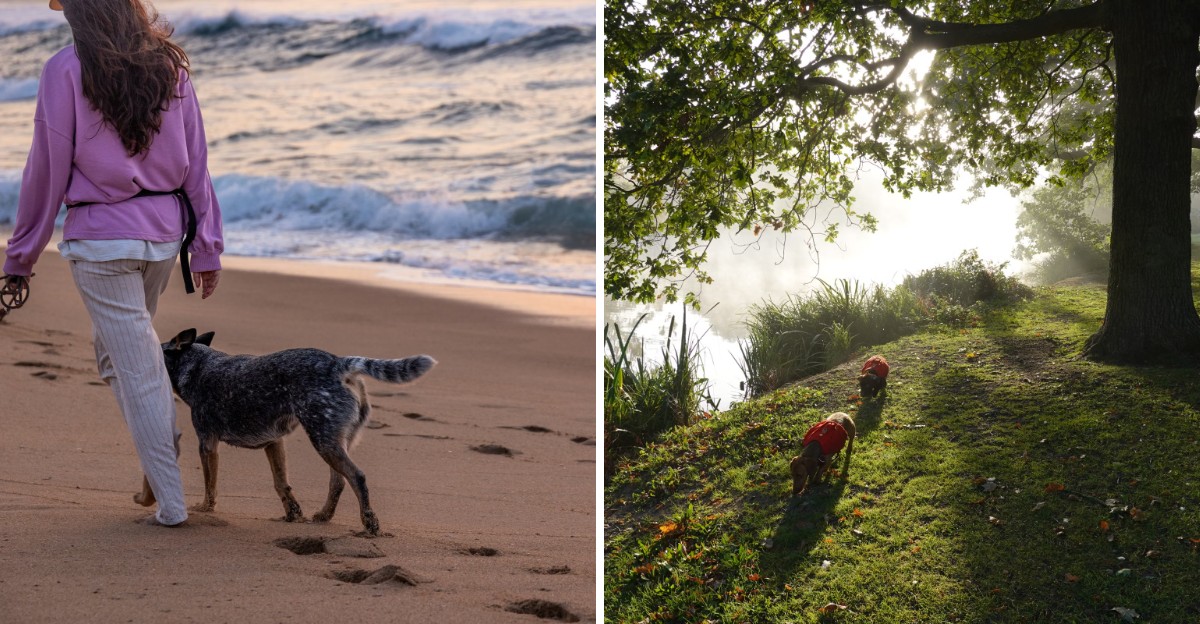
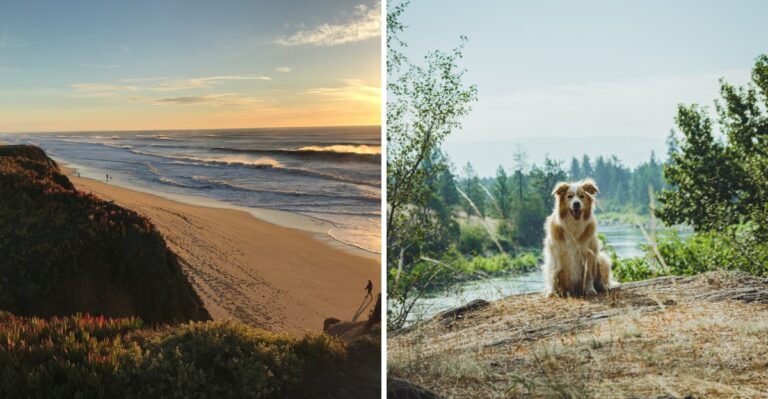
Your dog’s daily routine may need a few changes when California’s landscape changes. A foggy coastal morning feels different from a Central Valley afternoon or a sunny desert trail.
Walk times, water breaks, and even grooming habits should match local conditions, not just the calendar. With a few practical adjustments, you can help your dog stay comfortable wherever you call home.
1. Let Local Temperatures Set Walk Times
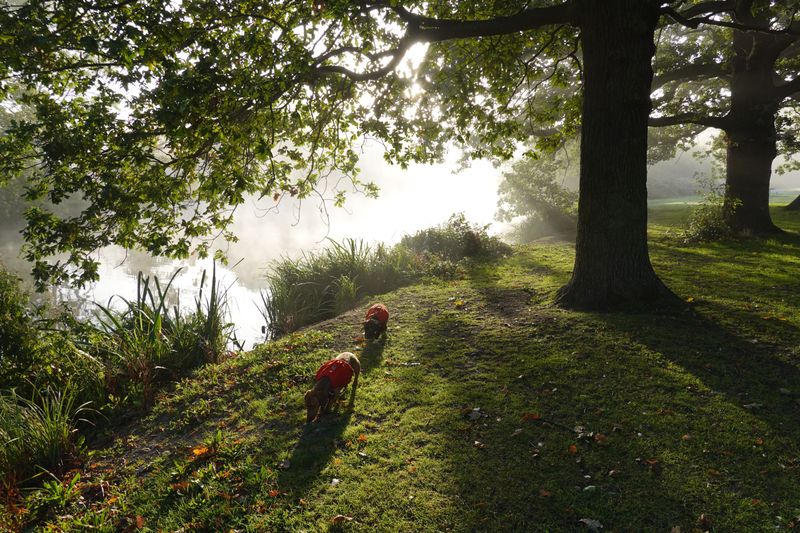
The clock tells only part of the story when planning your dog’s walk. Coastal mornings may stay cool, while Central Valley and desert temperatures can climb quickly after sunrise.
Check the hourly forecast before leaving, then adjust for sunshine, humidity, and your dog’s needs. Choose earlier outings during hot spells, but remember evenings can remain warm.
Shorten walks whenever your dog slows down, seeks shade, or pants harder than usual during an otherwise familiar outing.
2. Build a Cooler Summer Route
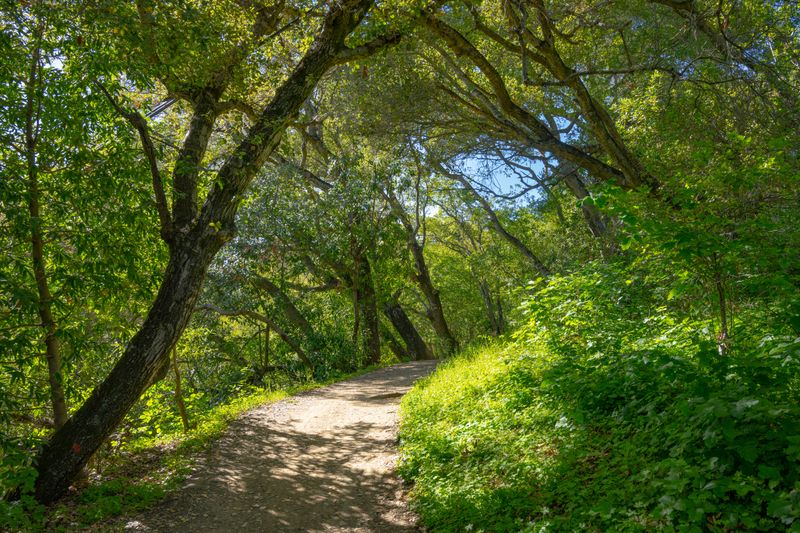
A shady block can make a bigger difference than another mile. Near the coast, breezy paths may feel pleasant, but exposed stretches still receive strong sunshine.
In the Central Valley, favor tree cover and nearby water refill stops. Desert routes need dependable shade and easy exits, not simply attractive views.
Walk the route without your dog first when possible. Keep a shorter backup loop ready for days when conditions change unexpectedly before you head outside.
3. Make Fresh Water Easy to Find
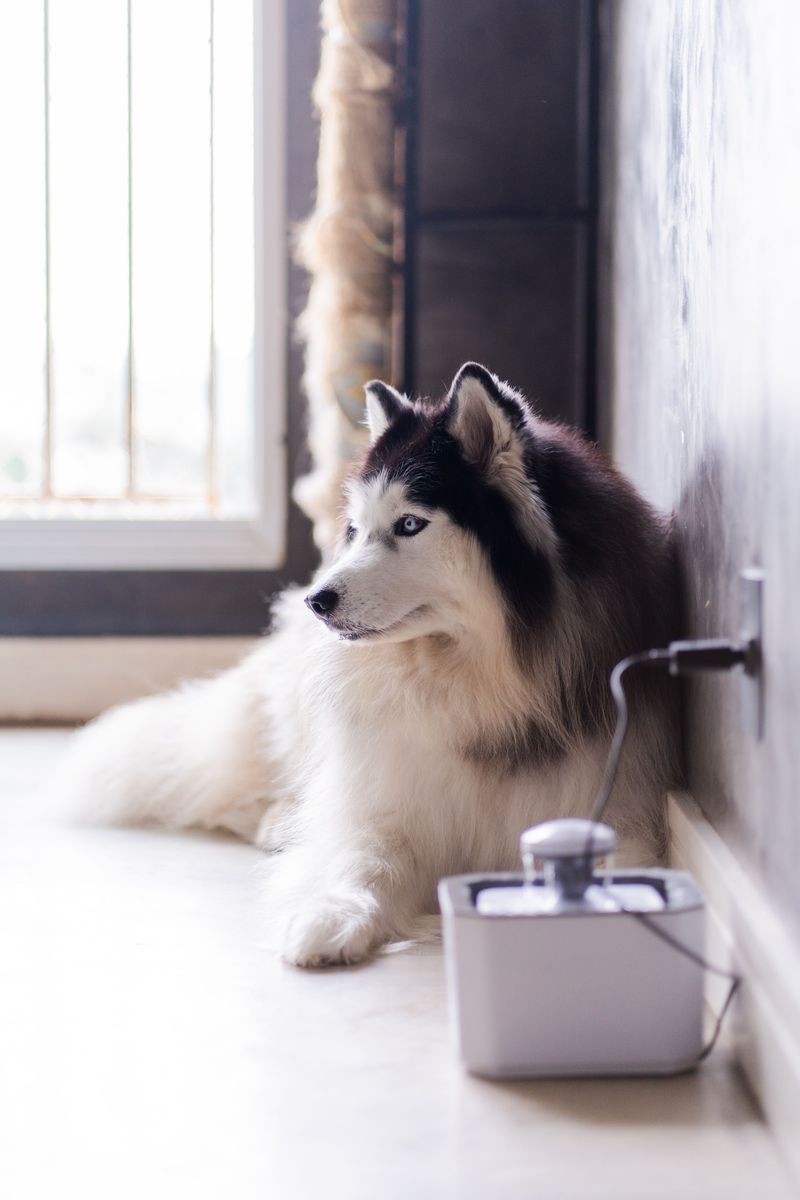
Water bowls deserve several stops on your daily checklist. Dry desert air and inland heat can increase water needs, even during ordinary activities around home.
Provide clean water indoors and in any supervised outdoor space. Refresh bowls often, wash them daily, and carry water on every outing.
Coastal dogs need the same access, despite cooler breezes. Ask your veterinarian about sudden changes in drinking, rather than assuming the weather explains everything you notice at home.
4. Trade Seasonal Fetch for Indoor Games
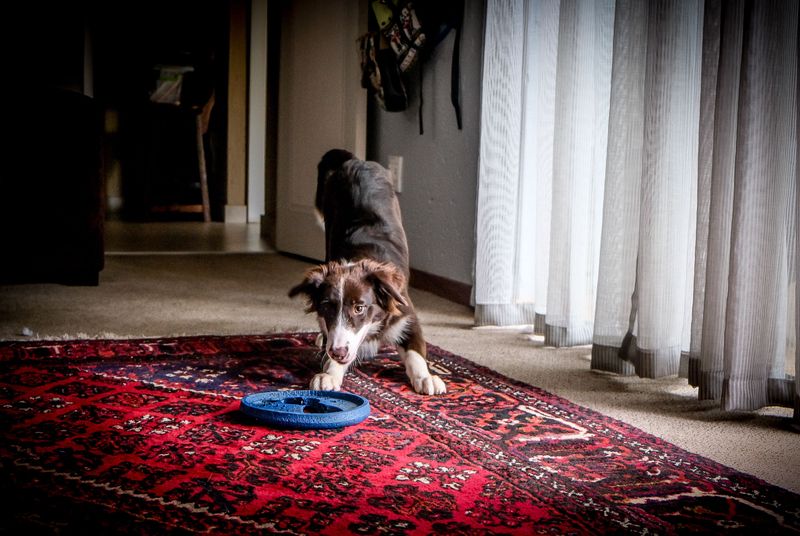
Fetch does not need the same schedule all year. Cool coastal days may allow longer outdoor games, while inland summers often call for shorter sessions.
Move play indoors during hot periods, using scent searches, simple training, or food puzzles. Keep floors clear and choose activities suited to your dog’s joints.
Desert winters can bring chilly mornings, so adjust again. Let comfort guide the game instead of trying to match yesterday’s exercise total on every outing.
5. Check Pavement, Sand, and Desert Ground
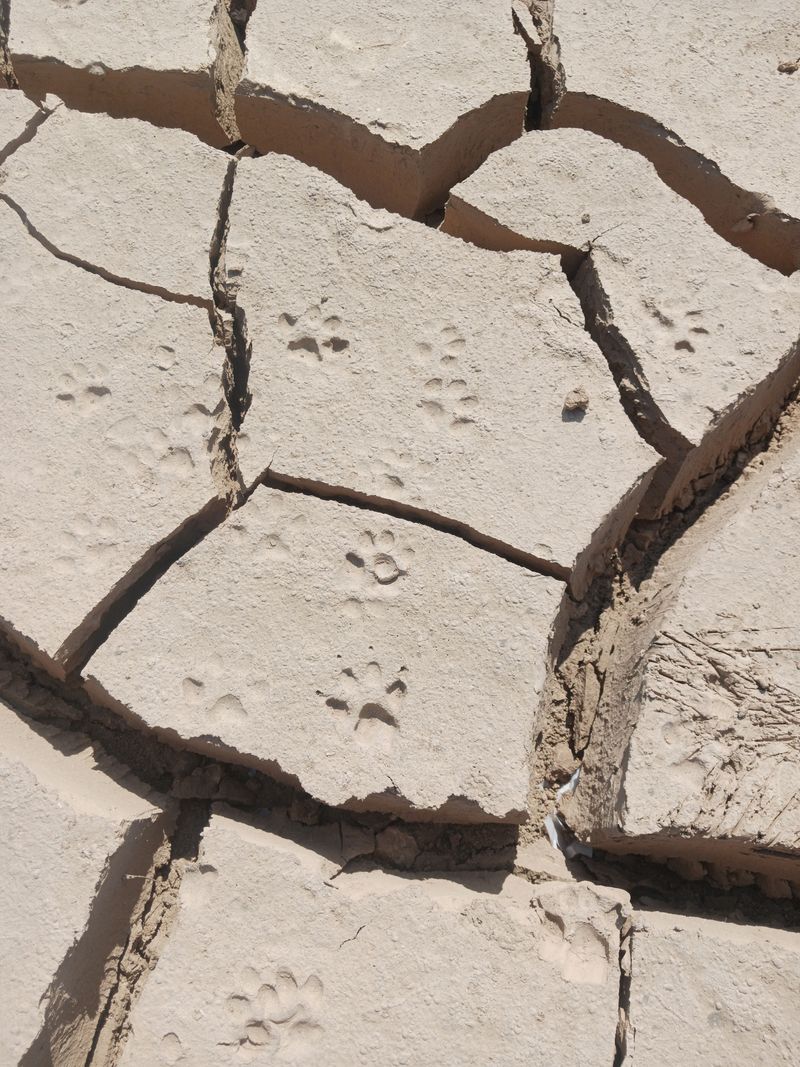
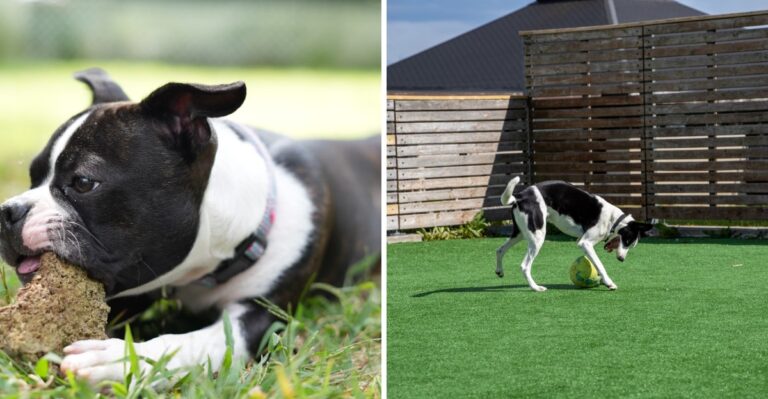
Your dog’s paws meet the ground long before your shoes notice trouble. Pavement, desert sand, and even artificial turf can become uncomfortable under strong sunshine.
Check surfaces before every walk, but do not treat a hand test as a safety guarantee. Choose cool ground and shorten exposure.
Properly fitted boots may help after gradual practice, though they cannot prevent overheating. Watch for limping or lifted paws, and inspect feet afterward for redness, irritation, or debris.
6. Give Beach Walks Their Own Rules
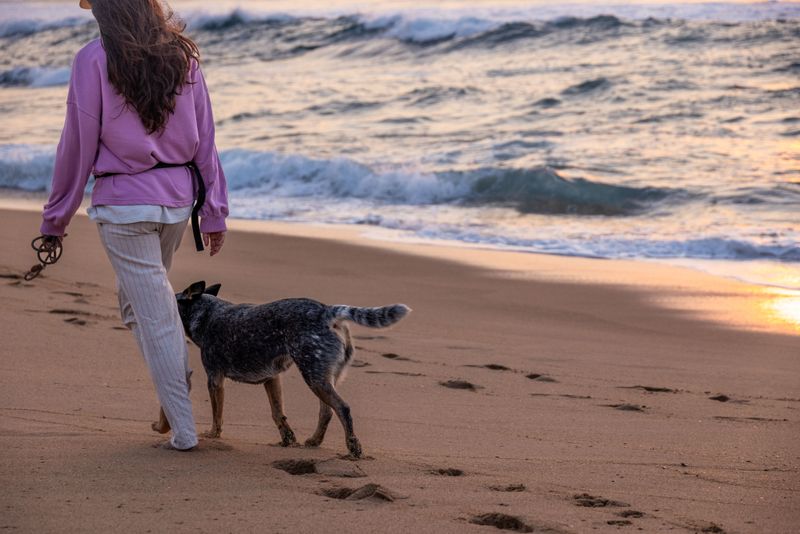
Salty air feels refreshing, but ocean water is not drinking water. Bring fresh water and discourage your dog from gulping seawater or chewing sandy toys.
Check local leash rules, beach access hours, surf conditions, and posted advisories before visiting. Keep away from rough waves and unstable cliffs.
Afterward, rinse salt and sand from the coat and paws. Contact your veterinarian if swallowed seawater causes vomiting, unusual thirst, weakness, or other concerning changes after your visit.
7. Keep Farm Country Walks on Public Paths
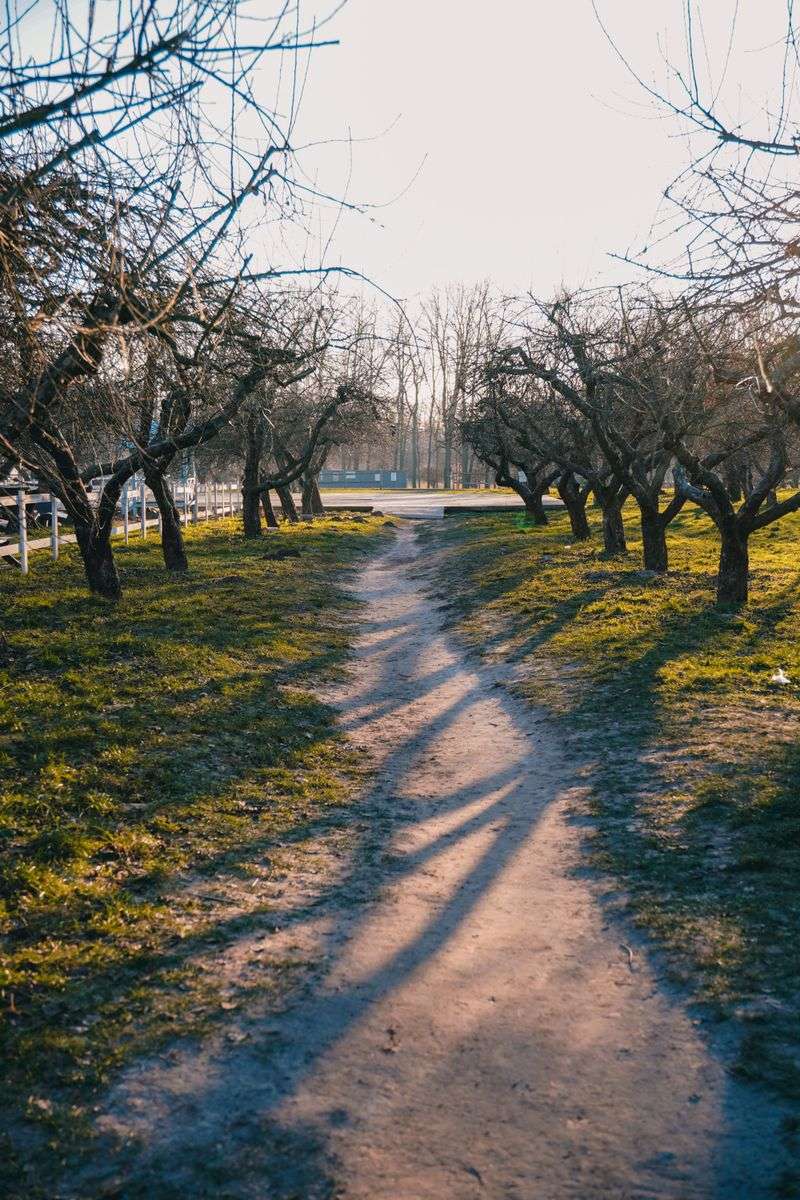
Orchards and fields can look like open invitations during a quiet walk. In the Central Valley, however, working farmland may contain equipment, irrigation channels, and recently treated areas.
Stay on permitted public routes and respect signs, fences, and property boundaries. Prevent drinking from canals or field runoff.
Avoid spray activity and ask local authorities about uncertain access. After walks near dry grasses, check ears, toes, and coats for foxtails that could work into skin later.
8. Add a Wildlife Scan to Desert Outings
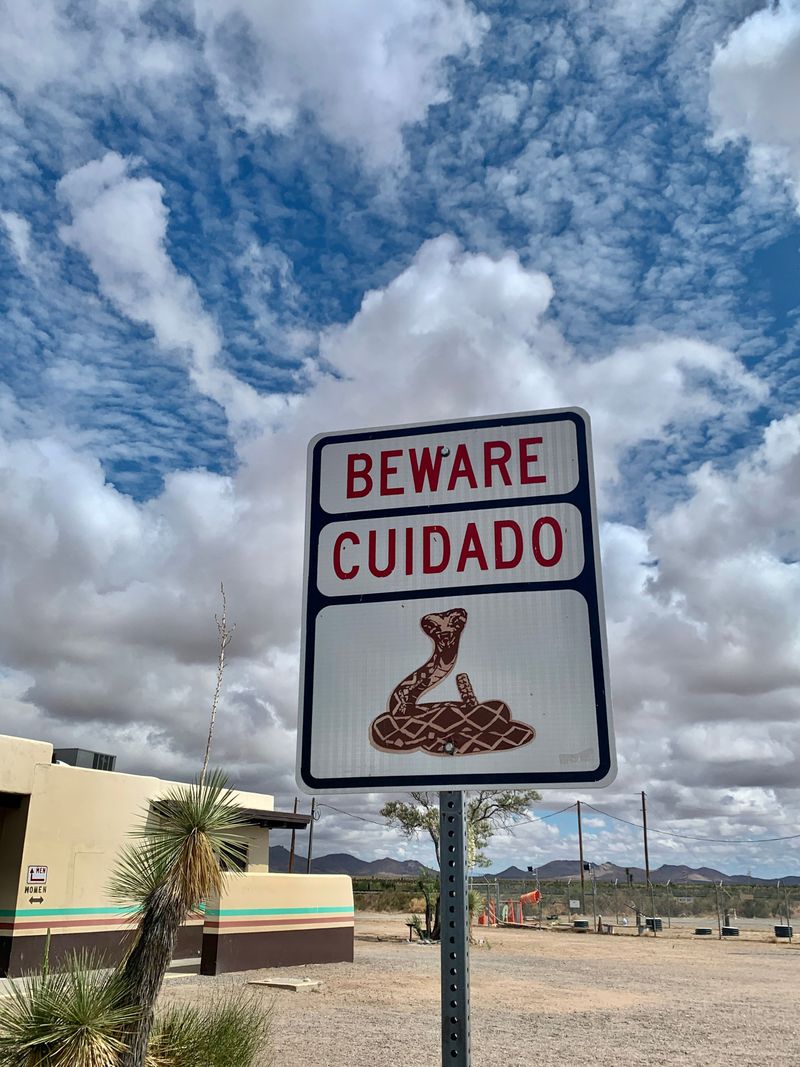
A little distance makes desert wildlife encounters easier to manage. Keep your dog leashed, scan the trail ahead, and avoid letting noses explore rock gaps or brush.
Rattlesnakes and coyotes occur beyond desert areas, so carry these habits across California. Never encourage an approach or let dogs chase wildlife.
If you suspect a snakebite, keep your dog calm and seek veterinary care immediately. Do not cut, suck, ice, or tightly wrap the suspected bite site.
9. Match Grooming to Moisture, Dust, and Coat
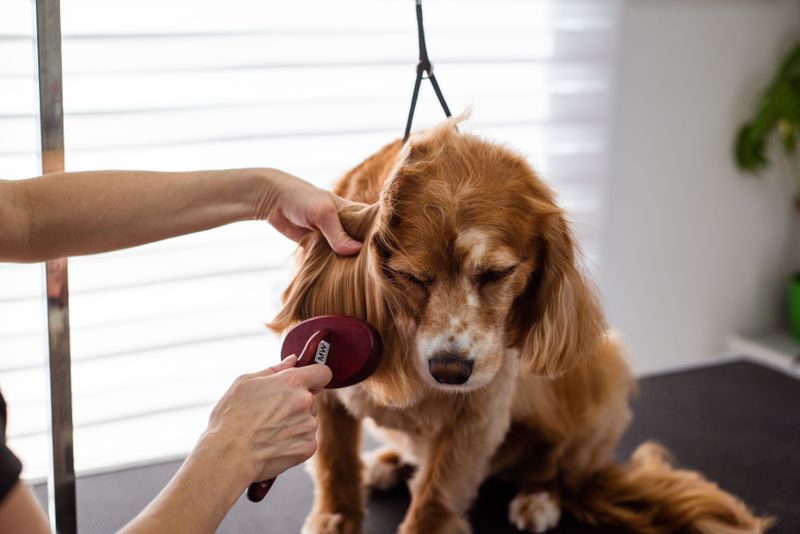
Coat care changes with the surroundings, not just the season. Coastal dampness may leave fur wet longer, while desert walks can bring home fine grit.
Brush regularly, dry damp areas, and check between toes after outings. Ask a groomer or veterinarian about your dog’s coat before choosing a summer haircut.
Shaving is not a universal cooling solution, especially for double coats. Use dog shampoo as directed, since frequent washing can irritate some dogs’ skin unnecessarily.
10. Make Dusty Days Easier on Sensitive Dogs
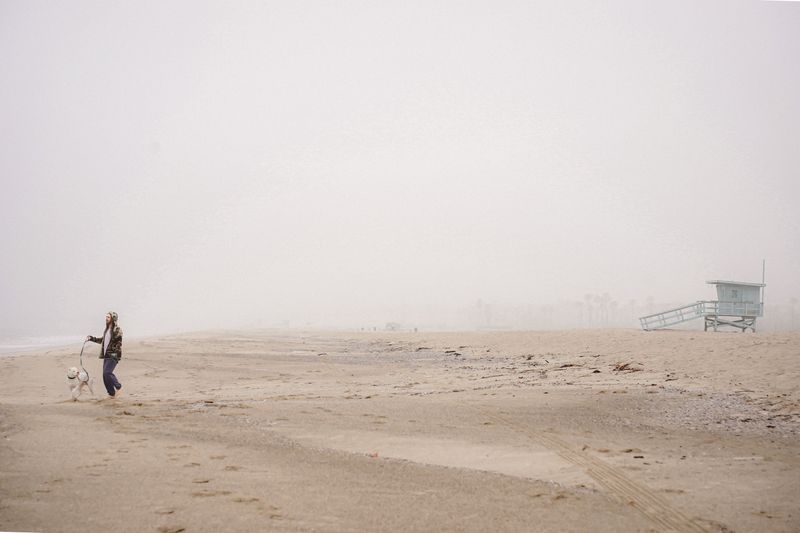
Wind can turn an ordinary inland afternoon into a dusty one. Check local air quality and keep outings brief when dust or pollution rises.
Wipe paws and coats with a damp cloth after walks, and wash bedding regularly. Coastal dogs may also react to pollen or indoor allergens.
Persistent itching, coughing, or eye irritation deserves veterinary advice. In areas with Valley fever, ask about soil dust exposure and symptoms that should prompt an appointment promptly.
11. Offer Shorter, More Flexible Potty Breaks
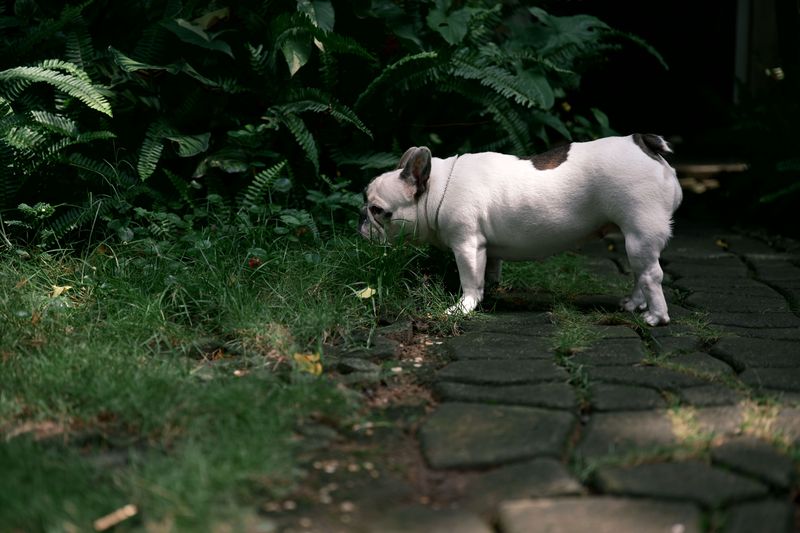
Bathroom needs do not disappear when the afternoon heats up. Instead of delaying every outing, create quick trips to a nearby shaded potty spot.
Coastal households may need fewer weather changes, while Valley and desert homes benefit from planning ahead. Offer breaks around your dog’s usual needs, especially for puppies and older dogs.
Return indoors promptly rather than adding exercise. Never restrict drinking water to reduce bathroom trips, and discuss new accidents with your veterinarian.
12. Prepare for Fog and Damp Coastal Mornings
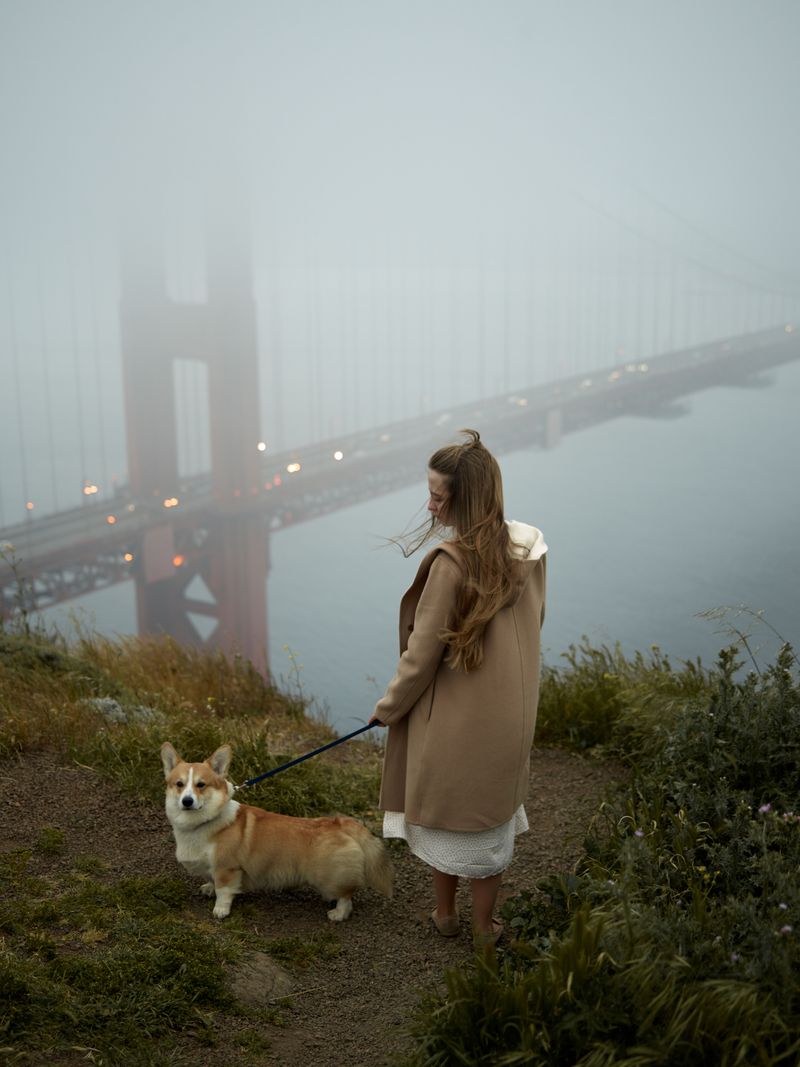
Fog can make a familiar coastal street feel surprisingly different. Use reflective gear and a light when visibility drops, even after sunrise.
Keep your dog close near driveways and crossings, where drivers may have trouble seeing you. Dry wet coats and paws when you return.
Small, thin-coated, or older dogs may appreciate a suitable jacket in chilly conditions. Inland visitors should pack for coastal coolness rather than assuming California always means warm walking weather everywhere.
13. Reduce Exercise During Central Valley Heat Waves
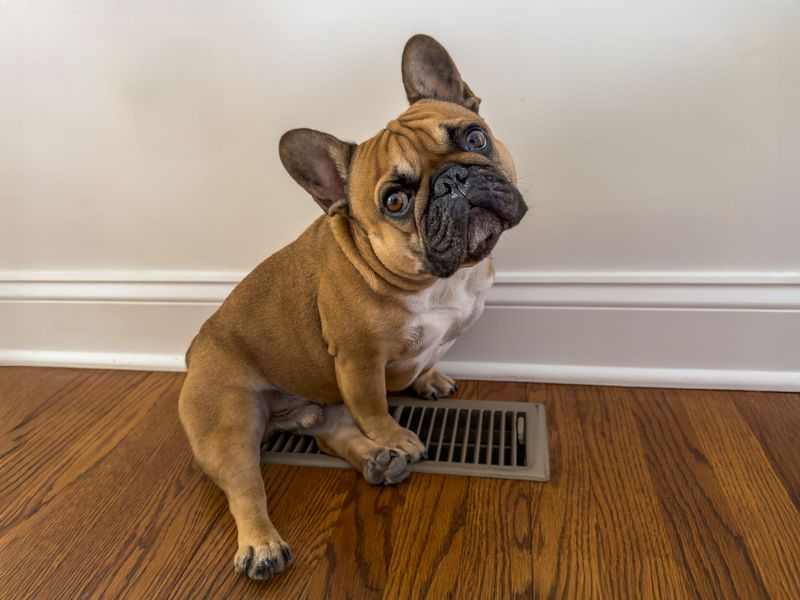
A heat wave calls for a smaller exercise goal, not greater determination. Central Valley nights may remain warm, limiting the relief that evening walks usually provide.
Check forecasts and heat alerts, then replace strenuous activity with brief outings and indoor enrichment. Give older, overweight, and flat-faced dogs extra caution.
Heavy panting, drooling, weakness, or confusion means stop immediately. Move into cooling, begin wetting with cool water, and contact a veterinarian right away for further guidance.
14. Keep Parasite Prevention on the Calendar
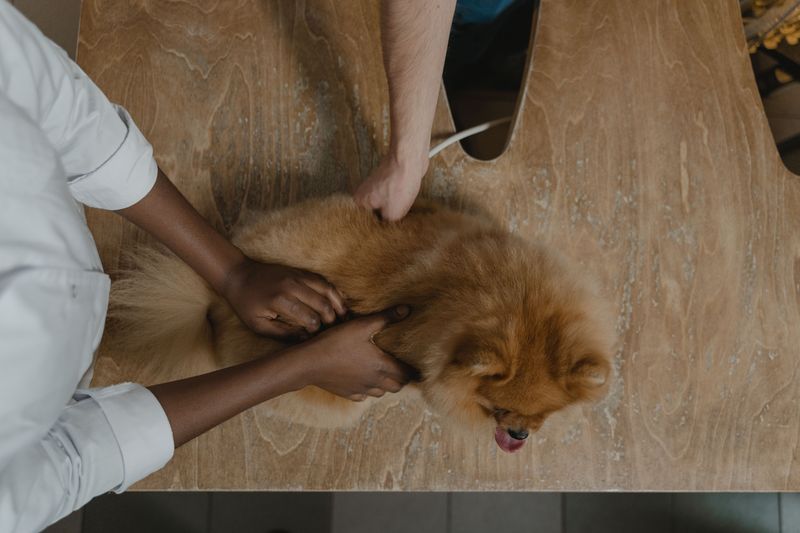
Cool fog and dry sunshine do not create parasite-free zones. Flea and tick exposure varies with habitat, wildlife, travel, and conditions around your home.
Ask your veterinarian which preventive products and schedule suit your dog and destinations. Do not stop protection simply because you move inland or temperatures fall.
Check the coat after grassy walks, including ears and between toes. Use only products labeled for your pet, and never guess doses or combine treatments yourself.
15. Plan Car Trips Around Your Dog’s Changing Needs
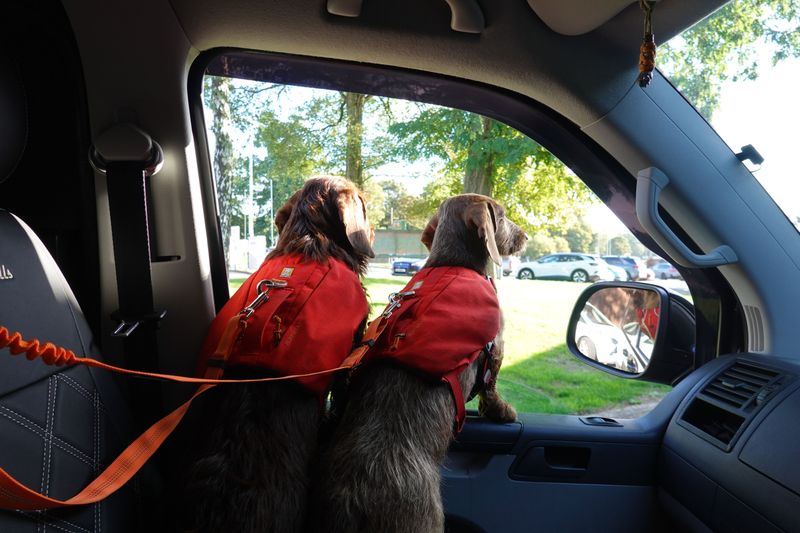
The drive between California regions can change your dog’s needs within hours. Cool the vehicle before loading, secure your dog, and carry water.
Never leave your dog alone in a parked car, even near a breezy beach. Plan stops where dogs can join you.
Reassess routines after travel, illness, aging, or unusual fatigue, and ask your veterinarian about changes. Watch your dog, check conditions, and adjust early.
Small changes make everyday adventures more comfortable together.