What Arizona Dog Owners Should Know Before Crossing The Mexico Border With A Dog
A quick trip to Nogales or Rocky Point feels even better with your dog riding along. Border rules for pets have changed, though, and the paperwork now matters more than ever.
Think of this guide as a friend walking you through each step before you pack the leash. With a little planning, you and your pup can cross with confidence and come home smoothly.
1. Start With the Latest Rules
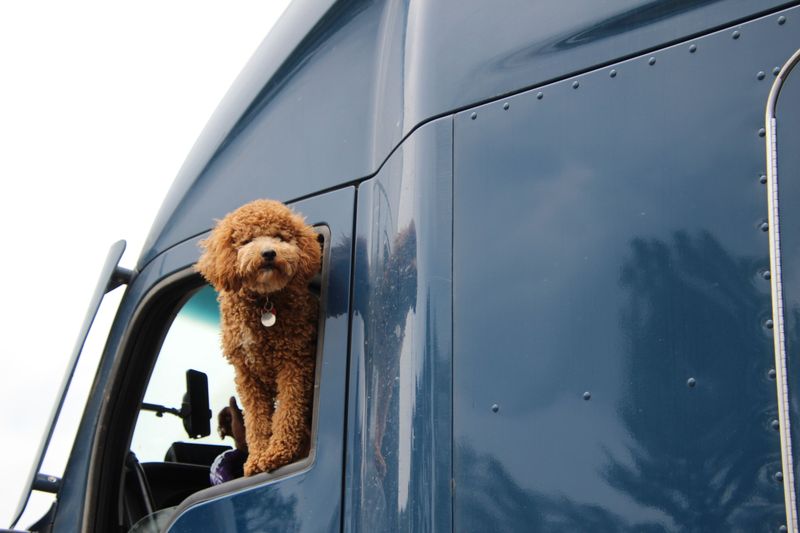
Pet travel rules near the border can shift quickly. What worked for a neighbor last spring may not work today.
Before every trip, check the official websites for USDA APHIS, the CDC, and SENASICA in Mexico. Look at the dates on each page so you know the information is current.
A ten-minute check at home can save hours at the crossing. If anything seems unclear, call your veterinarian or the port of entry and ask directly.
2. Get the Screwworm Inspection Certificate
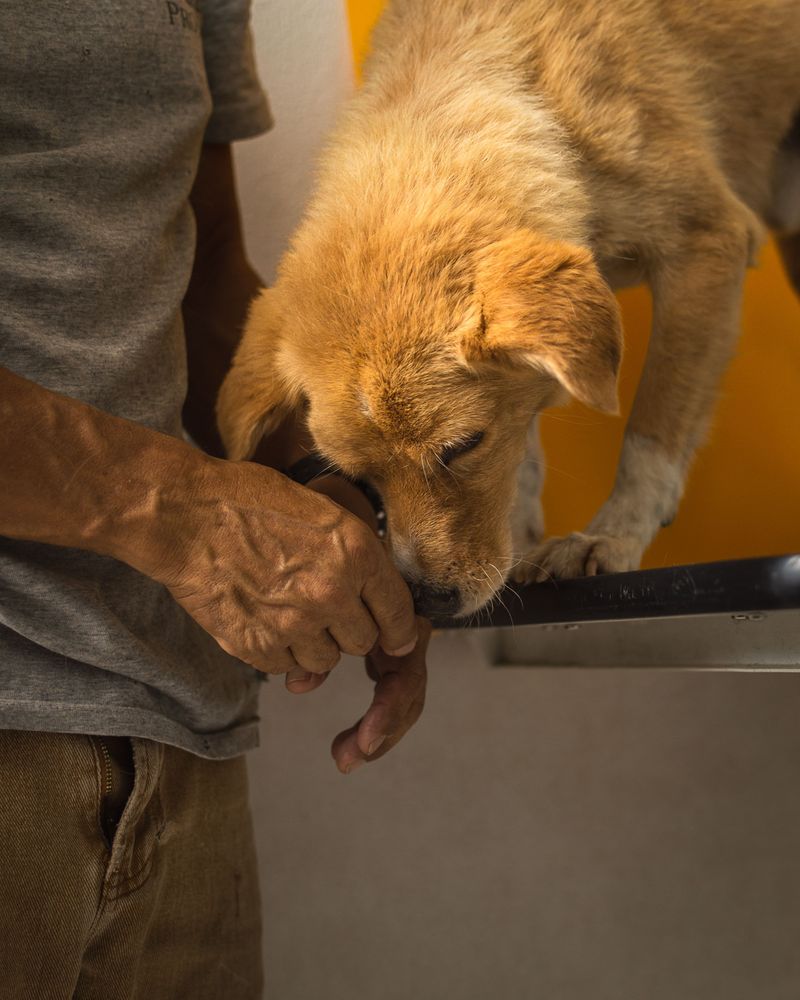
Starting August 3, 2026, dogs entering Mexico from the U.S. need a New World screwworm inspection certificate. Screwworms are fly larvae that can infest wounds on animals.
The certificate shows your dog was checked and found free of these pests. Without it, your dog may not be cleared to enter.
Keep the original form with your passport so it never gets left behind on the kitchen counter.
3. Stop at the SENASICA Inspection Office
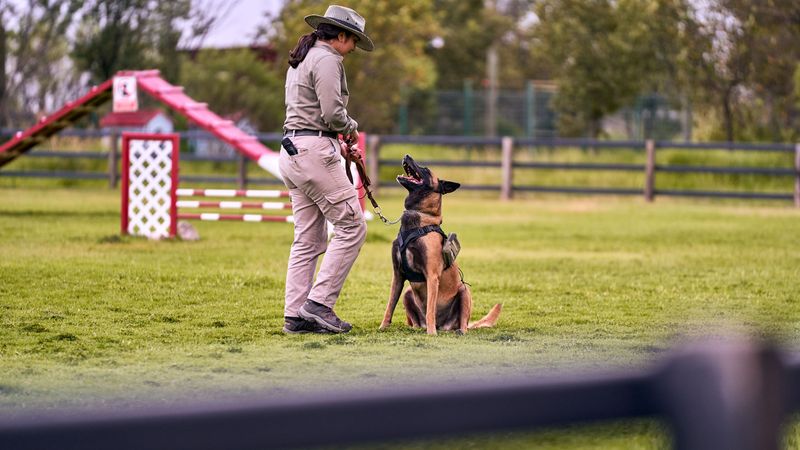
Once you cross into Mexico, head to the Animal and Plant Health Inspection Office, called OISA. That is where SENASICA officials work.
SENASICA is Mexico’s national agency for food and animal health. Its staff will look over your paperwork and give your dog a physical check.
Stay patient and friendly during the visit. Officers handle many travelers daily, and a calm owner usually helps a nervous pup settle down too.
4. Receive Your Import Clearance
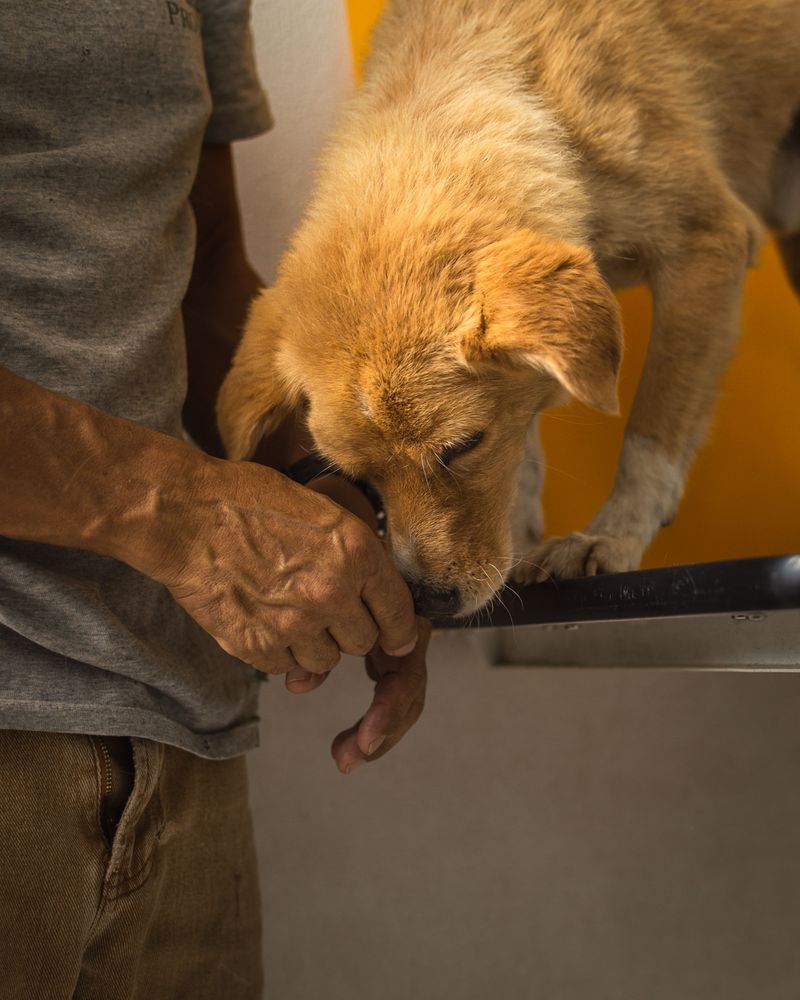
After the inspection, SENASICA issues an animal import clearance if everything checks out. This document is your dog’s official green light into Mexico.
Hold onto it for the whole trip. Hotels, rental homes, or other officials might ask to see proof your pet entered properly.
Some travelers snap a photo of every document right away. That simple habit gives you a backup if paper copies get wet, wrinkled, or misplaced.
5. No USDA Endorsement Needed for This Form
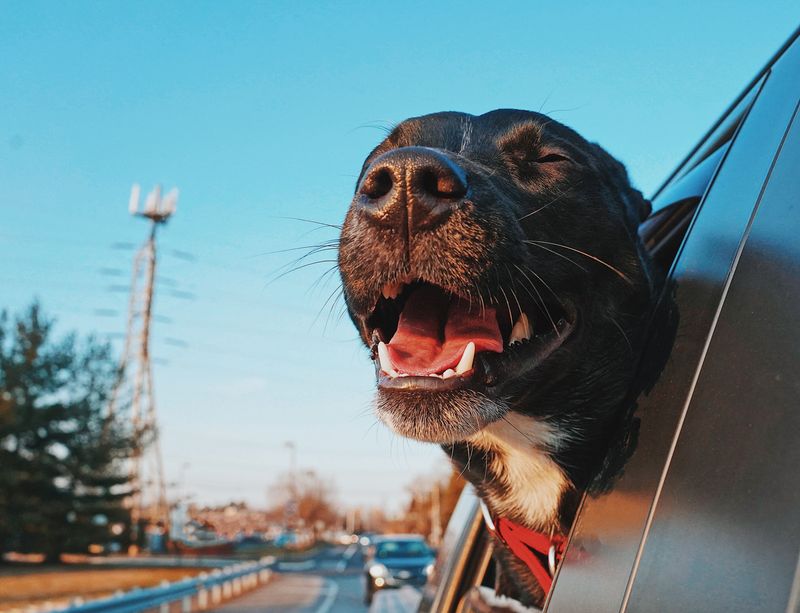
Good news for busy travelers: this particular screwworm certificate does not need an endorsement from USDA APHIS.
Many international pet documents require that extra federal stamp, which can take days. For this form, the accredited vet’s signature is enough for Mexico.
Still, double-check that the form is filled out completely and signed. A missing date or signature could cause trouble at the border, even without the endorsement step.
6. Watch for Signs of Contagious Illness
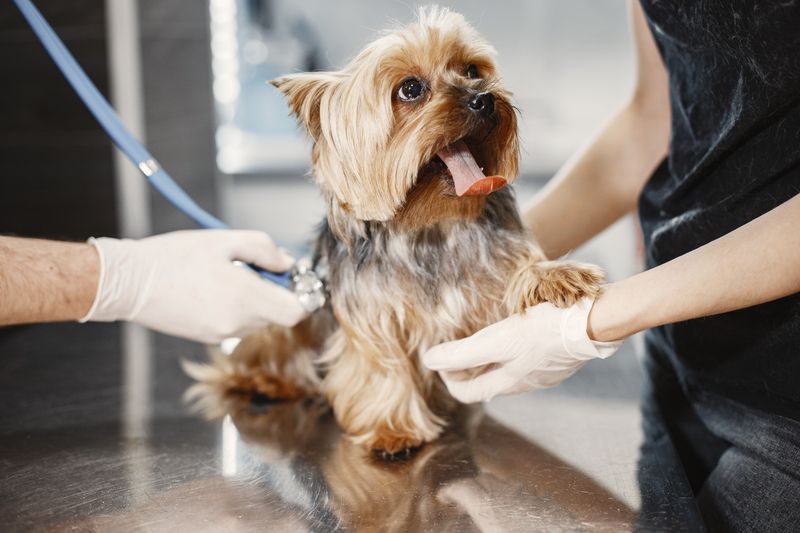
Picture a sneezy, droopy pup at the inspection counter. Officials may not allow that dog in.
SENASICA checks that your dog looks clinically healthy, with no signs of infectious disease. Coughing, runny eyes, vomiting, or diarrhea can raise concerns.
If your dog seems unwell before the trip, visit your vet first. Postponing a fun outing is far easier than handling a held pet at the border.
7. Book an Accredited Vet Within Five Days
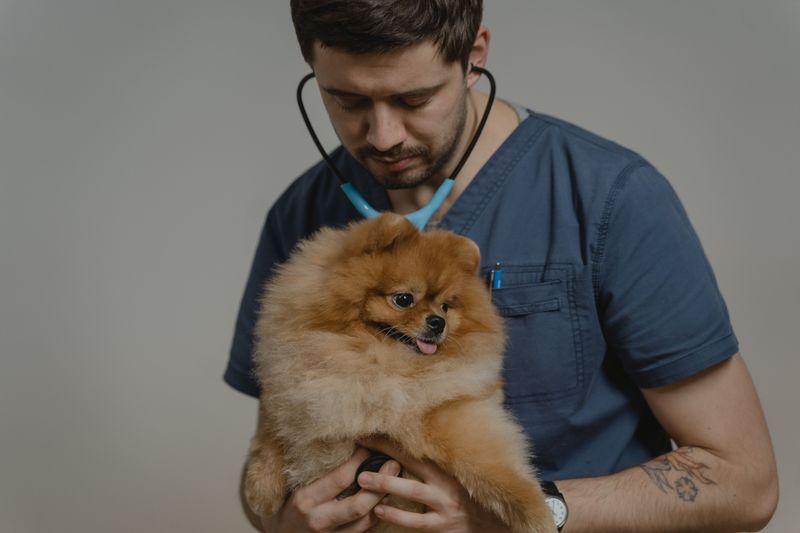
Timing is everything here. The screwworm exam and certificate must be completed within five days before your dog arrives in Mexico.
Only a USDA-accredited veterinarian can sign this form. Not every clinic has that accreditation, so ask when you call to schedule.
Many Arizona clinics fill up fast, especially before holidays. Book early, then mark your travel date on the calendar so the five-day window stays clear in your mind.
8. Clear Away Fleas and Ticks
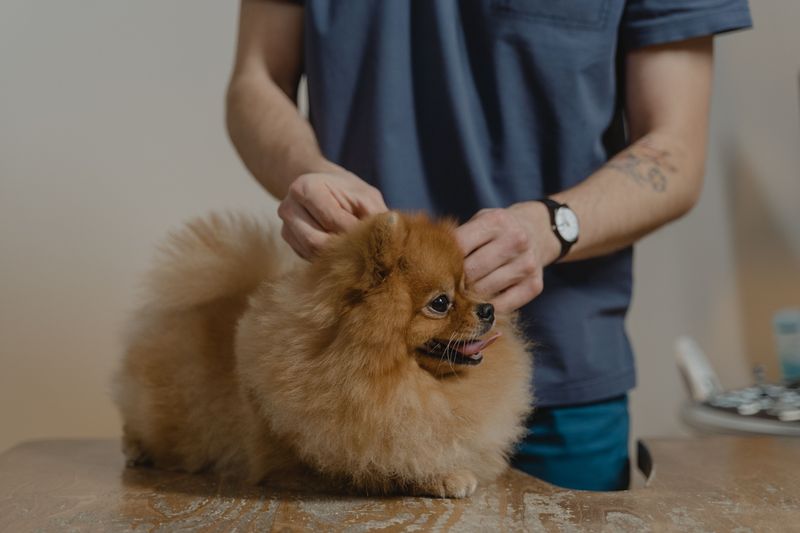
Arizona’s warm weather keeps fleas and ticks busy for much of the year. Mexican inspectors pay close attention to them.
Your dog must be free of external parasites, including fleas, ticks, and fly larvae. Ask your vet about a reliable preventive product well ahead of your trip.
The night before leaving, run a fine comb through the coat. Check ears, armpits, and between toes, where tiny hitchhikers love to hide.
9. Look Closely for Wounds
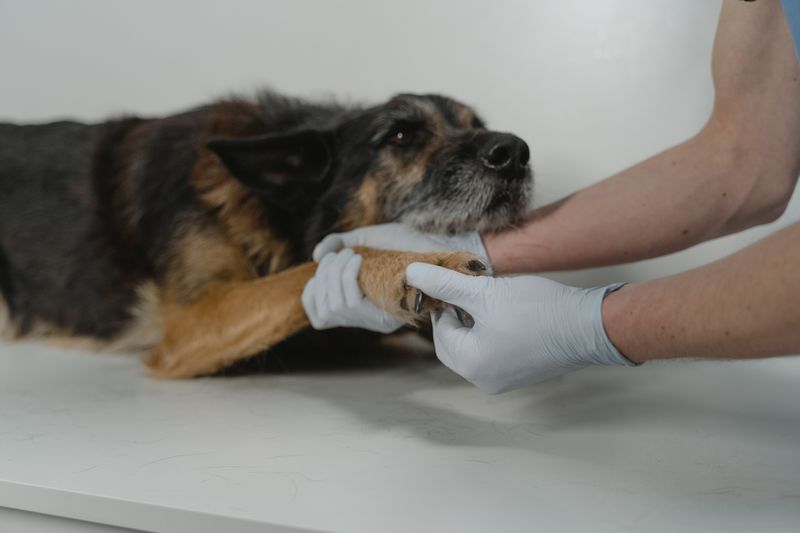
A small scrape from a desert hike might seem harmless. For border inspectors, though, it matters a lot.
Screwworm flies lay eggs in open sores, so dogs with fresh or healing wounds can face extra scrutiny. Run your hands over your dog’s body and check paws carefully.
If you find a cut, ask your vet whether travel should wait. Letting it heal fully first keeps everyone safer and calmer.
10. Plan for Delays and Extra Costs
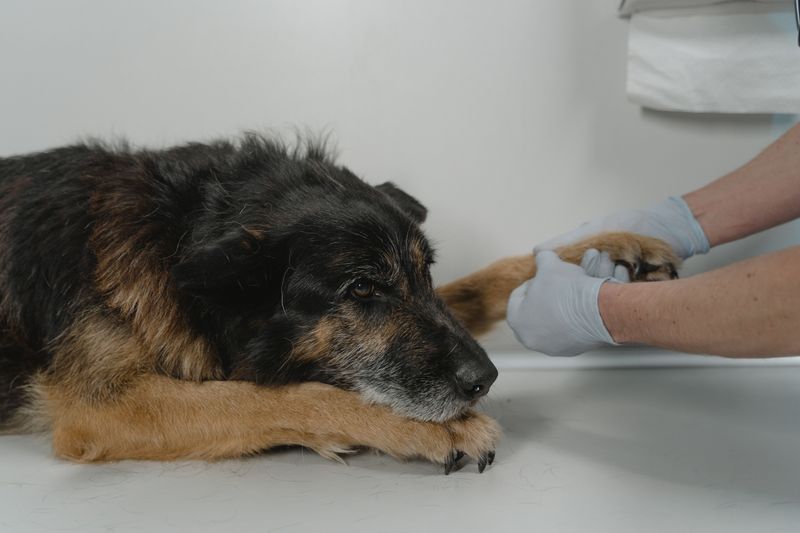
Even prepared travelers sometimes hit a bump. If officials find parasites, you may need to visit a local veterinarian for treatment.
Your pet could also be held at the inspection office until the issue is resolved. Any treatment or extended stay costs are your responsibility.
Build extra time into your schedule and set aside a little cash. Having a backup plan turns a stressful moment into a manageable pause.
11. Pack a Clean, Empty Carrier
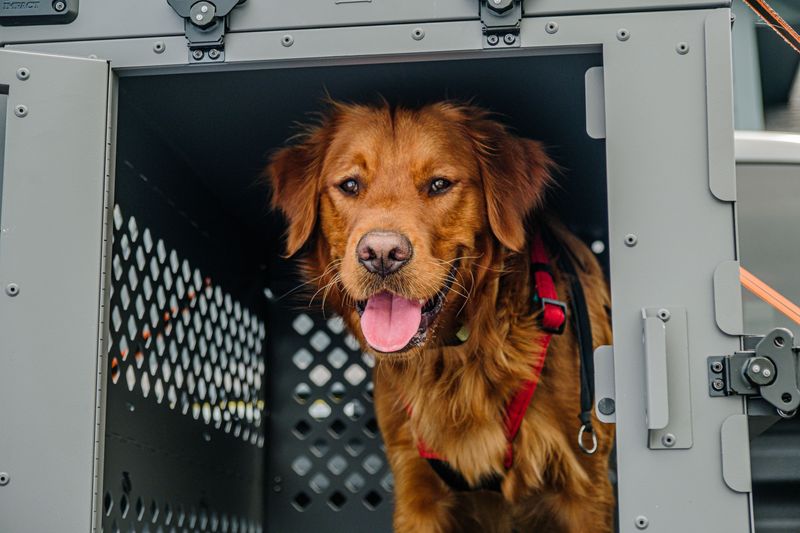
Surprisingly, your dog’s favorite blanket may need to stay home. Mexico requires carriers to arrive clean.
Bedding, blankets, straw, wood shavings, newspapers, rags, toys, and treats may be taken and destroyed. Officials might also spray the carrier as a preventive step.
Collars and leashes are allowed, so your dog won’t feel completely bare. Wash the crate before you leave and save the comfy extras for later.
12. Bring Just One Day of Food
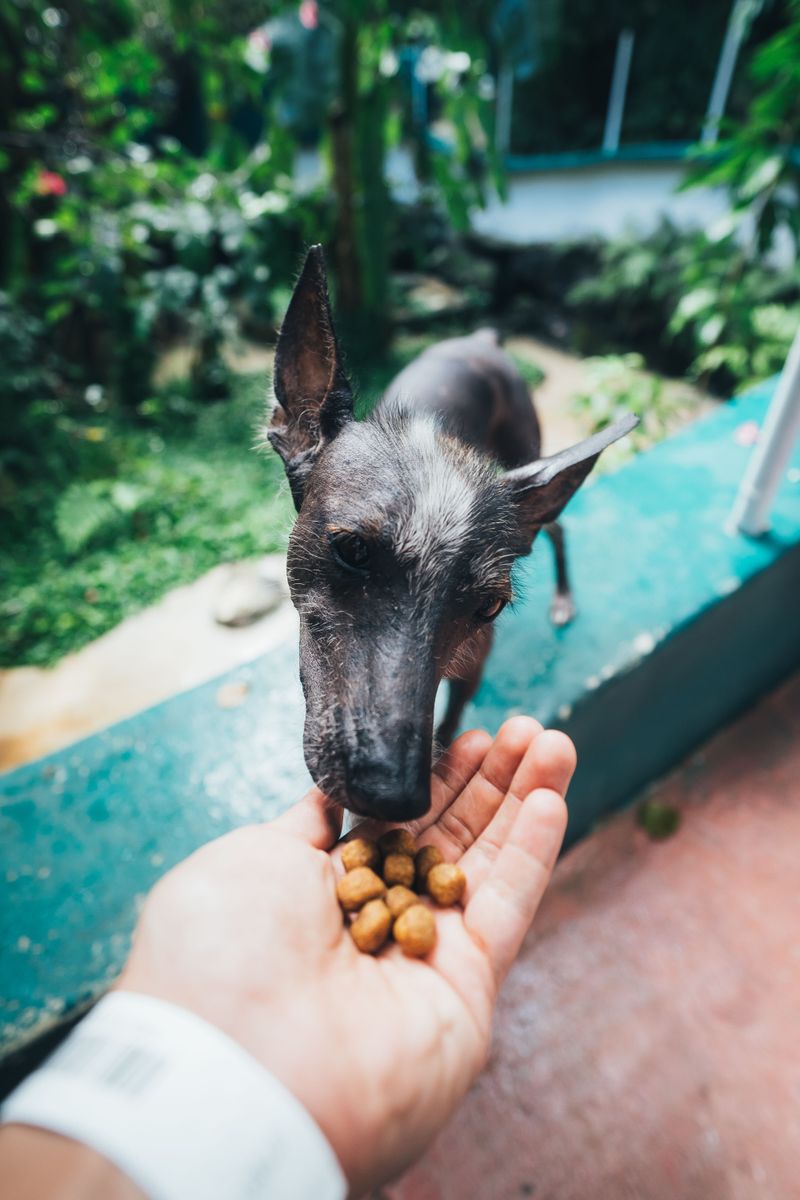
Think of it as a lunchbox, not a pantry. Generally, travelers may bring only enough balanced pet food for the day of arrival.
Some reports mention a sealed bag allowance, but rules can vary by port. Foods containing beef, pork, lamb, or goat may face restrictions.
Poultry or fish-based food is often a smoother choice. Pet stores across Mexico stock familiar brands, so restocking there is usually easy.
13. Know What Mexico Usually Skips
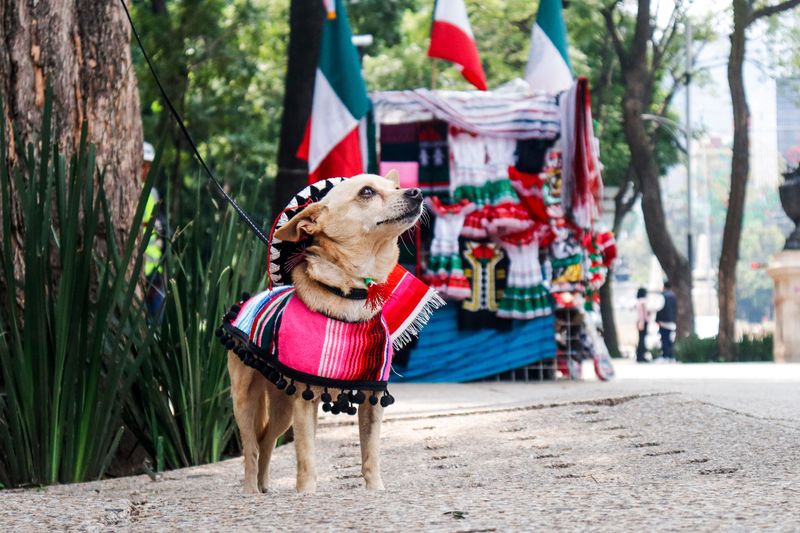
Here’s a pleasant surprise. Mexico generally does not require a separate health certificate or rabies certificate for pet dogs from the U.S.
The screwworm certificate already confirms your dog is free of parasites and wounds. Still, carrying vaccination records is a smart move.
Airlines and some lodging may have their own rules. A tidy folder with rabies records gives you quick answers if anyone asks along the way.
14. Line Up a Return Certificate
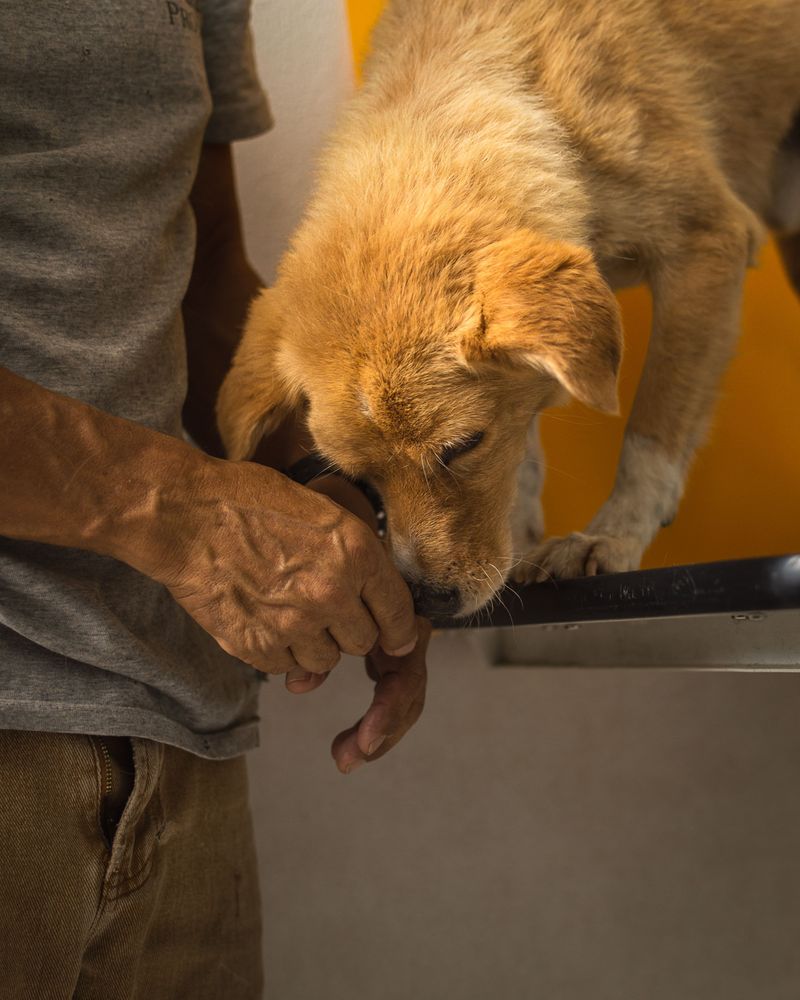
Heading home brings its own paperwork. USDA APHIS requires a screwworm freedom certificate for dogs returning to the U.S. from Mexico.
This document is separate from the one you used to enter Mexico. Your original U.S. certificate will not cover the return trip.
Plan for it during your vacation, not on the final morning. Knowing this ahead of time keeps your drive back to Arizona relaxed.
15. Find an Authorized Mexican Vet
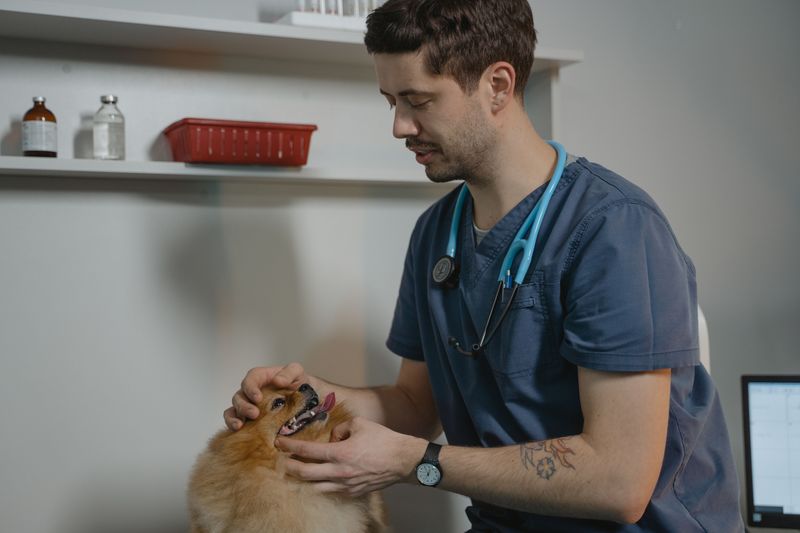
Not every clinic in Mexico can help with this step. Only authorized Mexican veterinarians may issue the screwworm freedom certificate.
The exam must happen within five days of your return to the U.S. Ask the clinic directly whether they are authorized before booking.
Local hosts or expat groups often know which vets handle travel paperwork. A quick question can point you to the right office fast.
16. Fill Out the CDC Dog Import Form
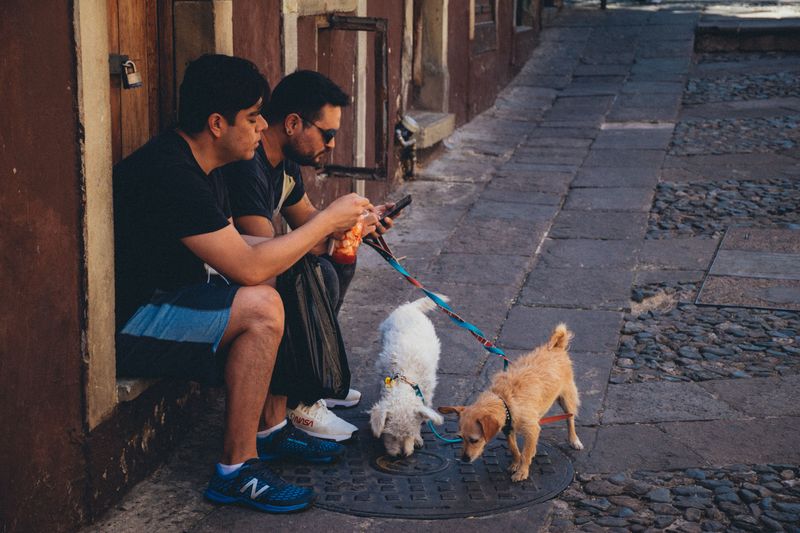
Every dog entering the U.S. needs a CDC Dog Import Form receipt. Yes, that includes dogs born and raised in Arizona.
The form is completed online and is usually quick. If you travel with two dogs, you need two separate forms and two receipts.
Gather your dog’s microchip number and a clear photo before starting. Having details ready makes the process smooth and stress-free.
17. Keep That Receipt Handy

Border lanes move steadily, and nobody enjoys digging through a bag. Keep your CDC receipt where you can reach it fast.
A printed copy or a digital version on your phone both work. Many travelers carry both, just in case a battery runs low.
Save a screenshot in a favorites folder. When the officer asks, you will have it ready in seconds.
18. Puppies Need to Wait
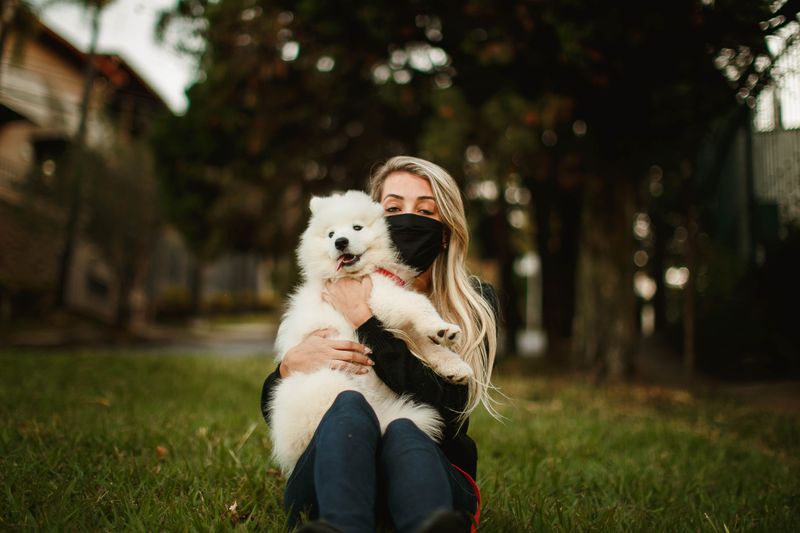
That fluffy new puppy may have to sit this trip out. Since August 1, 2024, dogs entering the U.S. must be at least six months old.
The rule applies even if your puppy was born in Arizona. A young dog could be refused re-entry.
Arrange a trusted sitter or boarding while your puppy grows up. Future adventures will feel even sweeter once they qualify.
19. Confirm the Microchip Works
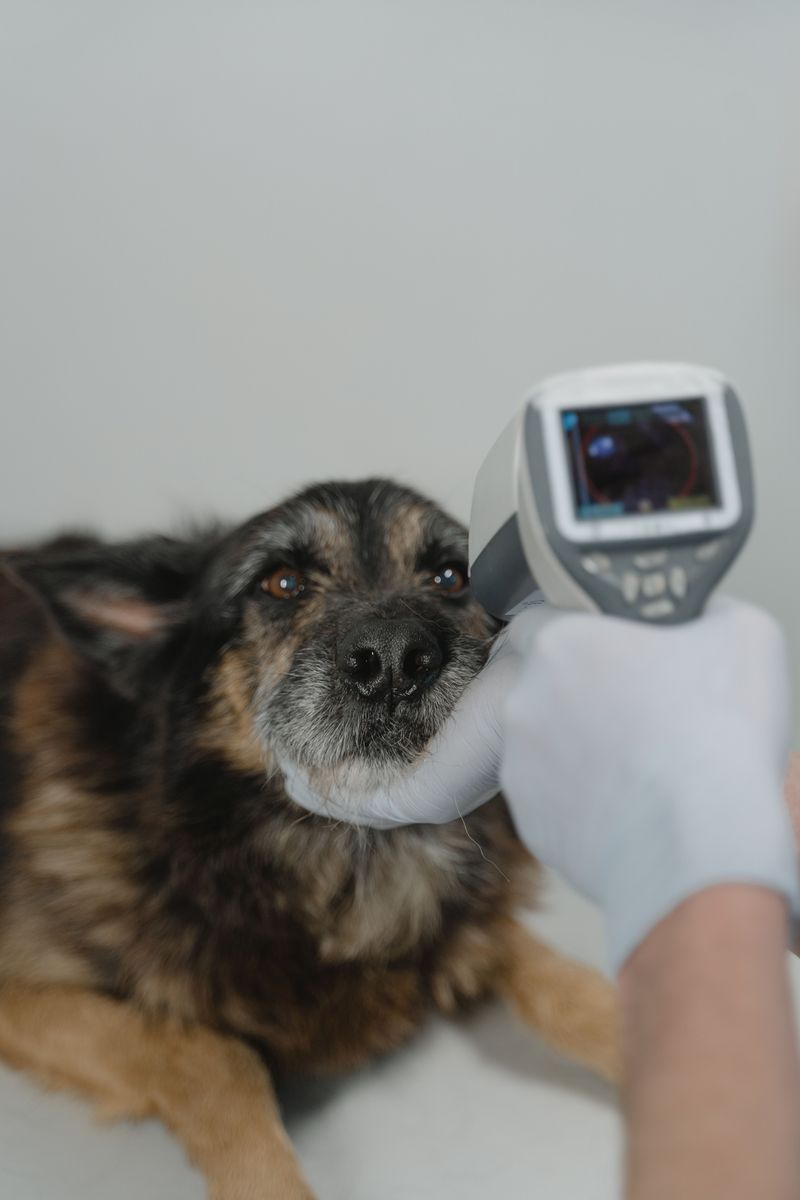
A tiny chip carries big importance. Dogs returning to the U.S. need an ISO-compatible microchip that standard scanners can read.
The chip should have been implanted before any required rabies vaccination. Ask your vet to scan it before you leave.
Your dog must also look healthy when arriving. A quick vet check plus a working chip helps the border visit go smoothly.
20. Reuse Receipts for Repeat Trips

Love weekend trips south? Since Mexico is low-risk for dog rabies, your CDC receipt can cover multiple entries for six months.
That applies when your dog has only visited low-risk countries during that time. U.S.-vaccinated dogs may use land crossings like Nogales or San Luis.
Match your port of entry to the receipt and check Arizona rules. Then enjoy the road home, knowing you prepared well.